
Creative Ways to Use Hot Sauce in Marinades
Table of Contents
- Hot Sauce Marinades: Building Flavor Beyond Heat
- Hot Sauce Marinade for Chicken: Fresh and Bold Applications
- Marinade with Hot Sauce and Honey: Sweet and Spicy Balance
- How Long to Marinate Chicken in Hot Sauce
- Hot Sauce Marinades for Beef, Seafood, and Vegetables
- Balancing Heat Levels and Flavor Combinations
- Food Safety and Marinade Reuse
- Finishing and Glazing with Hot Sauce
- Frequently Asked Questions
Last Updated: October 5, 2026
Hot Sauce Marinades: Building Flavor Beyond Heat
Hot sauce marinades layer flavor, tenderize meat, and create complexity that a simple condiment drizzle cannot achieve. Exploring creative ways to use hot sauce in marinades starts with understanding how to balance heat, acid, fat, and aromatics. The difference between good grilled chicken and exceptional chicken often comes down to what it soaked in before cooking.

Creative ways to use hot sauce in marinades start with understanding that heat and flavor are separate things. A quality hot sauce brings both, but how you combine it with other ingredients determines whether you get a one-note burn or a balanced, memorable dish.
The foundation of any hot sauce marinade is balance: acid to tenderize and brighten, fat to carry flavor, aromatic depth from garlic and herbs, and salt to season the protein. Add hot sauce as a layer that works alongside everything else, not as the dominant voice.
Hot Sauce Marinade for Chicken: Fresh and Bold Applications
Chicken is the most forgiving protein for marinade experimentation. Its mild flavor accepts bold additions, and its texture benefits from the tenderizing action of acid.
Grilled Chicken Wings and Breasts
Wings and breasts require different approaches. Breasts are lean and benefit from longer marinating times and higher fat ratios to stay moist. Wings have more surface area and natural fat, so they pick up flavor faster.
For wings, combine hot sauce with soy sauce, honey or maple syrup, minced garlic, and fresh lime juice. The soy adds umami depth, the sweetener balances heat, and the lime provides brightness.

Breasts benefit from a different ratio: one part hot sauce, one part lime or vinegar, one part olive oil, plus aromatics. This keeps the breast moist while delivering flavor.
Marinating Times by Cut
Timing matters. Too short and the marinade sits on the surface. Too long and the acid can break down the protein's texture.
For chicken wings, 2 to 4 hours is ideal. Overnight risks over-marinating.
Chicken breasts need 4 to 8 hours minimum. Their lean structure takes longer to absorb marinades. If marinating overnight, reduce the acid slightly to protect texture.
Thighs: 3 to 6 hours works well. Their higher fat content makes them forgiving with timing.
Marinade with Hot Sauce and Honey: Sweet and Spicy Balance
Honey and hot sauce are a natural pairing. Honey brings floral sweetness and viscosity; hot sauce brings heat and complexity. Together, they create a glaze that caramelizes beautifully on the grill.

The key is proportion. Use honey to complement the hot sauce, not overpower it. A ratio of three parts hot sauce to one part honey works well. If your marinade tastes more like sweetness with a kick at the end, you've used too much honey.
This combination works especially well with chicken wings because the higher cooking temperature allows the honey to caramelize without burning. It also pairs beautifully with grilled vegetables.
For a honey-forward marinade, add lime juice for acid, garlic for depth, and a pinch of salt. Let the hot sauce and honey be the stars, but give them supporting players that make them shine.
How Long to Marinate Chicken in Hot Sauce
The answer depends on the cut. Thin cuts like wings need 2 to 4 hours. Thicker cuts like whole breasts or bone-in thighs need 4 to 8 hours. Most flavor absorption happens in the first 6 to 8 hours.
A marinade at room temperature works faster, but safety guidelines recommend keeping chicken cold. If short on time, marinate at room temperature for 1 to 2 hours, then refrigerate.
Reserve a small amount of marinade before adding raw chicken. This fresh sauce can be brushed on during the last few minutes of cooking or drizzled over the finished dish without additional cooking.
| Cut | Minimum Time | Ideal Time | Maximum Time |
|---|---|---|---|
| Wings | 2 hours | 3-4 hours | 8 hours |
| Breasts | 4 hours | 6-8 hours | 12 hours |
| Thighs | 3 hours | 5-6 hours | 12 hours |
| Drumsticks | 3 hours | 4-6 hours | 10 hours |
Hot Sauce Marinades for Beef, Seafood, and Vegetables
Different proteins and produce demand different marinades. What works for chicken won't necessarily work for fish or vegetables, the flavor profiles, cooking times, and structural changes are all different.
Beef and Grilled Meats
Beef tolerates bolder marinades than chicken. A hot sauce marinade for beef should lean into savory depth: soy sauce, Worcestershire, garlic, and herbs like rosemary or thyme.
Combine one part hot sauce with one part soy sauce, half a part Worcestershire, olive oil, crushed garlic, and fresh rosemary. The Worcestershire adds fermented complexity, and the rosemary brings an earthy note.
Beef cuts like ribeye or strip steak need only 2 to 4 hours. Their fat content means they absorb flavor quickly and cook hot and fast on the grill. Tougher cuts like flank steak or brisket benefit from 8 to 12 hours or overnight, the longer soak helps break down the muscle fibers.
Fish and Prawns
Fish is delicate. A hot sauce marinade for fish should be lighter and shorter than one for beef or chicken. You want the heat to complement rather than overpower the natural flavor.
Use mild to medium hot sauce for fish. Combine it with fresh lime juice, olive oil, minced garlic, and fresh cilantro or dill. Keep the ratio light: one part hot sauce to two parts acid and oil.
Marinate fish for 30 minutes to 2 hours maximum. The delicate flesh absorbs flavor rapidly. Longer than that and the acid can start to "cook" the fish, changing its texture in ways that won't improve when you apply heat.
Prawns fall somewhere between fish and chicken. They're more forgiving than delicate white fish but still benefit from a lighter touch than beef. A 1 to 2 hour marinade works well. The hot sauce should be bright and fresh, lime, garlic, cilantro, and a medium-heat sauce create a marinade that complements rather than masks the natural sweetness of the prawn.
Grilled Vegetables
Vegetables can handle bold marinades because they don't have the textural concerns of protein. They also benefit from longer marinating times because they're porous and absorb flavor readily.
For grilled vegetables, combine hot sauce with balsamic vinegar, olive oil, minced garlic, and fresh herbs. The balsamic adds sweetness and complexity that works beautifully with charred vegetables. Use a 1:1 ratio of hot sauce to balsamic, then add olive oil and aromatics.
Vegetables like zucchini, eggplant, bell peppers, and asparagus can marinate for 4 to 8 hours. Delicate greens and soft vegetables should marinate for 1 to 2 hours. The longer soak allows the flavors to penetrate, and the grilling process will intensify everything.
Balancing Heat Levels and Flavor Combinations
Not every hot sauce works in every marinade. The heat level of your sauce should match the protein and the other flavors you're combining.
Mild hot sauces work best with delicate proteins like fish and lighter vegetables. They add flavor without overwhelming. Medium-heat sauces are the most versatile, they work with chicken, lighter beef cuts, and most vegetables. Hot sauces are best reserved for beef, pork, and bold flavor combinations where you want the heat to be a major player.
Consider the other ingredients in your marinade when choosing your sauce. If you're using bold flavors like soy sauce, Worcestershire, or balsamic vinegar, a hotter sauce can work because those ingredients ground the heat. If you're using lighter flavors like lime juice and fresh herbs, a milder sauce prevents everything from becoming a one-note burn.
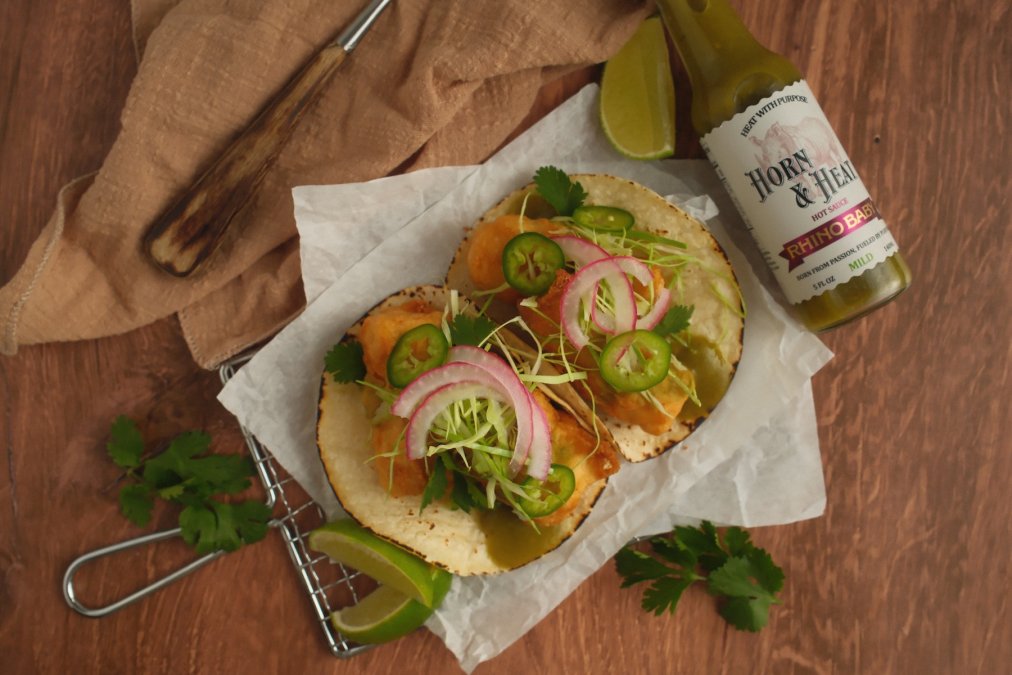
Rhino Baby Hot Sauce works beautifully in marinades for chicken and fish because its mild heat and fresh, bright profile don't overpower delicate proteins. Rhino Gold Hot Sauce is the most versatile for everyday marinades, its medium heat and balanced flavor complement nearly everything.
The goal is always balance. Heat should enhance the other flavors in the marinade, not dominate them. If tasting the raw marinade makes you wince, it's too hot. If you can barely detect the hot sauce, it's too mild.
Food Safety and Marinade Reuse
Raw chicken, beef, and seafood release bacteria into the marinade. If you want to use that marinade as a finishing sauce or glaze, you need to either reserve some before adding raw protein or heat the used marinade to a safe temperature.
The safest approach: reserve a portion of your marinade before adding any raw protein. Use the fresh portion as a finishing sauce or for basting during the last few minutes of cooking. This eliminates any food safety concern and gives you a bright, fresh sauce that hasn't been in contact with raw meat.
If you want to reuse the marinade that touched raw protein, bring it to a rolling boil and maintain that temperature for at least one minute. This kills pathogens. Let it cool before using it as a glaze or finishing sauce. Many home cooks skip this step, but it's the only safe way to reuse a marinade that's been in contact with raw meat or seafood.
Never taste a marinade that's been in contact with raw protein without cooking it first. The risk isn't worth it.
Marinated proteins should be cooked within 24 hours of marinating. After that, the acid and salt in the marinade can start to affect the protein's texture negatively. If you're marinating overnight, plan to cook the next day.
Finishing and Glazing with Hot Sauce
The final step of cooking, the glaze or finishing sauce, is where many home cooks miss an opportunity.
If you reserved fresh marinade (as recommended above), brush it on during the last 2 to 3 minutes of cooking. The heat will caramelize the glaze slightly, and the fresh sauce will add a bright note that contrasts with the deeper flavors the marinade created.
For a different finishing approach, make a simple glaze: combine hot sauce with honey or maple syrup, a squeeze of fresh lime juice, and melted butter. Brush this on during the final minutes of cooking.
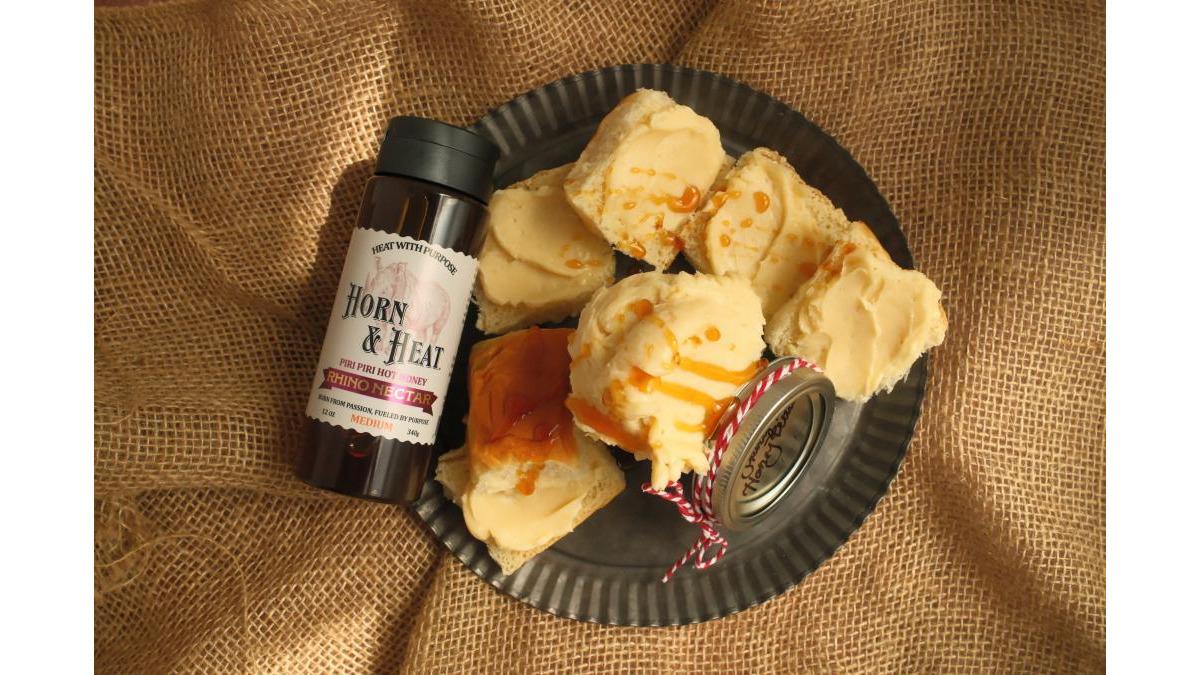
The Rhino Nectar Piri Piri Hot Honey works beautifully as a finishing glaze for grilled chicken, especially wings. The floral sweetness of the honey combined with the slow-building heat of the piri piri creates a glaze that caramelizes on high heat and adds complexity to the finished dish.
Apply finishing sauces in the last 2 to 3 minutes of cooking. Any longer and the sugars can burn. Any shorter and the glaze won't adhere or caramelize properly. Watch carefully, the difference between a beautiful glaze and a burnt mess is often just a minute or two.
Creating marinades with hot sauce transforms everyday proteins into something more intentional and flavorful. The key is understanding that heat and flavor work together, not as competitors.
Frequently Asked Questions
How long should you marinate chicken in hot sauce?
Marinating time depends on the cut and thickness. Boneless chicken breasts need 2-4 hours for flavor to penetrate; bone-in thighs benefit from 4-8 hours. Chicken wings absorb flavor quickly and work well with 1-3 hours. Overnight marinating (up to 12 hours) intensifies flavor but doesn't improve texture. Always marinate in the refrigerator to prevent bacterial growth.
What can you mix with hot sauce for a marinade?
Combine hot sauce with complementary ingredients to build depth. Citrus juice (lime or lemon) adds brightness and helps tenderize meat. Honey or sweetness balances heat and creates a sticky glaze. Garlic, ginger, and aromatics add savory complexity. Soy sauce or vinegar deepens flavor. Olive oil smooths the finish and helps flavors coat the protein evenly. Herbs like cilantro or cumin round out the profile without overpowering.
Can you use hot sauce as a marinade on its own?
Yes, a quality hot sauce can work solo as a marinade. Look for sauces with balanced flavor profiles that include acid (vinegar or citrus) and aromatics. Horn & Heat sauces are crafted to be used throughout the cooking process, including as marinades, so they deliver flavor without requiring additional ingredients. However, adding oil helps the marinade coat proteins more evenly and prevents sticking during cooking.
What foods work well in a hot sauce marinade?
Hot sauce marinades pair exceptionally well with chicken, beef, fish, prawns, and hearty vegetables. Chicken wings and thighs absorb flavor readily. Beef brisket and steak develop rich crust with hot sauce marinades. Fish and prawns benefit from shorter marinating times (30 minutes to 2 hours) to avoid over-softening delicate flesh. Grilled vegetables like peppers, zucchini, and eggplant gain flavor and char beautifully when marinated.