
Pair Gourmet Sauces With Grilled Meats
Table of Contents
- Understanding Flavor Profiles and Meat Pairing Basics
- Best Hot Sauce for Grilled Chicken
- How to Glaze Grilled Meat With Sauce
- Using Hot Honey on Grilled Meats
- Sauce Application During the Grilling Process
- Regional Barbecue Sauce Styles and Flavor Profiles
- Dry Rubs Paired With Sauce for Layered Flavor
- Frequently Asked Questions
Last Updated: September 30, 2026
Understanding Flavor Profiles and Meat Pairing Basics
The foundation of pairing gourmet sauces grilled meats rests on understanding how flavor profiles interact with protein. Horn & Heat creates chef-crafted hot sauces designed to work throughout the cooking process, from marinade to finishing touch. When you pair sauces with grilled meats, you're balancing acidity, heat, sweetness, and umami to amplify what's already happening on the grill.

Flavor balance is what separates a forgettable meal from one people remember. A sauce that's too acidic can overpower delicate chicken. One that's too sweet masks the char and caramelization you've worked to build. The best approach matches the sauce's dominant flavors to the meat's natural characteristics.
How flavor balance affects your grill outcome
Grilled meats develop complexity through the Maillard reaction, the chemical process that creates the browned crust and smoky depth. Your sauce should complement this, not compete with it. When acidity is too high, it can overpower delicate flavors. When sweetness dominates, it burns faster than the meat cooks, creating bitter char instead of caramelization.
The right sauce enhances what the grill already created. Think of it as seasoning that builds layers rather than masking flavors.
The role of acidity, umami, and sweetness
Acidity cuts through richness and brightens flavors. It's essential for fatty meats like pork belly or beef brisket, where the fat can feel heavy without sharp notes. Vinegar-based sauces work well here.
Umami is the savory depth that makes food satisfying. It comes from ingredients like tomatoes, soy, Worcestershire, and aged spices. This flavor profile pairs beautifully with beef and darker poultry meat.
Sweetness balances heat and adds caramelization when applied during cooking. Too much sweetness burns quickly and tastes cloying. A touch of honey or brown sugar works best on chicken and pork, where it can develop into a glaze without charring.
The strongest pairings use all three in proportion. A sauce with bright acidity, deep umami, and restrained sweetness works across most meats because it doesn't overwhelm any single element.
Best Hot Sauce for Grilled Chicken
Chicken needs a sauce with bright, balanced heat and enough acidity to cut through the meat's mild flavor. Chicken is lean and delicate, so aggressive sauces can overpower it. The best approach uses a sauce that adds flavor without drowning the poultry's natural taste.
Why chicken needs bright, balanced heat
Chicken's subtle flavor means your sauce becomes the dominant taste. A sauce that's all heat and no complexity will taste one-dimensional. Bright, balanced heat means the spice builds gradually rather than hitting hard upfront, and it's paired with enough acidity and flavor to make the heat feel purposeful.
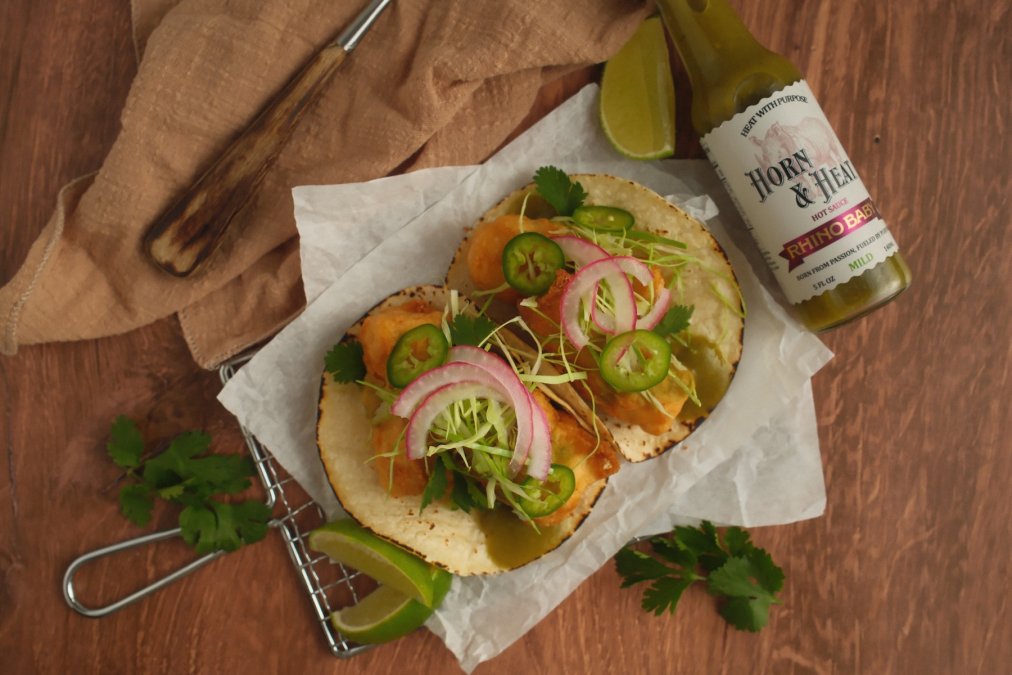
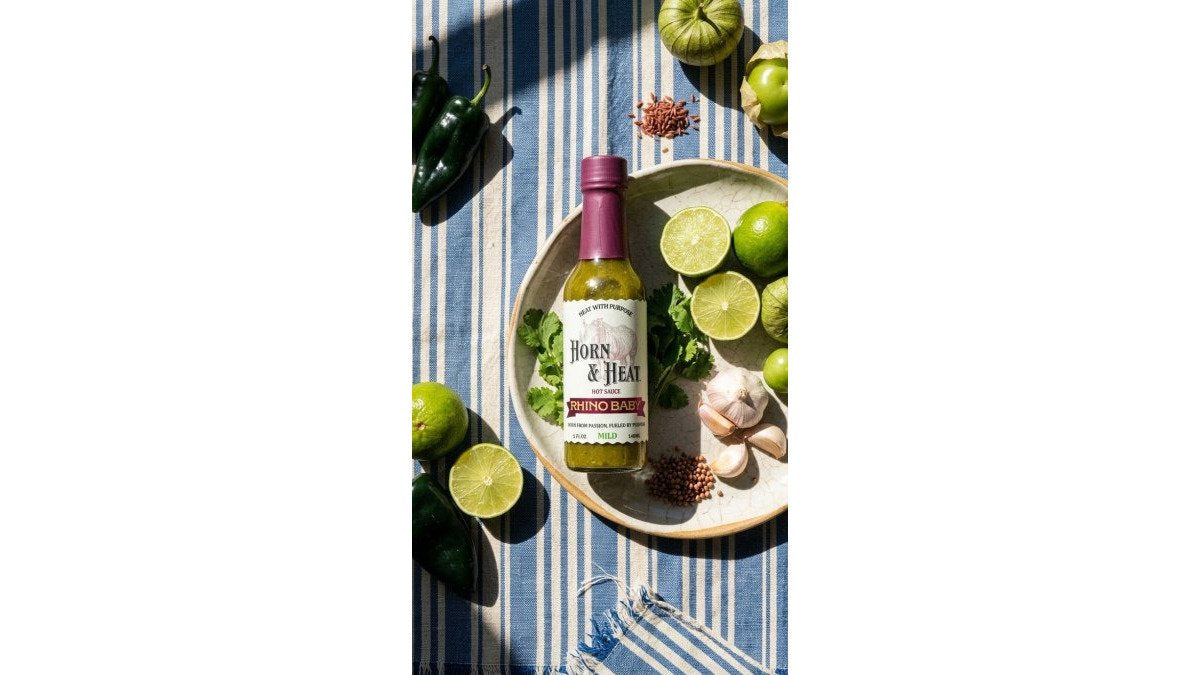
Rhino Baby, Horn & Heat's mild option, delivers this profile. It's fresh and bright without overwhelming the meat, making it ideal for grilled chicken where you want the sauce to enhance rather than dominate.
For medium heat, Rhino Gold works across chicken preparations because it balances depth with versatility. It won't overshadow the meat, and it applies well at multiple cooking stages.
Application timing and technique
The timing of when you apply sauce changes how it tastes and how the meat cooks. Applying sauce too early can create a burnt, bitter crust. Too late, and the sauce sits on top without integrating into the meat.
For chicken, apply sauce in layers:
- First layer: 5 minutes before the meat reaches final temperature, using indirect heat to let the sauce set without burning
- Second layer: After the meat comes off the grill, while it's still hot, so the sauce clings and creates glaze
- Final layer: Optional, after resting, for extra flavor depth
This approach builds flavor without risking char. The meat finishes cooking before the sauce has time to burn, and the residual heat helps the glaze adhere.
How to Glaze Grilled Meat With Sauce
Glazing is the technique of applying gourmet sauces grilled meats during cooking so it caramelizes and bonds with the meat's surface. This is different from simply brushing sauce on at the end. A proper glaze becomes part of the crust, creating texture and flavor depth.
Marinades versus finishing sauces
A marinade is sauce applied before cooking. It penetrates the meat and seasons from within. Marinades work best when they contain acid, which begins breaking down proteins and tenderizing the meat. The best marinades sit for 2 to 4 hours, though even 30 minutes makes a difference.
A finishing sauce is applied during or after cooking. It creates a glaze on the surface without penetrating deeply. Finishing sauces work best when they're thicker and have enough body to stick to the meat without running off.
The difference matters because marinades need to be thinner and more acidic to work effectively, while finishing sauces need body and enough viscosity to coat the meat.
Horn & Heat sauces work as both. Use them as marinades by thinning slightly with oil or vinegar, or apply directly as finishing sauces.
Preventing sauce from burning during grilling
Burning is the biggest mistake when glazing. High heat causes sugar in the sauce to caramelize too fast, turning bitter before the meat finishes cooking. The solution is timing and heat control.
Use indirect heat for glazing. Move the meat to a cooler part of the grill where the temperature is lower. Apply the sauce and let it set for 2 to 3 minutes, then flip or rotate the meat so the other side gets the same treatment.
Watch the sauce as it cooks. If it darkens too quickly, move the meat further from the heat or lower the temperature. The goal is a glossy, caramelized coating, not a blackened crust.
For thicker sauces, brush on thinner layers rather than one heavy coat. Multiple thin layers build flavor and glaze better than a single thick application.
Using Hot Honey on Grilled Meats
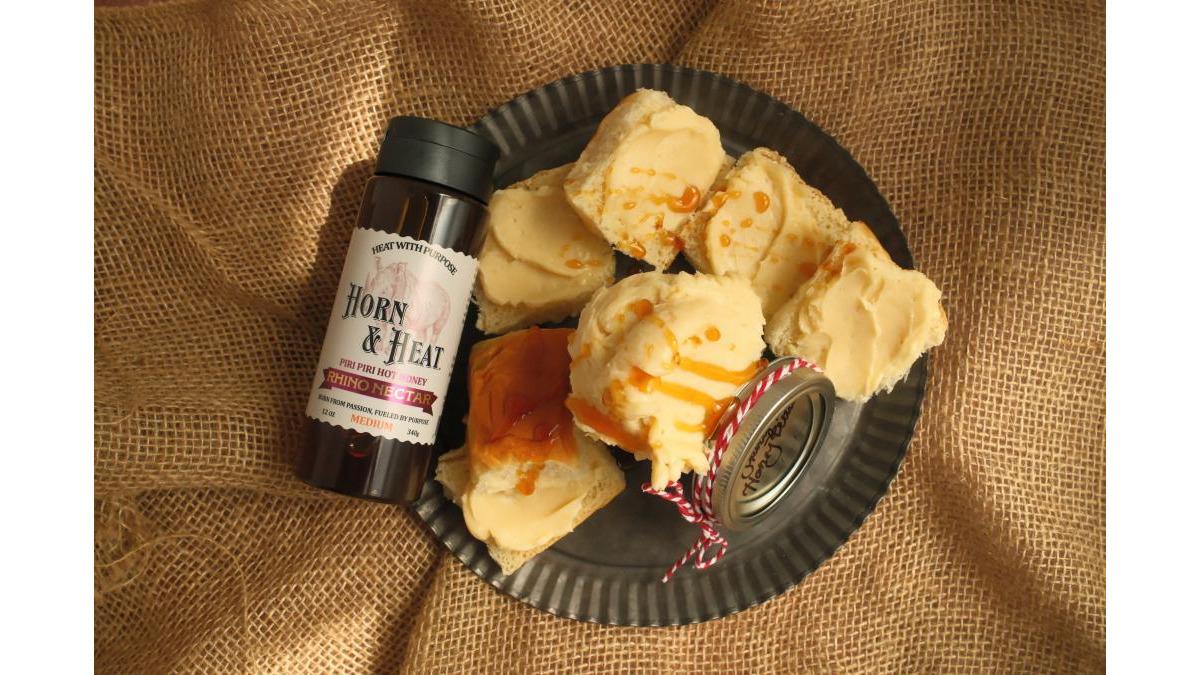
Hot honey bridges sweet and spicy in a way that works across beef, pork, and chicken. Rhino Nectar Piri Piri Hot Honey combines wildflower honey with African Bird's Eye Pepper, creating a sauce that starts sweet and finishes with slow-building heat.

Hot honey works best as a finishing sauce because the honey caramelizes quickly and creates a glossy coating. The piri piri heat develops after the initial sweetness, making it interesting rather than one-note.
Apply hot honey in the last 2 to 3 minutes of cooking, after the meat has developed its char. The residual heat from the grill will warm the honey without burning it. For maximum impact, apply a second layer after the meat comes off the grill while it's still hot.
Hot honey pairs particularly well with pork because the meat's fat carries the heat and sweetness across the palate. For beef, it works on cuts with good marbling where the fat can balance the spice.
Meat |
Best Application |
Timing |
Why It Works |
|---|---|---|---|
Chicken |
Finishing sauce |
Last 2-3 minutes |
Bright heat complements lean meat without overwhelming it |
Pork |
Glaze or finishing |
Last 3-5 minutes |
Fat carries heat and sweetness; honey caramelizes beautifully |
Beef |
Finishing sauce |
Last 2-3 minutes |
Marbling balances the spice; creates glossy crust |
Sauce Application During the Grilling Process
Timing is everything when applying sauce to grilled meat. The grill's heat transforms sauce from liquid to glaze, but only if you apply it at the right moment. Too early and it burns. Too late and it sits on the surface without integrating.
Direct heat versus indirect heat timing
Direct heat is where you build the crust. This is where char and caramelization happen. Don't apply sauce here because it will burn before the meat finishes cooking. Direct heat should be reserved for the first stage of cooking, when you're searing the meat and developing flavor through the Maillard reaction.
Basting technique and internal temperature
Basting is the process of brushing sauce onto meat repeatedly during cooking. This builds layers of flavor and creates a thicker glaze than a single application.
Regional Barbecue Sauce Styles and Flavor Profiles
Barbecue sauce traditions vary by region, each reflecting local ingredients and cooking methods. Understanding these styles helps you choose sauces that match your cooking approach.
Dry Rubs Paired With Sauce for Layered Flavor
Dry rubs and sauces are complementary, not competing. A dry rub creates a flavorful crust while the sauce adds moisture and additional flavor depth. The combination builds complexity that neither can achieve alone.
Frequently Asked Questions
How do you balance heat and flavor when grilling with hot sauce?
Balance comes from matching sauce acidity and sweetness to your protein's natural flavors. Start with a mild or medium sauce if you're new to grilling with gourmet sauces, then layer heat through basting in the final minutes. The key is applying sauce during indirect heat first, then using direct heat at the end for caramelization without burning. Rhino Gold offers medium heat with deep flavor that won't overpower chicken or pork, while Rhino Baby provides bright, approachable heat for everyday grilling.
Should you apply gourmet sauce before or after grilling?
Use sauce in stages. Apply a thin marinade or glaze before grilling to build flavor during cooking. During grilling, baste with sauce during indirect heat to prevent burning. Apply finishing sauce in the final 2-3 minutes over direct heat for caramelization and char. This three-step approach builds layered flavor and creates the umami-rich crust that makes grilled meat memorable.
What are the best gourmet sauce profiles for beef versus poultry?
Beef benefits from bold, smoky, and tangy profiles that complement its rich umami. Poultry needs brighter acidity and herbaceous notes to cut through fat without overwhelming delicate meat. Pork sits between them, working well with sweet-heat combinations. Rhino Doctor Reserve's complex heat suits beef, while Rhino Baby's fresh brightness pairs beautifully with chicken. Rhino Nectar's piri piri sweetness works across all proteins, especially for finishing.
How can hot honey enhance the flavor of grilled pork?
Hot honey adds sweetness that caramelizes on the grill's surface while piri piri heat builds slowly underneath. Apply it during the final 2-3 minutes over indirect heat to avoid burning. The honey's viscosity creates a glaze, while the floral notes complement pork's natural richness. Rhino Nectar's wildflower base and African Bird's Eye Pepper finish delivers both sweetness and lingering heat that elevates grilled pork without masking its flavor.