
Supporting Rhino Conservation Through Food Service
Table of Contents
- Why Rhino Conservation Matters for Food Service
- The Role of Rhinos in Ecosystems and Habitat Protection
- How to Choose a Specialty Food Gift Box That Supports Conservation
- Ethical Food Sourcing Practices and Wildlife Protection
- Anti-Poaching Initiatives and Field Programs
- Community-Based Conservation Models and Local Impact
- Taking Action: How Your Food Choices Support Rhino Conservation
- Frequently Asked Questions
Last Updated: September 1, 2026
Why Rhino Conservation Matters for Food Service
Rhinos are disappearing. In the last fifty years, the global rhino population has plummeted due to poaching, habitat loss, and human encroachment (iucnredlist.org). For the food service industry, this matters because the connection between ingredient sourcing, supply chains, and wildlife ecosystem health is direct and measurable. When food service operations source responsibly and support conservation efforts, they become part of a larger movement toward environmental stewardship that protects endangered species like rhinos.
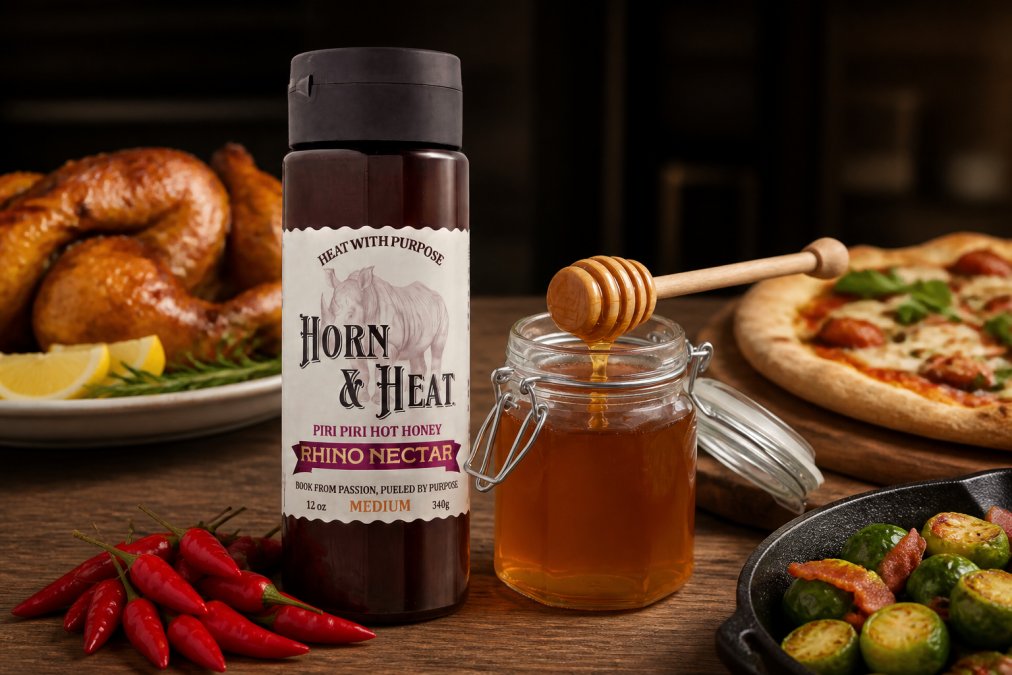
Horn & Heat was created with this exact mission in mind. Inspired by South African wildlife veterinarian Dr. Liam Theuns Smit, known as The Rhino Doctor, the brand channels a portion of every sale toward the Rockwood Conservation Fund, which provides direct care for orphaned and vulnerable rhinos in South Africa. This demonstrates how food businesses can embed conservation into their core identity while delivering premium flavor. When restaurants, catering companies, and home cooks choose products that support conservation, they're voting with their purchasing power for a food system that respects both flavor and the natural world.
The Role of Rhinos in Ecosystems and Habitat Protection
Rhinos are keystone species, meaning their presence shapes entire ecosystems (peer-reviewed research). These massive herbivores consume vast quantities of vegetation, creating and maintaining grasslands and savannas that support hundreds of other species. By grazing and browsing, rhinos prevent certain plant species from dominating, allowing diverse vegetation to flourish and supporting herbivores, predators, and insects that depend on specific plants for survival.
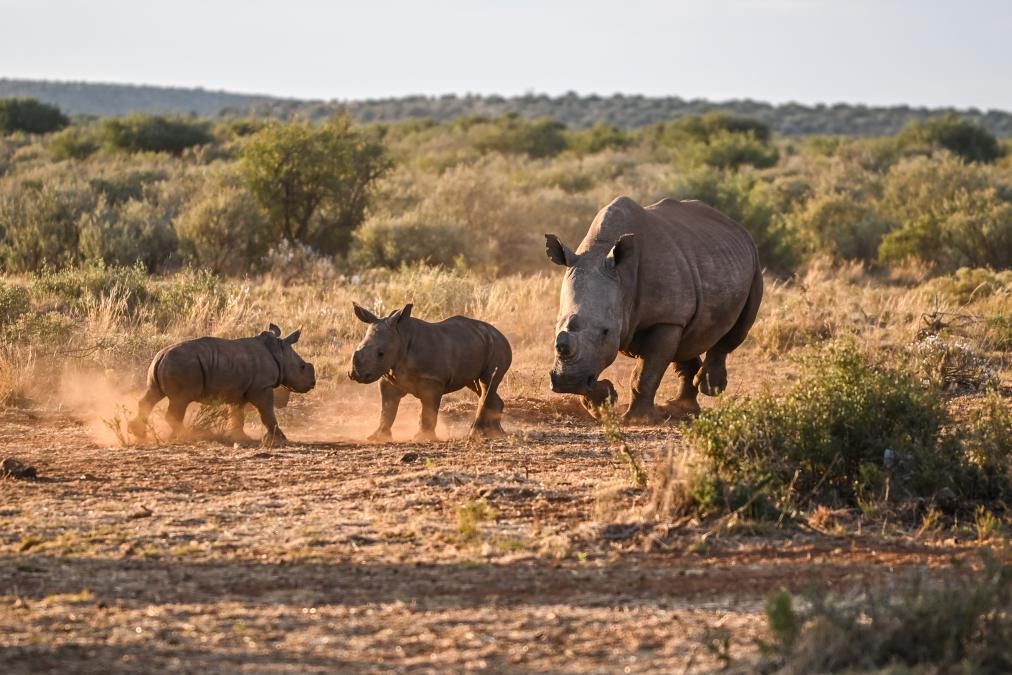
Habitat protection is inseparable from rhino conservation. Rhinos need vast ranges to roam, feed, and breed. When habitat shrinks due to agricultural expansion, urban development, or farmland conversion, rhino populations become fragmented and vulnerable. Protected reserves and wildlife corridors allow rhinos to move between areas, maintain genetic diversity, and access seasonal food sources. These habitats also provide critical services to human communities, including water filtration, carbon storage, and soil health (the EPA). Sustainable farming practices that minimize habitat disruption, protect water sources, and maintain biodiversity create landscapes where both agriculture and wildlife can coexist.
How to Choose a Specialty Food Gift Box That Supports Conservation
A specialty food gift box that supports conservation should reflect three core principles: transparent sourcing, conservation impact, and genuine quality. Look for products where the connection to conservation is explicit and verifiable, not vague marketing language.
Start by researching the brand's conservation partnerships. Legitimate conservation support means the company has established relationships with recognized organizations, wildlife sanctuaries, or veterinary programs. Horn & Heat's partnership with Dr. Liam Theuns Smit and the Rockwood Conservation Fund is a direct connection to a wildlife veterinarian actively involved in rhino care. This specificity matters because you can trace the impact to named individuals and specific work.

Consider product quality alongside mission. A gift box emphasizing conservation but delivering mediocre flavor sends a mixed message. The best conservation-focused food products prove that premium quality and purpose aren't trade-offs. Horn & Heat's chef-crafted hot sauces designed for everyday cooking versatility demonstrate that flavor-first products can also drive meaningful impact. Options like the Horn & Heat Starter Hot Sauce and Hot Honey Pack or the Horn & Heat Sweet Heat Bundle offer curated selections that let gift recipients explore the range while supporting conservation.

Evaluate the transparency of impact. How much of your purchase actually supports conservation? Reputable brands explain how funds are allocated, what specific conservation work is funded, and how progress is measured.
Consideration |
What to Look For |
Red Flag |
|---|---|---|
Conservation Partner |
Named organization, veterinarian, or sanctuary with verifiable work |
Vague references to "wildlife" or "nature" |
Product Quality |
Premium ingredients, chef-crafted, designed for real cooking |
Generic or mediocre flavor profile |
Impact Transparency |
Clear explanation of how funds support conservation |
Unclear allocation or no specific programs named |
Sourcing Practices |
Information about ingredient sourcing and ethical distribution |
No mention of supply chain or sourcing standards |
Longevity |
Established brand with proven track record |
New startup with unverified claims |
Ethical Food Sourcing Practices and Wildlife Protection
Ethical food sourcing means understanding where ingredients come from, how they're grown or raised, and what environmental impact that production has. For food service operations, this translates into supply chain sustainability and the ability to trace products back to their source.
Wildlife protection depends on land use decisions. When agricultural land is managed with biodiversity in mind, wildlife corridors are preserved, and habitat fragmentation is minimized, both food production and conservation benefit. Sustainable sourcing practices include crop rotation, reduced pesticide use, water conservation, and protection of native vegetation.
Supply chain transparency is increasingly important for food service businesses demonstrating conservation commitment. Brands that provide detailed sourcing information, identifying specific suppliers and production methods, make it easier for restaurants and catering companies to make informed choices. When a food company sources thoughtfully, it sends market signals to suppliers that conservation-minded practices are valued, creating economic incentives for sustainable agriculture throughout the supply chain.
Anti-Poaching Initiatives and Field Programs
Anti-poaching efforts are the frontline defense for rhino populations. These field programs employ rangers, veterinarians, and community members who work on protected reserves to prevent illegal hunting, monitor wildlife populations, and respond to threats in real time.
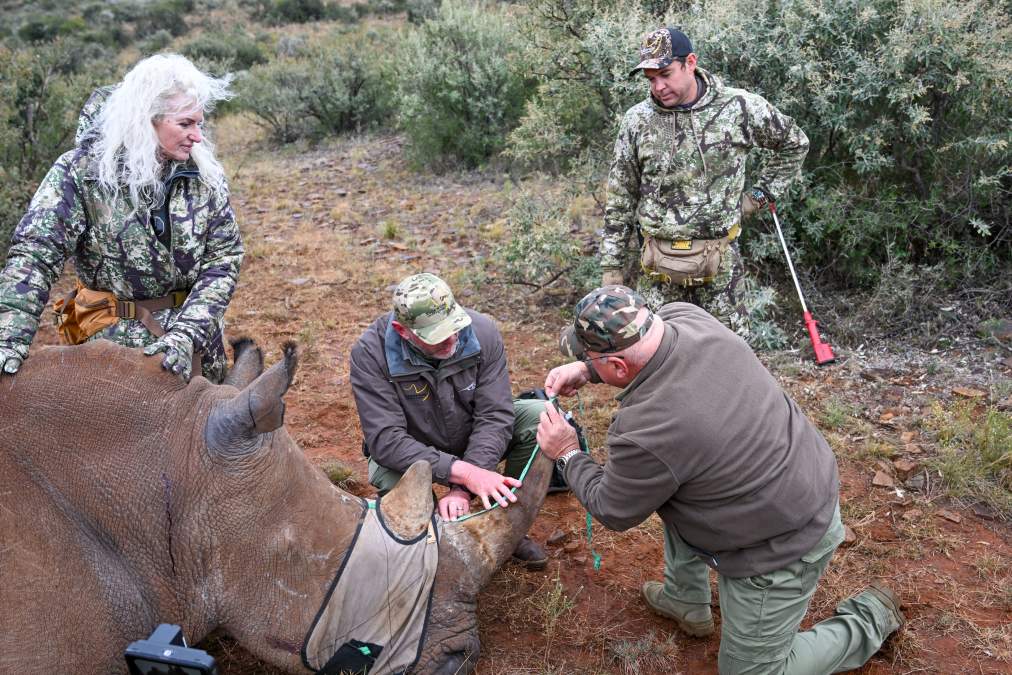
Field programs extend beyond patrol and enforcement to include veterinary care for injured or sick rhinos, population health monitoring, and rapid response to poaching incidents. Wildlife veterinarians like Dr. Liam Theuns Smit combine medical expertise with conservation strategy, treating individual animals while gathering data that informs broader population management decisions.
Conservation funding directly supports these field operations. Money raised through ethical business practices pays for ranger salaries, veterinary equipment, patrol vehicles, and communication technology. Without consistent funding, anti-poaching programs cannot operate effectively. When food service businesses and consumers support brands that fund these initiatives, they're directly enabling the work that keeps rhinos alive.
The effectiveness of anti-poaching work depends on community engagement. Rangers and veterinarians often come from local communities, which means they have deep knowledge of the land and relationships with other community members. This local presence is far more effective than external enforcement alone.
Community-Based Conservation Models and Local Impact
Community-based conservation recognizes that protecting wildlife is impossible without the support and participation of people who live alongside endangered species. Local communities have historical ties to the land and deep knowledge of wildlife behavior and habitat. When conservation models exclude these communities or fail to provide economic benefits, they often fail. When communities are partners and beneficiaries, conservation succeeds.
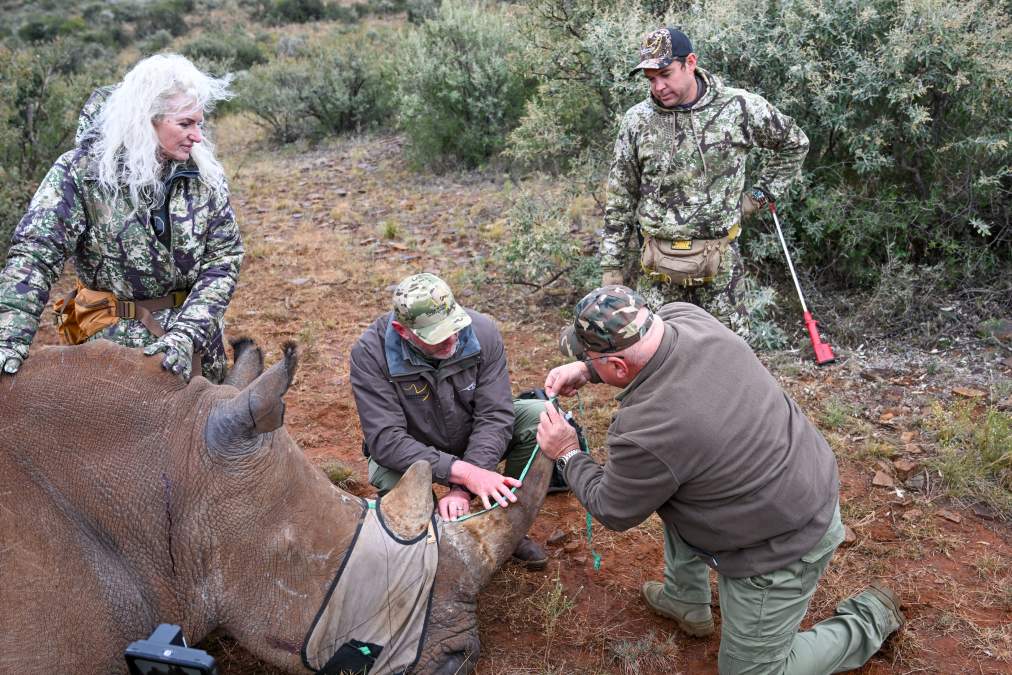
Local community engagement in rhino conservation takes many forms. Some communities manage protected reserves and benefit from wildlife tourism. Others participate in anti-poaching patrols and receive training in wildlife management. Still others engage in habitat restoration projects that improve conditions for rhinos and other species. These models create economic incentives for conservation while building local expertise and ownership.
Stakeholder partnerships are essential to community-based conservation. Government agencies, NGOs, private reserves, local communities, and international donors must work together, each contributing resources, expertise, and authority. When these partnerships function well, they create resilient conservation systems that can adapt to changing circumstances. When communities are partners and beneficiaries, conservation succeeds.
Taking Action: How Your Food Choices Support Rhino Conservation
Every food purchase is a choice about what kind of food system you want to support. When you choose products that support rhino conservation efforts, you're voting for a food industry that values environmental stewardship alongside flavor and quality. This choice funds anti-poaching rangers, veterinary care for endangered rhinos, habitat protection, and community-based conservation programs.
For home cooks and food enthusiasts, supporting rhino conservation starts with awareness. Understanding the connection between food sourcing, supply chain practices, and wildlife protection makes it easier to make intentional choices. When shopping for specialty foods or everyday cooking ingredients, consider whether the brand has a clear conservation mission and transparent impact metrics.
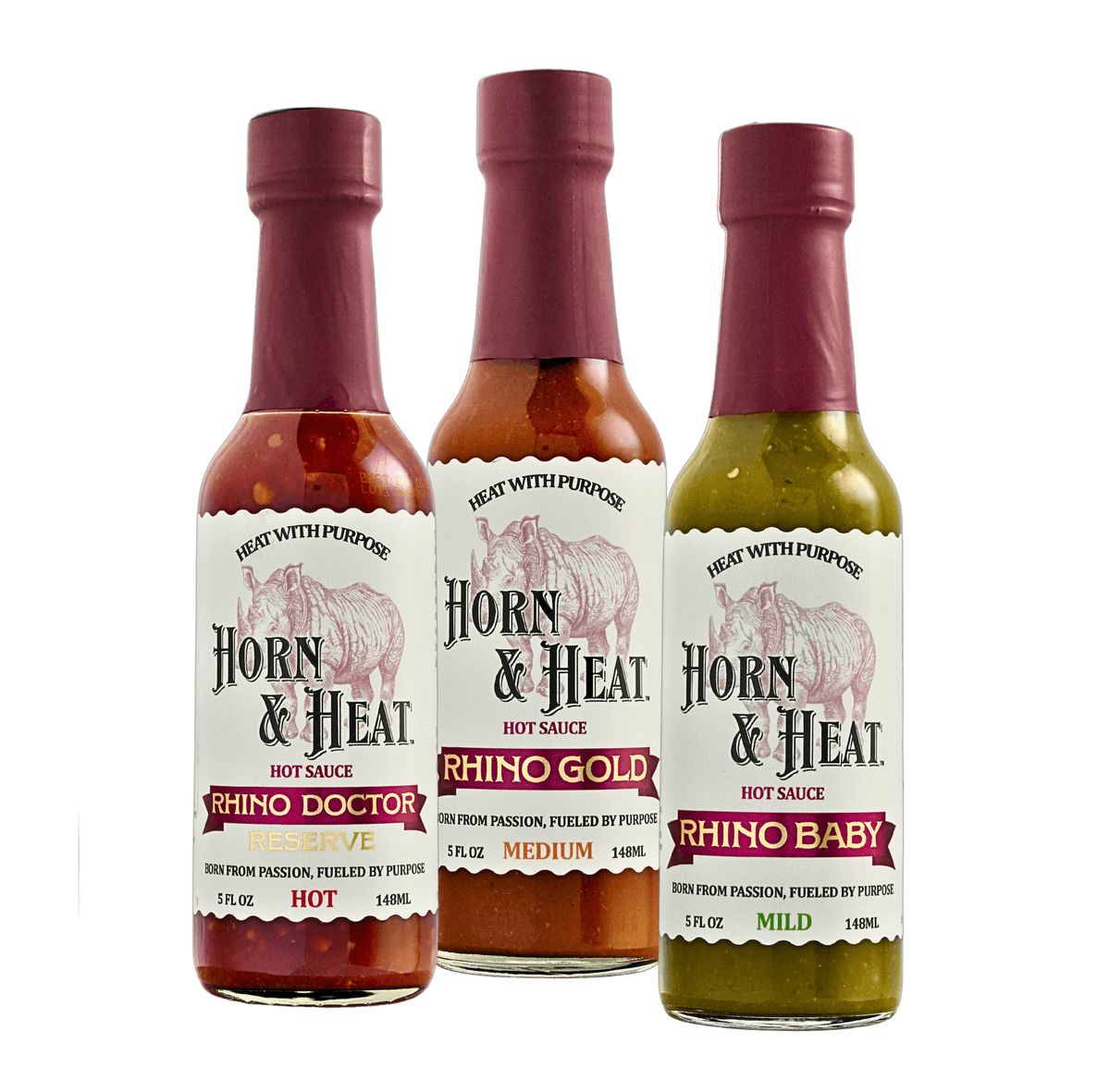
Horn & Heat's products exemplify this approach. Each bottle supports the Rockwood Conservation Fund, which means every purchase contributes to rhino care and protection. The sauces are crafted for real cooking across different cuisines and cooking styles, which means they deliver everyday value while supporting conservation. Whether you're exploring individual bottles like Rhino Doctor Reserve Hot Sauce or trying the Horn & Heat Hot Sauce Trio, you're making a choice that matters beyond the plate.

For food service professionals, restaurant owners, catering companies, and chefs, supporting rhino conservation means examining your supply chain and ingredient sourcing. Partner with brands that prioritize ethical distribution and transparency. Feature conservation-focused products on your menu and explain the connection to your customers. This educates diners about the relationship between their food choices and wildlife protection.
Conservation funding flows through every transaction. When you purchase a product that supports rhino conservation efforts, that money goes directly to the work that matters: veterinary care, anti-poaching patrols, habitat protection, and community engagement. This direct link between consumer choice and conservation impact is powerful. Choosing premium, conservation-focused food products is an investment in both flavor and purpose.
Start small if you're new to conservation-focused purchasing. Try a single product from a brand with a clear mission. Use it in your cooking, notice the quality, and feel the direct connection between your choice and the conservation work it supports. As you become more familiar with brands that align conservation with premium flavor, you'll find it easier to make these choices consistently. Over time, these individual decisions create market momentum that rewards businesses for prioritizing environmental stewardship.
Supporting rhino conservation through food choices is practical, immediate, and aligned with the values of anyone who cares about both flavor and purpose. Horn & Heat demonstrates that premium hot sauces designed for everyday cooking can also fund critical wildlife protection work. When you choose products that support rhino conservation efforts, you're choosing to build a food system where flavor, sustainability, and conservation thrive together. Explore the full range of Horn & Heat products at https://hornandheat.com and discover how your food choices can make a measurable difference for endangered rhinos and the ecosystems they sustain.
Frequently Asked Questions
What percentage of my purchase actually supports rhino conservation efforts?
When you buy Horn & Heat products, a portion of your purchase goes directly to the Rockwood Conservation Fund, which supports orphaned and vulnerable rhinos in South Africa. The brand partners with wildlife veterinarian Dr. Liam Theuns Smit, known as The Rhino Doctor, to ensure conservation funding reaches field programs and direct animal care. For specific allocation details, contact Horn & Heat directly at https://hornandheat.com.
How does ethical food sourcing impact wildlife conservation efforts?
Ethical food sourcing practices prioritize supply chain transparency and sustainable agriculture, which reduce habitat destruction and ecosystem damage. When food brands commit to responsible sourcing, they help protect biodiversity and wildlife corridors. By choosing products from brands that support conservation—like those partnered with wildlife protection organizations—consumers fund anti-poaching initiatives and habitat restoration directly through their purchases.
Why is it important for food service distributors to partner with conservation-focused brands?
Food service partnerships with conservation-focused brands create measurable conservation results through scale. Distributors reach restaurants, catering companies, and food businesses that can amplify the impact of each purchase. These partnerships fund community-based conservation models, field programs, and scientific research that protect endangered species. They also demonstrate corporate social responsibility and stakeholder commitment to environmental stewardship.
How can I identify food brands that genuinely support rhino conservation?
Look for brands with transparent supply chain practices, documented partnerships with established conservation organizations, and clear information about how funds are allocated. Check for third-party verification or certifications from wildlife protection groups. Brands like Horn & Heat provide direct connections to conservation partners—in this case, Dr. Liam Theuns Smit and the Rockwood Conservation Fund—making it easy to verify their commitment to wildlife habitat restoration and endangered species protection.
This article was written using GrandRanker