
5 Healthy Alternatives to Sugary Barbecue Sauces
Table of Contents
- Why Your Go-To BBQ Sauce Is a Sugar Bomb
- What to Look For in Healthy Barbecue Sauces
- The 5 Best Healthy Alternatives to Sugary BBQ Sauces
- Hot Sauce as a Marinade: Building Flavor Without Sugar
- How to Season Meat Without Sugary Sauces
- Quick Comparison: Sugar Content and Flavor Profile
- Final Verdict: Better BBQ Flavor Starts Here
- Frequently Asked Questions
Last Updated: September 6, 2026
A standard bottle of barbecue sauce often lists a sweetener as its second ingredient, meaning a few spoonfuls can carry as much sugar as a candy bar (peer-reviewed research). The 5 healthy alternatives to sugary barbecue sauces in this guide focus on bold flavor first, using whole-food ingredients and layered heat instead of refined sugar or high-fructose corn syrup. At Horn & Heat, the approach is simple: build sauces that work as cooking ingredients, not just toppings, so you get depth, tang, and smoke without the sugar crash.
Why Your Go-To BBQ Sauce Is a Sugar Bomb
Most commercial barbecue sauces lean on sugar for body, shine, and that sticky finish, masking smokiness and tang rather than supporting them. Many store-bought options list refined sugar, molasses, or corn syrup within the first few ingredients.
Sugar caramelizes quickly over high heat, which is why sugary sauces char and burn before the meat finishes cooking. A sauce built on savory, tangy, and spicy elements glazes without scorching.
Flavor should come from the ingredients, not just the sweetener. Look for sauces that use vinegar, chile peppers, and spices to create a balanced profile.
What to Look For in Healthy Barbecue Sauces
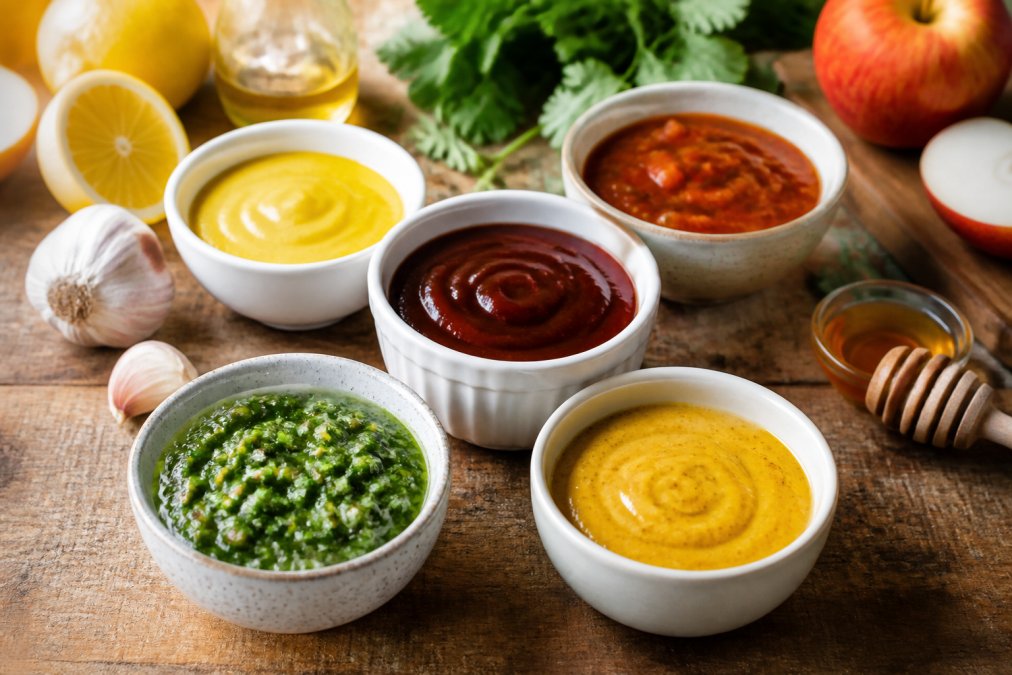
A healthy barbecue sauce starts with recognizable ingredients. Whole-food components like tomato paste, apple cider vinegar, and chile peppers deliver flavor and depth without empty sweetness. But most label-reading advice stops at sugar content, missing two hidden traps: the sodium swap and the glycemic load of alternative sweeteners.
The Hidden Sodium Trap
When manufacturers strip out sugar, they often compensate with salt to maintain flavor impact (the FDA). A sauce can be low in sugar but carry 300-400 mg of sodium per 2-tablespoon serving, roughly 15% of the daily recommended limit, before accounting for the salt in your dry rub or brine. When scanning labels, compare sugar content to sodium: look for sauces where sodium per serving is at or below the sugar grams multiplied by 10.
Glycemic Impact: Beyond Net Carbs
Most guides lump all sweeteners together, but the body processes them very differently. Refined sugar and molasses have a high glycemic index (GI), causing a rapid spike in blood glucose, while monk fruit and stevia have a GI of zero (PubMed). Honey, though more natural than refined sugar, still carries a moderate GI (around 58) and should be used thoughtfully.
What a Truly Balanced Label Looks Like
A genuinely healthy barbecue sauce lists a fermented or vinegar base early, uses whole chile peppers (not just extract) for heat, and either omits sweeteners or uses a zero-glycemic option like monk fruit. It should also avoid artificial thickeners like xanthan gum in favor of natural reduction or tomato paste for body.
This deeper label analysis matters because the goal is finding a sauce that supports your overall health profile. Horn & Heat sauces are built on a pepper-and-vinegar foundation, keeping sodium in check while delivering flavor through spice and acidity.
The 5 Best Healthy Alternatives to Sugary BBQ Sauces
These five options from Horn & Heat replace the cloying sweetness of traditional barbecue sauce with layered, chef-crafted flavor. Each works as a marinade, a glaze, or a finishing sauce.
1. Rhino Nectar Piri Piri Hot Honey
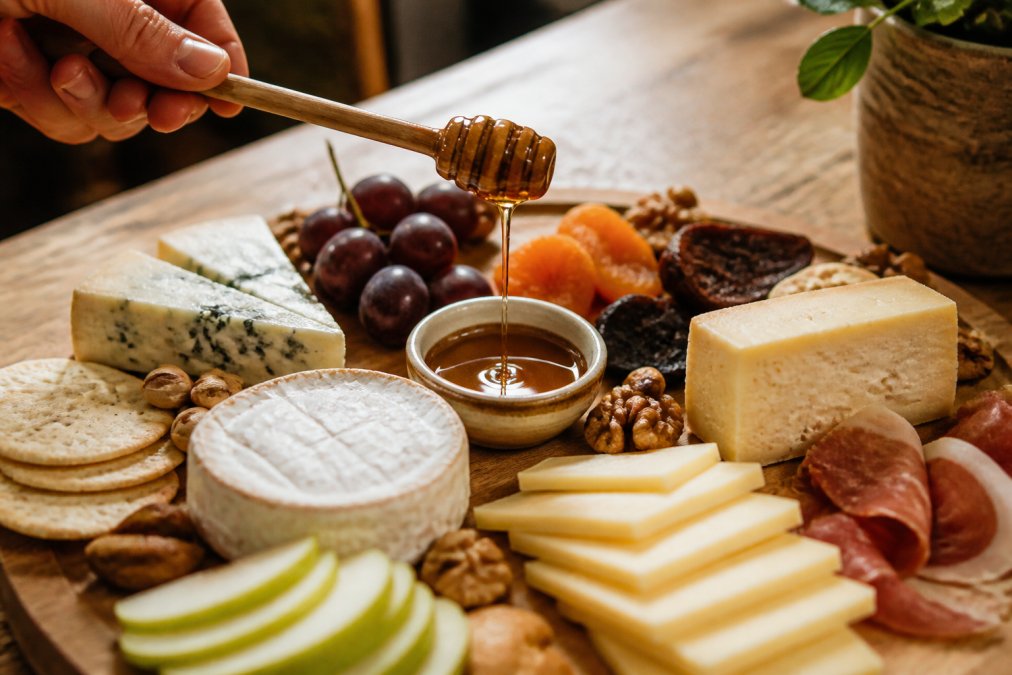
Rhino Nectar Piri Piri Hot Honey is a natural sweetener alternative made with wildflower honey and African Bird's Eye Pepper. It starts sweet and finishes with slow-building heat, providing the caramelization you want on grilled food.
This is the closest swap for a traditional sweet barbecue sauce. Drizzle it over grilled chicken, roasted vegetables, or breakfast biscuits.
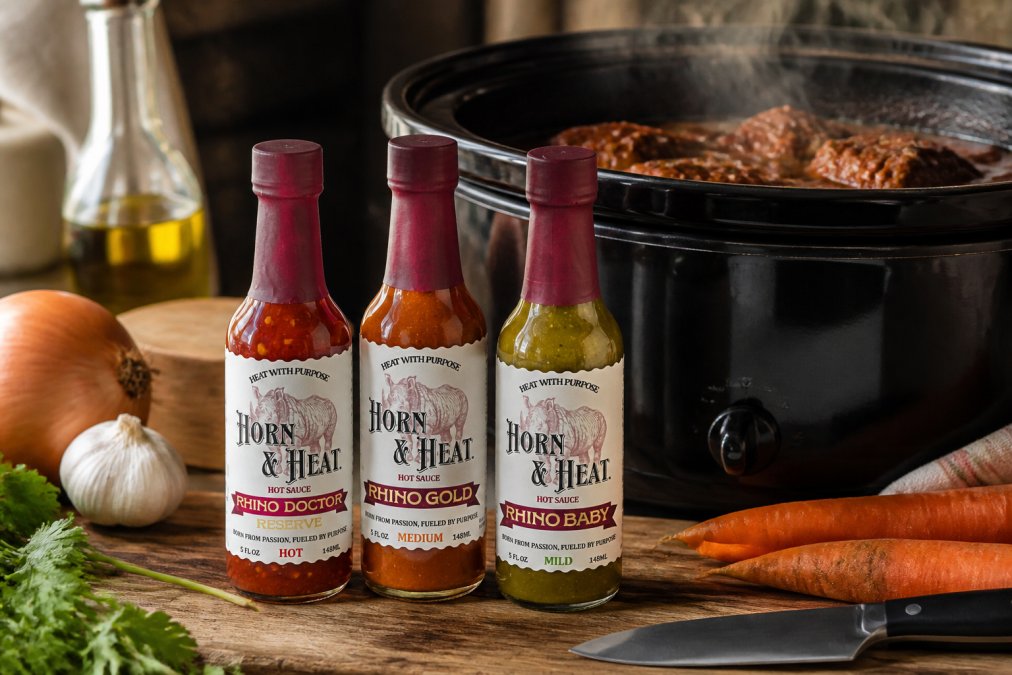
2. Rhino Gold Hot Sauce
Rhino Gold Hot Sauce is the most versatile option, with balanced heat and deep, savory flavor. It skips sugar entirely, relying on peppers and spices, making it an excellent base for a homemade barbecue sauce or a direct brush-on for ribs and brisket.
Its medium heat level works across cuisines, use it as a marinade for grilled shrimp, a finishing sauce for tacos, or a stir-fry base.
3. Rhino Baby Hot Sauce
Rhino Baby Hot Sauce is the mild entry point for those who want flavor without intense heat. Its fresh, bright character brings acidity and a gentle kick that mimics a vinegar-based barbecue sauce, ideal for pulled pork sandwiches or grilled vegetables.
Because the heat is gentle, the sauce lets other ingredients shine, pairing well with dry rubs and smoked meat.
4. Rhino Doctor Reserve Hot Sauce
Rhino Doctor Reserve is the original Horn & Heat sauce, created with wildlife veterinarian Dr. Liam Theuns Smit. It offers bold, complex heat that builds slowly, so the flavor develops as you eat rather than hitting a single sharp note.
For barbecue, use it as a finishing sauce on brisket or short ribs, its complexity stands up to rich, fatty meats.
5. The Sweet Heat Bundle
The Sweet Heat Bundle combines Rhino Nectar Piri Piri Hot Honey with a choice of Rhino Doctor Reserve, Rhino Gold, or Rhino Baby. Having both a sweet element and a savory hot sauce on hand covers every stage of cooking.
It is a smart way to test which flavor profile fits a cooking style.
Hot Sauce as a Marinade: Building Flavor Without Sugar
Using hot sauce as a marinade is one of the most effective ways to build flavor without sugar. The acidity in pepper-based sauces helps tenderize meat while spices penetrate the surface.
Timing is key. A vinegar-forward hot sauce can break down proteins quickly, so marinating times should be shorter than with dairy or enzyme-based marinades, thirty minutes to two hours is usually enough for chicken or pork.
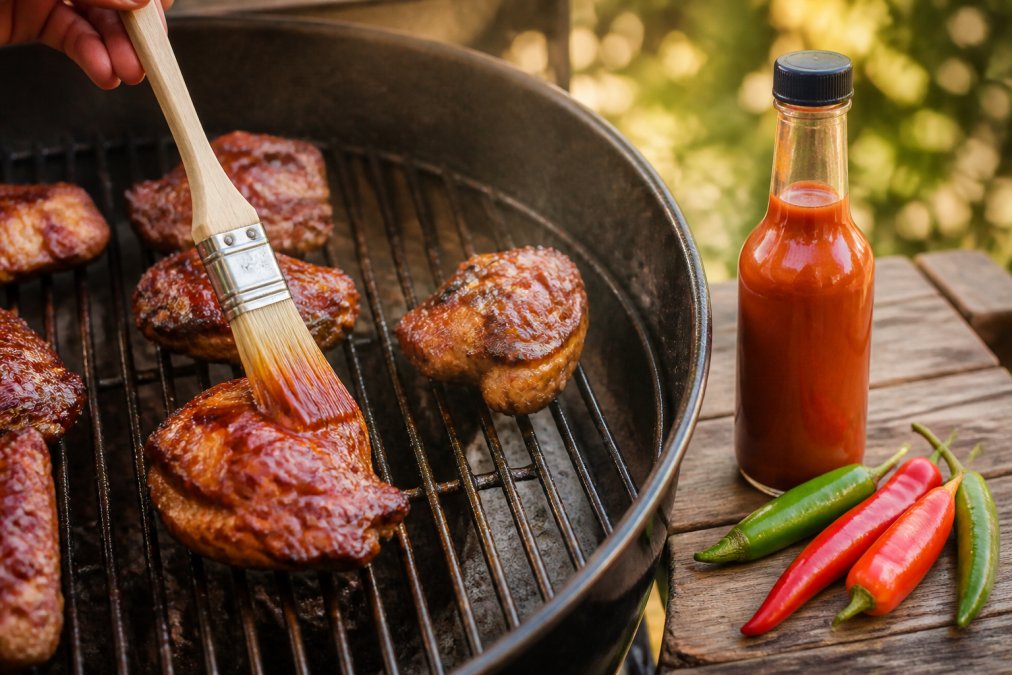
A common mistake is brushing sugary sauce on early, which leads to burning. Instead, use a hot sauce marinade before cooking and reserve any sweet element for the final few minutes.
How to Season Meat Without Sugary Sauces
A dry rub is the direct path to smoky, savory flavor without a drop of sugar. Combining smoked paprika, garlic powder, black pepper, and a touch of cayenne creates a crust that rivals any barbecue sauce. But the real challenge is texture: sugar gives traditional BBQ sauce its glossy, sticky finish and helps build a caramelized bark.
Why Sugar-Free Sauces Behave Differently on the Grill
Sugar caramelizes at approximately 320°F and burns at around 350°F, a narrow window that is why sugary sauces scorch so easily over direct heat. A sugar-free sauce has no caramelization point; it simply reduces and thickens as water evaporates, so it will not burn as quickly but also will not develop that shiny, tacky glaze on its own.
The Reduction Technique
Instead of brushing a sugary sauce on early, create a glaze by reducing a vinegar-forward hot sauce with a small amount of apple cider vinegar in a saucepan. Simmer until it reduces by about a third, concentrating the natural pectin from the peppers into a syrup-like consistency without added sugar. Brush this reduction onto the meat in the final ten minutes of cooking.
Building Bark Without Sugar
For a dry rub that creates a genuine bark, the key is managing moisture and heat. Sugar in a rub melts and glues spices together, forming a hard crust; without it, you need to encourage the spices to bind through moisture. Apply the rub to slightly damp meat, pat it dry first, then spritz lightly with apple cider vinegar before applying the rub.
The Two-Stage Glaze Method
For the best of both worlds, a sugar-free base with a sticky finish, use a two-stage approach. Apply a dry rub and cook low and slow to build the bark. In the final minutes, brush on a reduction of hot sauce and vinegar, let it set for two to three minutes, then apply a second thin coat just before pulling the meat off.
Salt Management When Skipping Sugar
Since sugar often masks saltiness, a rub needs properly balanced salt to carry the other spices. Season the meat the night before to let the salt penetrate, then apply the rub right before cooking. A common mistake is over-salting to compensate for missing sweetness, instead, lean on smoked paprika and garlic powder for depth.
This chemistry-based approach separates a well-executed sugar-free barbecue from a dry, flavorless one. Horn & Heat's vinegar-forward sauces are designed for this reduction method, providing the acidity and pepper solids needed to build a glaze naturally.
Quick Comparison: Sugar Content and Flavor Profile
| Alternative | Sweetener Type | Heat Level | Best Use | Flavor Profile |
|---|---|---|---|---|
| Rhino Nectar | Wildflower honey | Mild to medium | Glaze, drizzle | Floral, sweet, slow heat |
| Rhino Gold | None | Medium | Marinade, all-purpose | Savory, balanced, deep |
| Rhino Baby | None | Mild | Pulled pork, vegetables | Bright, fresh, tangy |
| Rhino Doctor Reserve | None | Hot | Finishing sauce | Bold, complex, layered |
| Sweet Heat Bundle | Honey + none | Varies | Full cook | Customizable |
Final Verdict: Better BBQ Flavor Starts Here
The best way to cut sugar from barbecue is to stop treating sauce as a sweet topping and start using it as a flavor layer. The 5 healthy alternatives to sugary barbecue sauces listed here prove that smoky, tangy, and savory profiles do not need refined sugar to shine. Each option from Horn & Heat is chef-crafted to work across the cooking process, from marinade to finishing glaze. Every bottle also supports rhino conservation through the Rockwood Conservation Fund, adding purpose to better flavor. Horn & Heat product collection Get started with Horn & Heat and bring balanced, layered heat to your next cook.

Frequently Asked Questions
What are the healthiest alternatives to store-bought BBQ sauce?
The healthiest alternatives to sugary barbecue sauces are condiments that deliver smoky, tangy, or spicy flavor without refined sugar or high-fructose corn syrup. Hot sauces made with whole-food ingredients like peppers, vinegar, and spices are excellent choices. For a touch of sweetness without processed sugar, hot honey made with wildflower honey adds depth and heat. Look for clean labels with short ingredient lists and no artificial additives.
Can hot sauce be used as a healthy base for grilling?
Yes, hot sauce works exceptionally well as a healthy base for grilling and marinating. Unlike sugary barbecue sauces that caramelize and burn quickly, hot sauce provides a tangy, savory foundation that builds flavor without the sugar crash. Use it as a marinade base combined with olive oil and herbs, or brush it on during the last few minutes of cooking. This approach adds complexity and heat while keeping your meal lower in sugar.
How do I identify hidden sugars in store-bought condiments?
Check the ingredient list for refined sugar, high-fructose corn syrup, molasses, honey, agave, or any syrup. Sugar hides under many names, including dextrose, maltose, and fruit juice concentrate. Pay attention to the nutrition label: 4 grams of sugar equals 1 teaspoon. Many barbecue sauces pack 12-16 grams per 2-tablespoon serving, which adds up quickly. Choose sauces where sugar appears near the end of the ingredient list, if at all.
What can I use as a sugar substitute for BBQ sauce flavor?
To get sweetness without refined sugar, rely on whole-food ingredients and smart cooking techniques. Caramelizing onions or roasting peppers brings out natural sweetness. Apple cider vinegar adds tang and brightness, while spices like smoked paprika, cumin, and chili powder build depth. A small amount of fruit puree or a drizzle of hot honey can satisfy sweet cravings with less sugar and more flavor complexity.