
Premium Hot Sauce: What Sets Quality Apart
Table of Contents
- What Defines Premium Hot Sauce
- Gourmet Hot Sauce Ingredients That Build Flavor
- Heat Levels and Scoville Scale Context
- Hot Sauce Cooking Applications Beyond the Condiment
- Why Depth of Flavor Matters More Than Heat Alone
- Choosing Premium Hot Sauce: What to Look For
- Small-Batch Craft Versus Mass Production
- Sustainability and Ingredient Transparency
- Comparison Table: Premium Hot Sauce Options
- Frequently Asked Questions
Last Updated: September 1, 2026
What Defines Premium Hot Sauce
A premium hot sauce is built on depth of flavor, not heat alone. This distinction separates craft sauces from commodity bottles that rely on vinegar and a single chili pepper to deliver a one-dimensional punch. Premium hot sauce combines multiple chili varieties, fresh herbs, citrus, and balanced seasonings to create complexity that evolves across your palate, bright notes that fade into warmth, then linger with umami depth.
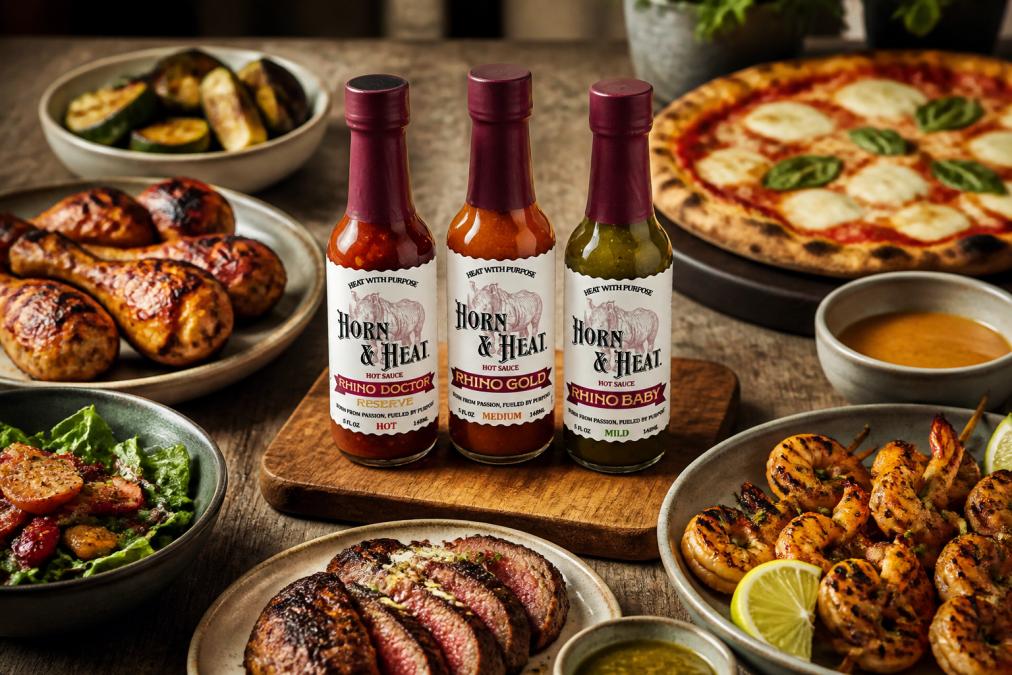
The difference lies in intentionality. Mass-market sauces prioritize shelf stability and cost efficiency. Premium hot sauce prioritizes taste. Heat becomes one element in a carefully orchestrated flavor profile, not the entire point. Horn & Heat exemplifies this philosophy: eight fermented chilies in the Rhino Doctor Reserve create layered complexity that a single-chili sauce cannot achieve. We add flavor from fresh herbs, citrus, multiple chilies and seasonings in each sauce to create a sauce that is outstanding. Sure we could have made it cheaper with one chili, some garlic and vinegar like 99% of the hot sauce companies out there, but ours is meant to do more than just topping off food and bringing heat to a boring dish. Heat alone does not make a good hot sauce, it has to have depth of flavor to be remarkable, and ours does just that. Which is why our hot sauce is a premium hot sauce.

When you taste a premium hot sauce, you should notice distinct flavor notes, whether smoky, tangy, fruity, or herbaceous, that complement your food rather than overwhelm it. Understanding what makes hot sauce premium helps you make intentional choices about which sauce fits which dish and why investing in craft sauces changes how you cook.
Gourmet Hot Sauce Ingredients That Build Flavor
Gourmet hot sauce ingredients work in concert to build flavor complexity. The foundation starts with chili peppers, but not just one. Premium sauces use multiple varieties, each contributing distinct heat levels and flavor characteristics. Jalapeños bring bright, grassy notes. Habaneros add fruity warmth. Ghost peppers deliver intense heat with subtle sweetness. Scotch bonnets introduce smoky, tropical undertones. By blending varieties, craft sauces achieve flavor depth that single-pepper sauces cannot.
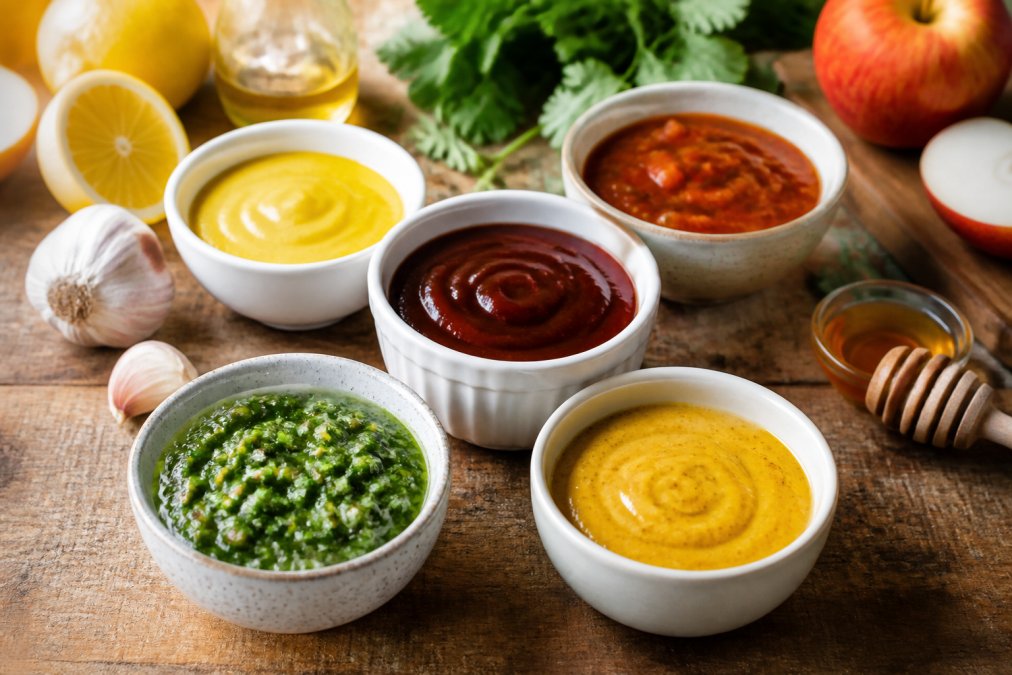
Beyond chilies, premium ingredients create balance and roundness. Fresh herbs like cilantro, oregano, and basil add brightness and herbal complexity. Citrus, lime juice, lemon zest, or fruit-based vinegars, provides acidity that cuts through richness and prevents flatness. Garlic and onion build savory depth. Spices like cumin, coriander, and smoked paprika add warmth and earthiness.
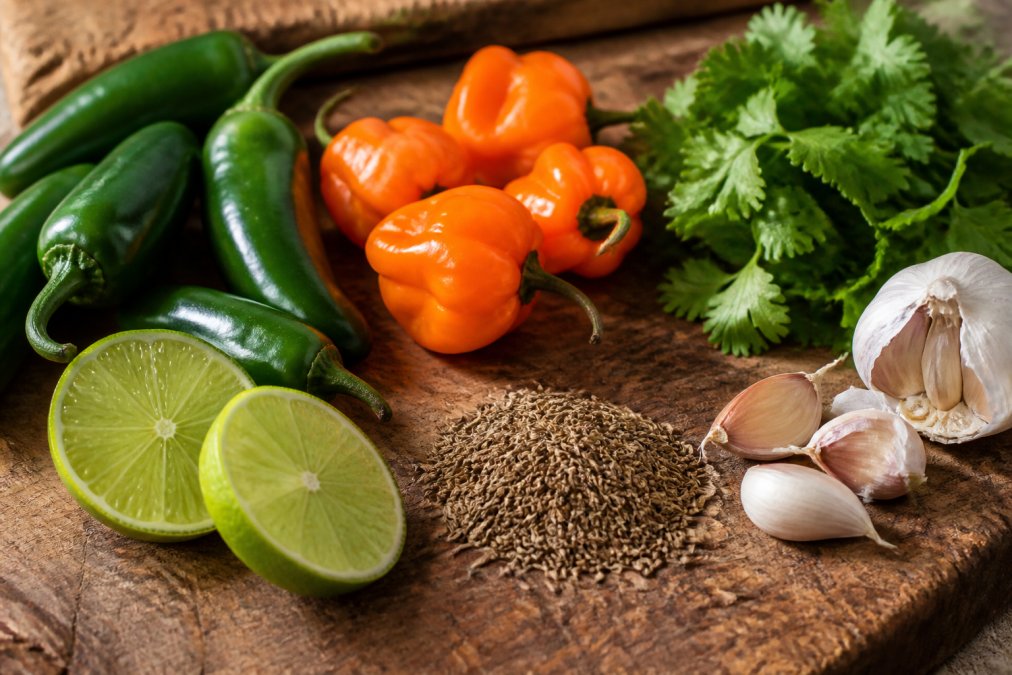
Fermentation elevates ingredient quality significantly. When chilies ferment over time, their natural sugars break down, developing deeper, more complex flavors while reducing raw harshness. This process creates beneficial compounds that improve digestibility and add subtle funk, a savory, aged quality that fresh sauces lack. The Rhino Doctor Reserve uses eight fermented chilies specifically to achieve this layered complexity.
When you read ingredient lists on premium hot sauces, look for recognizable whole foods: named chili varieties, specific herbs, real citrus. Avoid sauces listing "spice blend" or "natural flavors", these hide ingredient quality. Premium brands are transparent because their ingredients are worth showing.
Heat Levels and Scoville Scale Context
Understanding heat levels helps you select the right sauce for your palate and dish. The Scoville scale measures capsaicin concentration, the compound that creates heat sensation. Jalapeños range from 2,500 to 8,000 Scoville Heat Units (SHU) (peer-reviewed research). Habaneros sit around 100,000 to 350,000 SHU (peer-reviewed research). Ghost peppers reach 800,000 to 1,000,000 SHU (peer-reviewed research).
Heat perception depends on sauce composition, not just capsaicin content. A sauce with lower SHU but higher vinegar concentration may feel sharper and more aggressive. A sauce with higher SHU but balanced sweetness and fat may feel smoother and more approachable.
Premium hot sauce makers understand this nuance. Rhino Baby delivers gentle heat through jalapeños, tomatillos, and poblano peppers, a mild experience that feels fresh and bright. Rhino Gold uses balanced medium heat that complements rather than overwhelms food. Rhino Doctor Reserve combines fermented chilies to create slow-building heat that intensifies gradually, allowing you to experience flavor complexity before heat dominates.

Start with sauces at your current comfort level, then explore adjacent heat ranges. Many home cooks discover they actually prefer medium-heat sauces once they taste ones with genuine flavor depth, the heat becomes secondary to taste.
Hot Sauce Cooking Applications Beyond the Condiment
Premium hot sauce functions as a cooking ingredient, not just a bottle to drizzle on finished dishes. This versatility is what separates everyday condiments from sauces that earn permanent kitchen real estate.
Marinades and Glazes
Hot sauce as a marinade base transforms proteins. Mix hot sauce with olive oil, lime juice, and garlic to create a marinade for chicken, fish, or shrimp. The capsaicin tenderizes meat while the sauce's flavor compounds penetrate the surface.
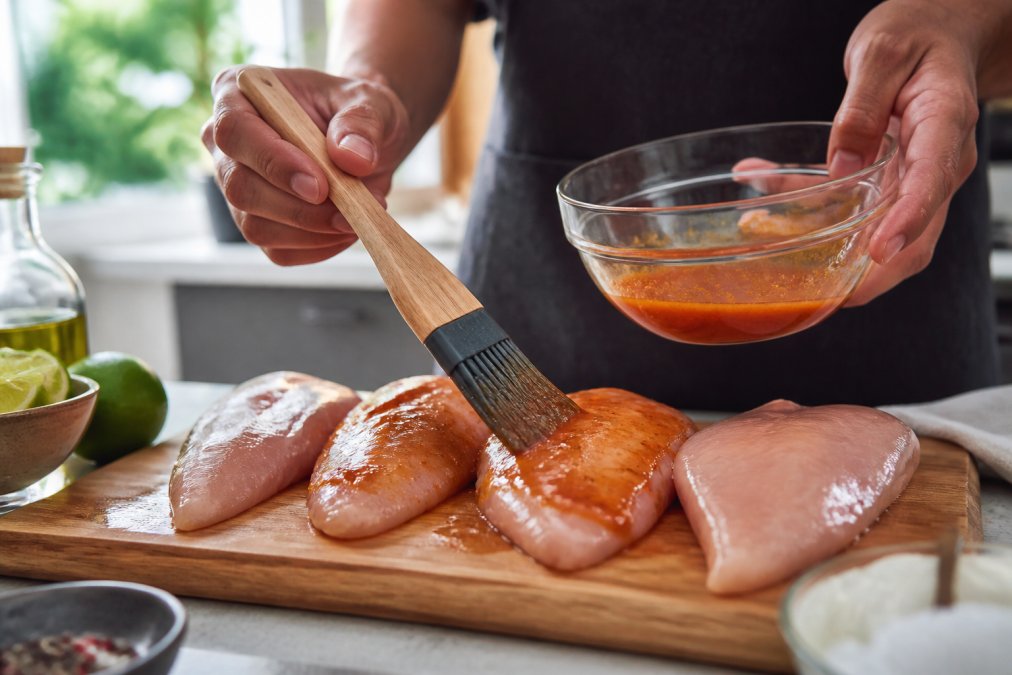
Glazes work similarly. Reduce hot sauce with honey or maple syrup to create a sticky glaze for grilled vegetables, wings, or roasted root vegetables. The sauce caramelizes under heat, developing deeper flavor while the sugars balance the spice.
Finishing Touches and Flavor Layering
The most sophisticated use of premium hot sauce is as a finishing element. A small spoon of sauce drizzled over soup, rice, or grain bowls adds brightness and heat without overwhelming the dish. Layering flavor means using hot sauce at multiple cooking stages, incorporate it into a marinade or cooking liquid, then add a fresh spoonful just before serving.
Hot sauce also works in dressings, salsas, and compound butters. Whisk it into vinaigrettes for salads. Blend it into mayo for sandwich spreads. Mix it with softened butter and fresh herbs to top grilled meats.
Why Depth of Flavor Matters More Than Heat Alone
Heat without flavor creates a one-note experience: your mouth burns, you reach for water, and the dish tastes like capsaicin rather than food. Depth of flavor creates a memorable eating experience that makes you want another bite.
Consider two scenarios. A sauce with high heat but no complexity delivers a sharp, aggressive sensation that fades quickly. A sauce with moderate heat and layered flavor, bright citrus notes, savory umami, subtle sweetness, herbal complexity, creates an evolving taste experience. The second sauce enhances your food. The first merely attacks it.
This is why premium hot sauce makers prioritize balance. The Rhino Doctor Reserve combines eight fermented chilies specifically to achieve flavor complexity that justifies its heat level. Each chili contributes distinct taste notes.
Heat alone also limits where you can use a sauce. A brutally spicy sauce only works for people with high spice tolerance and only for foods that can handle aggressive heat. A sauce with balanced heat and genuine flavor works across more dishes, more cuisines, and more palates. This versatility is what makes premium hot sauce a permanent pantry staple rather than a novelty item.
Choosing Premium Hot Sauce: What to Look For
Selecting premium hot sauce requires examining three key areas: ingredient transparency, flavor profile, and heat level alignment with your cooking style.
Start with the ingredient list. Premium sauces list recognizable whole foods in order of proportion. You should see chili pepper varieties by name, specific herbs, citrus, and spices. Avoid sauces listing vague terms like "spice blend" or "natural flavors."
Next, understand what flavor profile you need. Are you looking for brightness and freshness? Choose sauces highlighting citrus and green herbs. Do you prefer smoky, complex depth? Look for fermented chili blends or sauces using smoked peppers. Match the flavor profile to how you cook most frequently.
Heat level matters, but not in the way many people think. Rather than choosing the hottest option available, select a heat level that lets you taste the sauce's flavor complexity. A balanced medium-heat sauce with genuine flavor depth often provides more cooking value than an extreme-heat novelty.

Consider versatility. Will this sauce work across multiple dishes and cuisines, or does it fit only specific applications? Premium sauces that balance heat with flavor tend to be more versatile.
Finally, investigate the maker's philosophy. Does the brand prioritize flavor or just heat? Do they source quality ingredients or cut corners? Are they transparent about their process? Craft hot sauce makers typically share their story, their ingredient sourcing, and their approach to flavor.
Small-Batch Craft Versus Mass Production
The difference between small-batch craft hot sauce and mass-produced versions reflects fundamental choices about ingredients, process, and purpose.
Small-batch makers prioritize flavor and work with smaller ingredient volumes, allowing for more careful sourcing and quality control. They may ferment sauces for weeks or months, developing complexity that rushed production cannot achieve. Batch sizes stay small enough that makers can taste and adjust recipes, ensuring consistency and quality.
Mass-produced sauces optimize for cost efficiency and shelf stability. They use fewer ingredients, often relying on vinegar for preservation rather than fermentation. Production happens quickly to maximize output. The result is affordable but often one-dimensional.
The trade-off is straightforward: small-batch craft sauces deliver flavor depth and versatility that justify the investment. You use them more frequently across more dishes because they actually enhance food rather than simply adding heat. Horn & Heat represents the small-batch approach: chef-crafted recipes, fermented chili blends, and a philosophy that heat alone does not make good hot sauce.
When choosing between small-batch and mass-produced options, consider how often you actually use hot sauce. Most home cooks who taste genuinely premium hot sauce discover they use it far more frequently than they expected, which makes the investment worthwhile.
Sustainability and Ingredient Transparency
Premium hot sauce makers increasingly prioritize transparency about ingredient sourcing, production practices, and supply chain ethics. This commitment reflects both quality consciousness and responsibility to communities where ingredients originate.
Transparency starts with knowing where chilies come from. Premium brands often source from specific regions known for particular pepper varieties. They may work directly with farmers rather than through commodity brokers, ensuring fair prices and consistent quality.
Fermentation practices deserve attention too. How long does the sauce ferment? What conditions support fermentation? Brands transparent about their fermentation timeline demonstrate confidence in their process.
Beyond ingredients, consider the brand's broader mission and impact. Horn & Heat partners with wildlife veterinarian Dr. Liam Smit and supports rhino conservation through the Rockwood Conservation Fund. A portion of sales directly supports care for orphaned rhinos in South Africa. This purpose-driven approach means your sauce purchase contributes to something beyond your kitchen.
When evaluating premium hot sauce brands, transparency about sourcing, production, and impact provides confidence that you're supporting makers who prioritize quality and responsibility.
Comparison Table: Premium Hot Sauce Options
Sauce |
Heat Level |
Flavor Profile |
Best For |
Key Strength |
|---|---|---|---|---|
Rhino Baby |
Mild |
Fresh, bright, herbal |
Families, beginners, fresh dishes |
Approachable complexity without intensity |
Rhino Gold |
Medium |
Balanced, versatile, deep |
Everyday cooking across cuisines |
Works on nearly everything |
Rhino Doctor Reserve |
Hot |
Complex, fermented, layered |
Heat enthusiasts, marinades, glazes |
Eight-chili depth and sophistication |
Medium-Hot |
Sweet, fruity, slow-building |
Breakfast, appetizers, grilled foods |
Unique sweet-heat balance |
Premium hot sauce separates itself through flavor depth, ingredient quality, and versatility. Heat alone creates a one-dimensional experience. Balanced flavor profiles that layer brightness, savory complexity, and controlled warmth transform how you cook and eat.
When selecting premium hot sauce, prioritize ingredient transparency, flavor profile alignment with your cooking style, and heat levels that let you taste the maker's craft. Small-batch sauces deliver genuine flavor value through repeated use across diverse dishes. Brands transparent about sourcing and committed to responsible practices, like Horn & Heat's partnership with wildlife conservation, offer confidence that your purchase reflects quality and purpose.
Explore the full range of craft hot sauce at https://hornandheat.com, from the fresh, mild complexity of Rhino Baby through the everyday versatility of Rhino Gold to the bold, fermented depth of Rhino Doctor Reserve. Each sauce demonstrates how intentional ingredient selection and flavor-first philosophy create sauces that enhance food rather than simply deliver heat.
Frequently Asked Questions
What distinguishes a premium hot sauce from standard vinegar-based sauces?
Premium hot sauce combines multiple fermented chili varieties, fresh herbs, citrus, and seasonings to create layered flavor and complexity. Standard vinegar-based sauces often rely on a single chili and vinegar for both heat and taste. The difference is depth: premium sauces are crafted to enhance dishes throughout the cooking process, not just add heat at the end. Quality ingredients and balanced flavor profiles separate premium options from one-dimensional condiments.
Can premium hot sauce be used as a cooking ingredient, not just a topping?
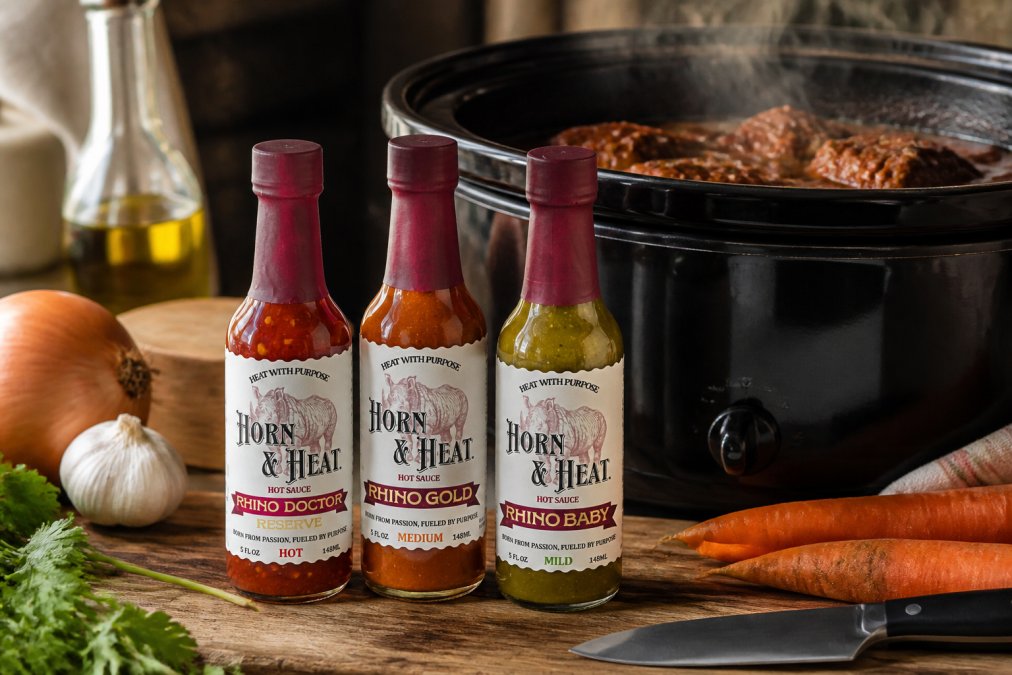
Yes. Premium hot sauce works as a marinade base, glaze ingredient, dressing component, or finishing sauce because it has flavor complexity beyond heat. You can build it into barbecue glazes, mix it into salad dressings, or layer it into slow-cooked dishes where the flavors meld with other ingredients. This versatility is what separates premium sauces designed for real cooking from basic condiments meant only for drizzling.
How do fresh herbs and citrus impact the quality of hot sauce?
Fresh herbs and citrus add brightness, balance, and complexity that vinegar alone cannot provide. Herbs like cilantro introduce subtle herbal notes, while lime or white wine vinegar adds lift without overwhelming the palate. These elements work together to create a sauce with multiple flavor layers: the initial heat, the middle notes from herbs and spices, and a clean finish. This balance is what makes a hot sauce taste crafted rather than one-dimensional.
Why is depth of flavor more important than heat level in hot sauce?
Heat without flavor becomes painful rather than enjoyable. A sauce with genuine depth—from fermented chilies, quality spices, and balanced ingredients—remains pleasant even at higher heat levels because the flavor carries the experience. Depth also makes the sauce useful across different dishes and cooking styles. A shallow, one-note hot sauce with high heat limits your options; a flavorful premium sauce works in marinades, on eggs, with grilled vegetables, and in countless other applications.