
Benefits of Using Small Batch Cooking Sauces
Table of Contents
- What Makes Small Batch Cooking Sauces Different
- Artisanal Hot Sauce Benefits: Flavor Concentration and Ingredient Transparency
- How to Use Hot Sauce in Cooking Beyond the Condiment
- Cost Per Serving and Food Waste Reduction
- Portion Control, Storage, and Shelf Life
- Equipment and Small Batch Technique for Home Cooks
- Choosing Small Batch Cooking Sauces for Your Kitchen
- Conclusion
- Frequently Asked Questions
Last Updated: September 10, 2026
What Makes Small Batch Cooking Sauces Different
Small batch cooking sauces are sauces produced in limited quantities, where each batch is made with closer attention to ingredient quality, flavor balance, and consistency than mass-produced alternatives. The difference shows up in the bottle: fewer stabilizers, more deliberate layering, and a flavor profile built to hold up in a hot pan rather than just on top of a finished plate.
That distinction matters for anyone who treats hot sauce as an ingredient rather than a garnish. This guide from Horn & Heat breaks down the practical benefits, from flavor concentration to food waste reduction, and explains how to get more out of every bottle.

The category is growing because home cooks have started reading labels differently. According to USDA Economic Research Service food labeling research, ingredient transparency has become a deciding factor for a large share of grocery purchases. Small batch producers tend to list recognizable ingredients because they have nothing to hide behind.
Artisanal Hot Sauce Benefits: Flavor Concentration and Ingredient Transparency
Artisanal hot sauce benefits come down to two things: concentrated flavor and a short ingredient list. When a producer makes sauce in small quantities, they can afford to use whole chilies, real vinegar, and fresh aromatics instead of extracts, dyes, and thickeners.

Ingredient transparency is the other half of the equation. A short label tells you exactly what you are tasting. That matters if you are managing sodium intake, avoiding artificial additives, or simply want to know whether the sweetness in a bottle comes from honey or from corn syrup.
Why Fermentation and Simmering Build Deeper Flavor
Fermentation and simmering do different jobs, and good small batch sauces often use both. Fermentation lets naturally occurring microbes break down sugars and starches in chilies over days or weeks, producing acidity and complex savory notes that raw peppers do not have (peer-reviewed research). Simmering then reduces water content, concentrating flavor and helping the sauce thicken without added starch.
Reduction is where technique matters most. As a sauce simmers, water evaporates and the remaining solids, sugars, and acids become more concentrated. That is why a reduced sauce tastes fuller: the same spoonful carries more flavor compounds. Heat level also shifts during reduction, since capsaicin stays in the sauce while water leaves, so a sauce can taste noticeably hotter after a long simmer.
How to Use Hot Sauce in Cooking Beyond the Condiment
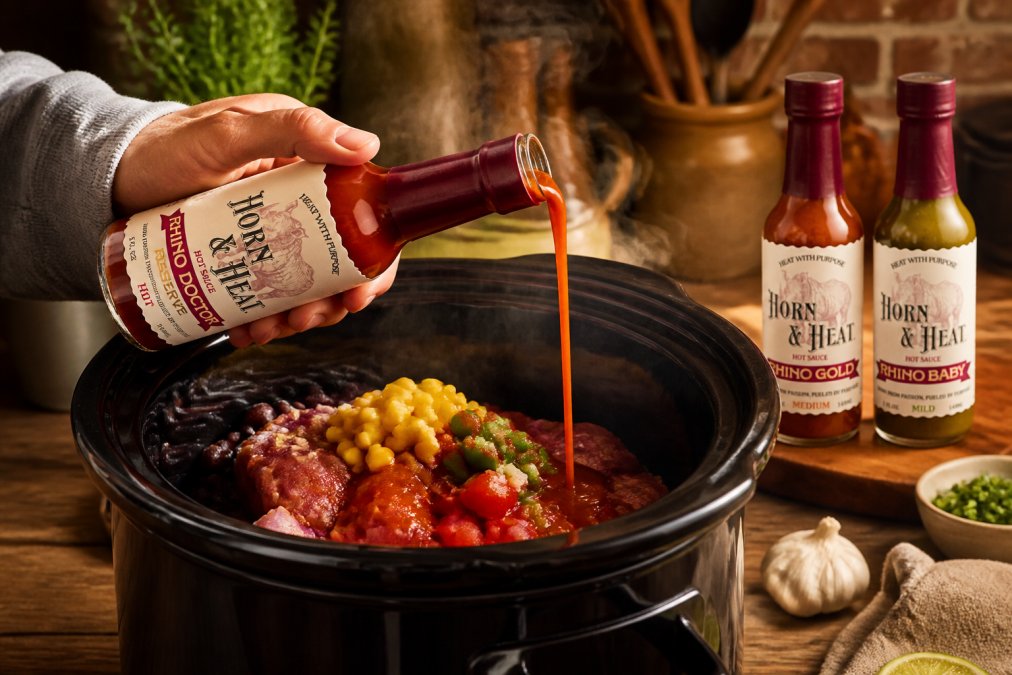
Hot sauce earns its place in the kitchen when it goes into the pan, not just onto the plate. Small batch cooking sauces work as marinades, glazes, dressings, and finishing sauces because their flavor is built to survive heat and blend with other ingredients.
Marinades, Glazes, Dressings, and Finishing Sauces
Each application calls for a different approach:
- Marinades: Mix hot sauce with oil and an acid, then let proteins sit for at least 30 minutes. The acid tenderizes while the chili flavor penetrates.
- Glazes: Brush sauce on during the last few minutes of grilling or roasting. Sugar-heavy glazes burn quickly, so timing matters more than quantity.
- Dressings: Whisk hot sauce into oil and vinegar for grain bowls, slaws, and roasted vegetables. A little goes further than expected.
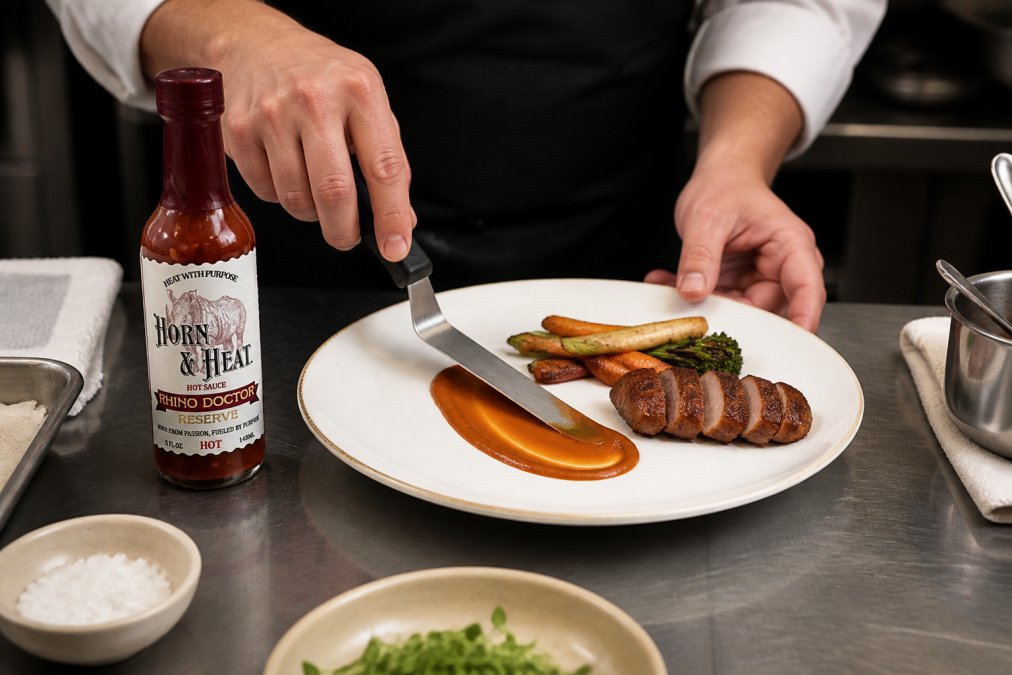
- Finishing sauces: Add at the table to preserve volatile aromatics that cooking would otherwise drive off.
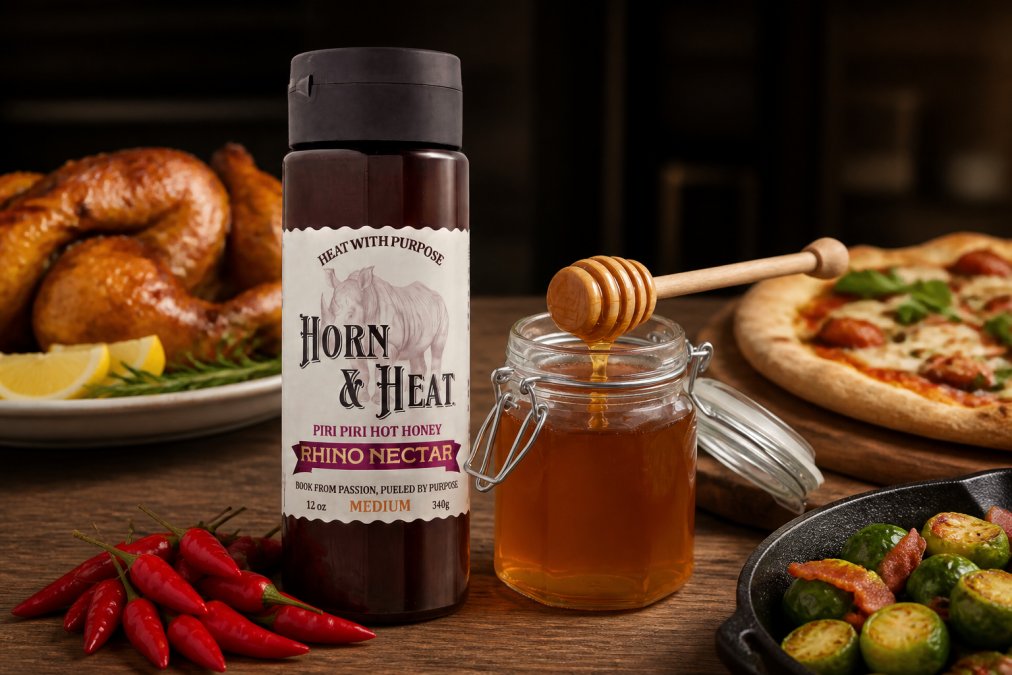
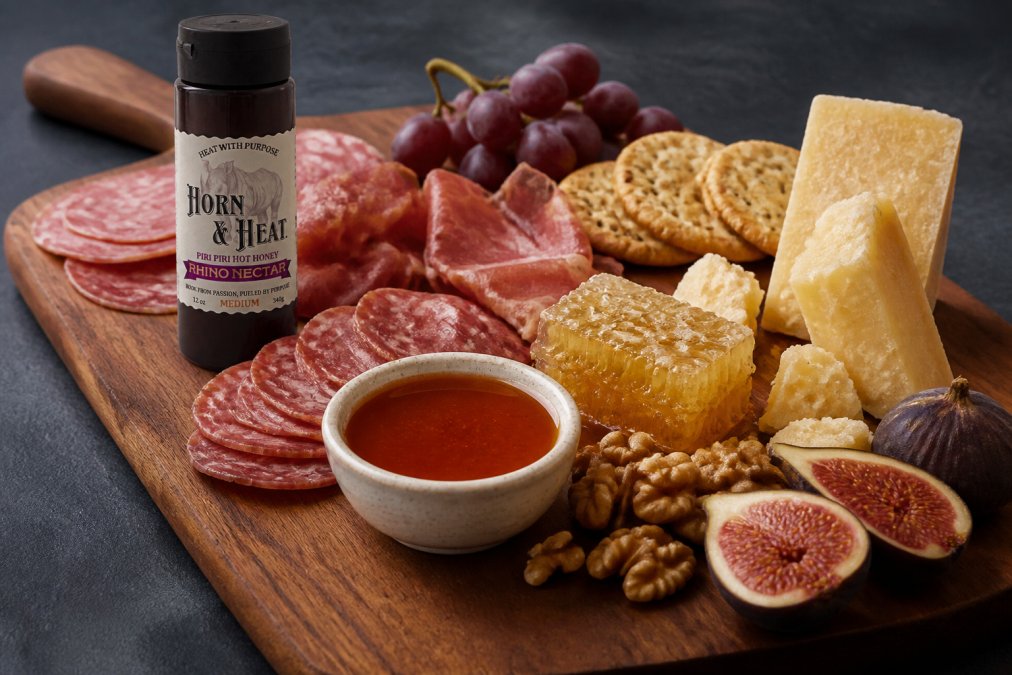
For a medium-heat option that works across all four applications, Rhino Gold Hot Sauce is the most versatile bottle in the Horn & Heat lineup. For a sweeter application, Rhino Nectar Piri Piri Hot Honey drizzles well over pizza, fried chicken, and roasted vegetables.
Cost Per Serving and Food Waste Reduction
Cost per serving is where small batch sauces quietly outperform their reputation for being expensive. The math is simple: a bottle used as an ingredient across multiple meals costs far less per plate than a bottle that sits in the door of the fridge until it expires. A sauce that flavors six dinners spreads its cost across six plates; a sauce used once as a garnish does not.
The mechanism behind that spread is concentration. Because a reduced sauce carries more flavor compounds per spoonful, you need less of it to season a whole pan of vegetables or a pound of protein. That is the difference between a bottle that lasts a month and one that lasts a week.
Food waste reduction works the same way. A versatile sauce gives new life to leftovers and plain vegetables that would otherwise be discarded. Roasted cauliflower, leftover rice, and tired greens all become more appealing with a spoonful of something flavorful. The sauce does not rescue spoiled food, but it does rescue food that is merely boring, which is the more common reason good ingredients end up in the trash.
The Energy Cost of Reduction
There is a second cost most articles ignore: the energy used to make a sauce in the first place. A small batch reduction typically simmers for 15 to 30 minutes, while a large-scale commercial cook can run for hours. Running a home burner for a short simmer draws far less energy than a long cook, and the difference shows up on a utility bill over a year of regular cooking. The savings are modest per batch, but they compound the same way the flavor does.
Benefit |
How It Works |
Practical Impact |
|---|---|---|
Cost per serving |
One bottle flavors many meals |
Lower spend per plate |
Food waste reduction |
Leftovers get a second use |
Less produce thrown out |
Portion control |
Measured pours replace guesswork |
Consistent flavor, less overuse |
Flavor concentration |
Reduction carries more flavor per spoon |
Smaller amounts needed |
Energy use |
Short simmers replace long cooks |
Lower utility draw per batch |
Portion Control, Storage, and Shelf Life
Portion control starts with the bottle itself. A sauce with concentrated flavor needs less per serving, which makes it easier to season food deliberately rather than dumping and hoping. Start with a small pour, taste, and add more. That habit does more for consistent results than any measuring tool.
Storage and shelf life depend on the sauce, and the details matter more than most guides admit. Vinegar-based sauces tend to be shelf-stable before opening and keep well in the refrigerator afterward. Honey-based products like Rhino Nectar Piri Piri Hot Honey should be stored according to the label, since honey can crystallize in cool temperatures. Always check the bottle for specific guidance, and treat the label as the authority over any general rule.
Cooling and Storing Small Batches Safely
If you make or repackage a sauce at home, the cooling step is where most problems begin. A large pot of hot sauce left on the counter cools slowly, and the middle of the pot can sit in a temperature range where bacteria multiply quickly for hours (fsis.usda.gov). The fix is to spread the sauce into shallow containers so more surface area is exposed, or to set the pot in an ice bath and stir until it drops out of the danger zone before refrigerating.

A few habits prevent most spoilage:
- Cool sauce quickly and refrigerate promptly rather than letting it sit out overnight
- Use clean jars or squeeze bottles, and avoid introducing a dirty spoon into the bottle
- Keep the rim and cap clean, since residue on the threads lets air and contaminants in
- Label the container with the date so you can track how long it has been open
- Trust your senses: an off smell, color shift, or fizzing is a reason to discard, not to taste
Freezing and Long-Term Storage
Freezing extends shelf life but changes texture. Water-based sauces freeze solid and thaw with some separation, which a quick whisk usually fixes. Oil-forward or honey-based sauces behave differently and may not freeze evenly. If you freeze portions, leave headspace in the container because liquid expands as it freezes, and thaw in the refrigerator rather than at room temperature. For everyday cooking, refrigeration plus clean handling covers most needs; freezing is best reserved for batches you will not finish within a few weeks.
Equipment and Small Batch Technique for Home Cooks
You do not need professional equipment to work with small batch sauces well. What you need is the right pan, the right heat, and a willingness to taste as you go.
Equipment optimization for small batches comes down to a few basics:
- A heavy-bottomed skillet or saucepan for even heat distribution during reduction
- A silicone spatula to scrape down the sides and prevent scorching
- A small whisk for emulsification when combining sauce with oil
- Glass jars or squeeze bottles for storage
Technique matters as much as tools. Sautéing aromatics before adding sauce builds a base layer of flavor. Simmering gently rather than boiling preserves delicate notes. Emulsification, achieved by whisking sauce into oil slowly, creates dressings that cling to food instead of pooling at the bottom of the bowl.
Choosing Small Batch Cooking Sauces for Your Kitchen
Choosing well means reading the label and thinking about how you actually cook. A sauce you use three times a week is worth more than a hotter bottle you open once a month.
Start with heat level. If spicy food is not a regular habit, a mild sauce like Rhino Baby Hot Sauce delivers brightness without overwhelming a dish. If heat is the point, Rhino Doctor Reserve Hot Sauce brings a bolder, slower-building profile. The Horn & Heat Hot Sauce Trio covers the full range in one purchase.
Conclusion
The real challenge with small batch cooking sauces is not finding one, it is building the habit of using it as an ingredient rather than a topping. Horn & Heat makes that easier with chef-crafted sauces designed for the whole cooking process, from the marinade to the final drizzle. The full lineup spans mild to hot, and every bottle supports rhino conservation through the Rockwood Conservation Fund. Explore the Hot Sauce Trio or the Starter Pack and start cooking with flavor that earns its place on the counter.
Frequently Asked Questions
What are the benefits of small batch products?
Small batch products typically offer more concentrated flavor, fewer artificial additives, and greater ingredient transparency. Because they are made in smaller quantities, producers can focus on quality control and adjust recipes for balance rather than shelf stability alone. For home cooks, this means a sauce that tastes like real ingredients instead of vinegar and filler. Small batch cooking sauces also tend to use fresh produce and traditional techniques like simmering and reduction, which build depth that mass-produced versions often skip.
What makes small batch cooking sauces different from mass-produced brands?
The main differences are scale, ingredient sourcing, and production method. Mass-produced sauces are formulated for long shelf life and low cost, which often means preservatives, hidden sugars, and diluted flavor. Small batch sauces are made in smaller runs, so producers can prioritize flavor concentration and culinary flexibility. They also tend to be preservative-free or use natural preservation like acid and salt. The result is a sauce with a clearer flavor profile that works as a cooking ingredient, not just a topping.
How does small batch production impact the flavor profile of a sauce?
Small batch production allows for slower cooking times, more careful ingredient ratios, and techniques like fermentation, simmering, and emulsification. These methods develop complex layers of flavor that are difficult to achieve at industrial scale. For example, fermented chilies add depth and umami, while a slow reduction concentrates natural sweetness and heat. The flavor profile ends up more balanced, with heat that supports the food rather than overpowering it. This is why artisanal hot sauce benefits often include a longer, more deliberate finish.
Are small batch sauces better for home cooking versatility?
Yes, in most cases. Small batch sauces are designed with culinary flexibility in mind, so they work across marinades, glazes, dressings, and finishing sauces. Because the flavor is balanced rather than one-note, you can use them in weeknight cooking without rethinking the whole dish. They also hold up well in reheating and batch cooking, keeping texture consistency and flavor intact. A versatile sauce like Rhino Gold, for instance, is built to go on just about everything, from tacos to grilled meals to pasta sauce.