

How to Make a Gluten Free Spicy BBQ Rub
Table of Contents
- Why a Homemade Gluten Free Spicy BBQ Rub Beats Store-Bought
- Gluten-Free BBQ Seasoning Ingredients You Need
- How to Verify Every Ingredient Is Gluten-Free
- How to Adjust Spice Level in a Dry Rub
- How to Use Dry Rub on Ribs
- Building a Spicy BBQ Rub for Chicken
- Batch Size, Storage, and Shelf Life
- Conclusion
- Frequently Asked Questions
Last Updated: October 20, 2026
Why a Homemade Gluten Free Spicy BBQ Rub Beats Store-Bought
Learning how to make a gluten free spicy bbq rub gives you full control over what lands on the grill.
The payoff goes beyond safety. You taste each layer as you add it, so the finished blend matches your palate instead of a factory average.
Below, you'll find the ingredient list, a gluten check, heat adjustments, and how to apply the rub to ribs and chicken.
Gluten-Free BBQ Seasoning Ingredients You Need
A gluten-free BBQ seasoning starts with single-ingredient spices, not pre-mixed blends, because single spices are easier to verify and adjust. Here is the working list for a spicy BBQ rub:
- Brown sugar for sweetness and caramelization
- Paprika and smoked paprika for color and depth
- Cayenne pepper for clean, sharp heat
Skip anything labeled "seasoning blend" or "grill seasoning" unless the label confirms gluten-free status. Those products often include wheat-based fillers or soy sauce powder.
The Sweet Base: Brown Sugar and Paprika
Brown sugar does two jobs in a dry rub: it balances the burn from the cayenne and helps build a dark, glossy crust on the grill.
Paprika carries the color. Sweet paprika keeps things mild. Smoked paprika adds a campfire depth that pairs well with grilled meat.
Keep the sugar ratio modest. Too much sugar scorches over high heat, and that bitter taste ruins the crust.
The Heat Layer: Cayenne, Chili Powder, and Black Pepper
Cayenne is the engine of a spicy BBQ rub. It delivers heat without adding much flavor of its own, so the other spices speak.
Chili powder is a blend by nature, so check its label for gluten. A pure ground chile powder is safer than a "chili seasoning" mix.
Layer all three. Heat from one source tastes flat; heat from three feels rounder and more interesting.
The Savory Backbone: Garlic, Onion, Salt, and Mustard
Garlic powder and onion powder give the rub its savory spine and help the crust form. Use powders, not garlic salt, so you control the sodium.
Kosher salt is easy to measure and dissolves evenly. Dry mustard adds a quiet tang that cuts through the sugar.
How to Verify Every Ingredient Is Gluten-Free
Verifying gluten-free status comes down to reading labels and avoiding cross-contamination. Gluten hides in fillers, thickeners, and flavorings, not in the spices themselves. Pure paprika, cayenne, and black pepper are naturally gluten-free.
Here is a practical checklist:
- Buy single-ingredient spices, not blends
- Read the full label for wheat, barley, rye, malt, or "modified food starch"
- Look for a certified gluten-free mark when available
The FDA guidance on gluten-free food labeling sets the rules for what "gluten-free" means on a package. A product labeled gluten-free must meet those limits, which makes the claim a useful filter.
The Ingredients That Actually Hide Gluten
Most spices in a barbecue rub are single-ingredient and naturally gluten-free. The risk sits in a short list of products:
- Seasoning blends and grill seasonings. These are the biggest offender. A blend labeled "chili seasoning," "taco seasoning," or "grill seasoning" can include wheat flour or soy sauce powder as a carrier or flavor base. Buy single chile powders and build the blend yourself.
- Worcestershire sauce. Traditional Worcestershire is built on barley malt vinegar, which contains gluten. If a rub or marinade calls for it, look for a gluten-free Worcestershire or leave it out.
- Soy sauce and soy sauce powder. Standard soy sauce is brewed with wheat. Tamari is often, but not always, gluten-free, so check the label rather than assuming.
Certified Gluten-Free vs. Facility Statements
These two labels are not the same, and the difference matters for a rub you plan to share or store.
A certified gluten-free mark from a third-party program means the product has been tested and verified against a gluten threshold, the strongest signal on a package.
A "gluten-free" claim means the manufacturer states the product meets the FDA's definition.
A facility statement such as "made in a facility that also processes wheat" is a disclosure, not a guarantee.
Cross-Contact in Your Own Kitchen
Cross-contamination is the sneaky part. A shared toaster, a dusty spice shelf, or a scoop that touched flour can undo your work. Store your finished rub in a clean jar with a tight lid.
A few habits keep a gluten-free rub reliable:
- Keep a separate measuring spoon and funnel for gluten-free mixes, and do not return a wet or used spoon to the jar
- Wipe the counter and the scale before mixing, especially if flour was used nearby
- Store the finished rub above, not below, any open flour or baking supplies
How to Adjust Spice Level in a Dry Rub
Adjusting spice level in a dry rub means moving one variable at a time: the cayenne. Everything else stays fixed so the flavor stays balanced.
A simple approach:
- Build the full batch without cayenne
- Divide it into small bowls
- Add cayenne to each bowl in different amounts
- Taste each on a neutral cracker or a piece of plain chicken
- Pick the level you like and scale that ratio to a full batch
For a milder rub, cut the cayenne and lean on smoked paprika for depth.
Remember that grilling mutes heat slightly. A rub that tastes hot raw will taste a touch gentler after it hits the coals.
Specific Heat Adjustments and Substitutions
Most home cooks find a quarter teaspoon of cayenne per cup of finished rub reads as gentle warmth, a half teaspoon as clear medium, and a full teaspoon as firm hot.
If you want to change the character of the heat, not just the amount, swap the source:
- Chipotle powder replaces part of the cayenne for a smoky, rounded heat with less sharpness. Use roughly one and a half times the cayenne amount, because chipotle is milder by volume.
- Ancho powder brings a fruity, raisin-like warmth with very little burn. It is a good way to add chile flavor for people who want the taste of a spicy rub without the sting.
- Guajillo powder sits between ancho and cayenne, with a clean, bright heat that suits chicken and pork.
- Crushed red pepper adds a flaky, uneven heat that some cooks prefer on ribs, but it can burn in spots on a hot grate, so keep it under the sugar layer.
A common pattern is to build heat in two layers: chili powder for rounded warmth, then cayenne for the sharp top note. That gives you a dial you can turn without rebuilding the blend.
Scaling Heat Without Scaling Sugar
When you double a batch, do not double the cayenne by reflex. A double batch at the same ratio often tastes hotter because there is more total cayenne on each piece of meat. Mix at the original ratio, taste, then add cayenne in quarter-teaspoon steps until it matches the heat you remember. The same logic applies in reverse when you halve a batch.
How to Use Dry Rub on Ribs
Using dry rub on ribs means seasoning early and applying it evenly. Pat the ribs dry first.
Apply a thin, even coat on all sides. Press the rub in with your hands rather than sprinkling from above.
For baby back ribs, a lighter coat works well because the meat is thinner.
Watch the crust closely in the final stretch. If it darkens too fast, move the ribs to a cooler zone of the grill.
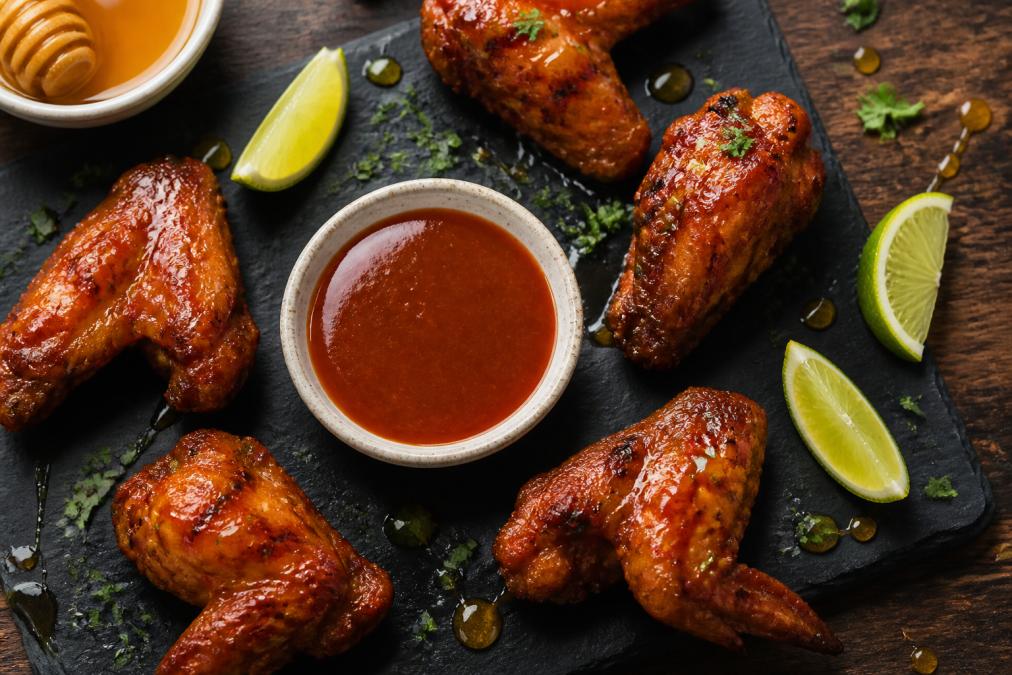
If you want to finish ribs with a glaze, a hot honey brings sweetness and a slow-building heat. Rhino Nectar Piri Piri Hot Honey starts floral and finishes warm, which layers nicely over a smoky rub.

Building a Spicy BBQ Rub for Chicken
A spicy BBQ rub for chicken needs less sugar than a pork rub.
Chicken also takes well to a rub with more acid-friendly spices. Dry mustard and black pepper both work here.
Breasts and thighs behave differently. Thighs handle a heavier coat and a hotter rub.
For a finishing sauce with real depth, Rhino Doctor Reserve Hot Sauce brings fermented chili complexity that stands up to grilled chicken without burying it.

Batch Size, Storage, and Shelf Life
Batch size depends on how fast you cook. A small batch made fresh every few weeks beats a giant jar that goes stale.
Storage rules are simple:
- Use a glass jar with a tight lid
- Keep it in a cool, dark cabinet
- Label the jar with the date you mixed it
- Keep a dry spoon in the jar, never a wet one
Moisture is the enemy. A wet spoon or a steamy kitchen causes clumps and dulls the flavor; if the rub cakes, replace it.
Shelf life varies with the freshness of your spices. Whole spices last longer than ground ones.
The USDA food safety guidance on pantry storage covers general storage conditions for dry goods and is a useful reference for keeping your spice shelf in good shape.
Conclusion
The real challenge with a homemade rub is not the recipe but building the habit of checking labels every time you restock a spice. That habit keeps your spicy BBQ rub reliably gluten-free and the flavor fresh.
Horn & Heat makes finishing sauces that pair well with a rub you build yourself, and every bottle supports rhino conservation through the Rockwood Conservation Fund. Start with the Horn & Heat Sweet Heat Bundle to pair a hot honey with a hot sauce at your preferred heat level, or browse the full lineup to find the bottle that fits your grill.

Frequently Asked Questions
How can I check whether BBQ rub ingredients are gluten-free?
Read every label, including single-ingredient spices. Gluten can hide in spice blends, anti-caking agents, and cross-contamination during milling. Look for a certified gluten-free seal from a third-party certifier, then check the allergen statement. If a spice jar lists only the spice and no additives, it is usually safe, but call the manufacturer if the facility also processes wheat. Build your spicy BBQ rub from individually labeled single spices rather than pre-mixed blends to keep the paper trail clear.
How do you adjust the heat in a homemade spicy BBQ rub?
Start with a baseline amount of cayenne and chili powder, then taste a small pinch mixed into a spoon of the full batch before you commit. To raise heat, add cayenne in small increments. To lower it, increase brown sugar or paprika, which adds bulk and sweetness without more burn. Swapping smoked paprika for hot paprika changes both heat and smoke. Keep notes on each batch so you can repeat the ratio you liked, and remember that heat mellows slightly after the rub sits on meat overnight.
How long should a dry rub sit on meat before cooking?
For chicken, 30 minutes to 2 hours in the refrigerator is enough to season the surface. For ribs and pork shoulder, apply the rub the night before and let it sit covered in the fridge for 8 to 24 hours. The salt in the rub draws moisture out and then back in, carrying the spices with it. Pat the meat dry before applying so the rub adheres, and do not rinse it off before cooking.
Can you use a spicy BBQ rub on chicken, pork, or vegetables?
Yes. The same base works across proteins and vegetables, but application changes. Chicken benefits from a lighter coat and a shorter rest because the rub can scorch on a hot grill. Pork shoulder and ribs take a heavier coat and a long rest. For vegetables, toss in oil first, then dust lightly, since a heavy rub overwhelms milder flavors. If you want to finish with a sauce, Horn & Heat's Rhino Nectar Piri Piri Hot Honey adds floral sweetness and slow heat that pairs well with a spicy rub.