
How to Make Piri Piri Chicken on the Grill
Table of Contents
- What Is Piri Piri Chicken
- Best Spicy Cooking Ingredients for Piri Piri Marinade
- How to Use Hot Honey in Marinades for Depth
- Preparing and Marinating Your Chicken
- Grill Heat Management for Sugar-Based Sauces
- Grilling Chicken to the Right Internal Temperature
- Resting, Serving, and Storage
- Frequently Asked Questions
Last Updated: September 18, 2026
What Is Piri Piri Chicken
Piri piri chicken is a Portuguese-inspired grilled dish featuring bone-in chicken marinated in a fiery sauce made from African Bird's Eye chili peppers, citrus, garlic, and spices. The name comes from the Swahili word "piri," meaning pepper, and the dish has roots in both Portuguese and Southern African cuisines. Learning how to make piri piri chicken on the grill means combining bold, layered heat with smoky char and tender, juicy meat.

The beauty of piri piri lies in its balance. It's not just about spice for spice's sake. The marinade builds flavor through acid, heat, and aromatics that work together to tenderize the chicken while infusing it with complexity. Grilling amplifies this effect, creating caramelization on the skin and a subtle smokiness that deepens the sauce's natural tang and heat.
What makes this preparation different from simple grilled chicken is the intentional interplay between the marinade's sweetness and acidity, the grill's dry heat, and the chicken's natural juices. Understanding how these elements interact is what separates a good result from an exceptional one.
Best Spicy Cooking Ingredients for Piri Piri Marinade
The foundation of authentic piri piri starts with understanding the role each ingredient plays, not just listing what goes in the bowl. The African Bird's Eye chili pepper is the traditional anchor, and there's a reason: these small peppers (roughly the size of a fingernail) deliver intense heat that builds slowly rather than hits immediately, with subtle fruity and floral undertones that linger. They're native to Africa and were brought to Portugal during the spice trade, which is why they define the dish's character.
Finding fresh African Bird's Eye peppers in most grocery stores is difficult. Your options are: specialty markets with strong African or Portuguese communities, online dried pepper suppliers, or substitution. If you substitute, understand the trade-off. Scotch bonnets are hotter and fruitier, pushing the flavor profile toward Caribbean heat. Habaneros are slightly less intense and more vegetal. Thai bird's eye peppers are similar in heat but lack the fruity depth. If you can't find African Bird's Eye peppers fresh, dried versions (rehydrated in warm water) preserve the flavor better than most substitutes.
Beyond the peppers, a proper piri piri marinade includes:
- Garlic cloves, minced or crushed to release oils and create depth. Fresh garlic is non-negotiable; garlic powder tastes flat by comparison and won't tenderize the chicken the way fresh enzymes do.
- Citrus juice, lemon or lime provides acidity that tenderizes and brightens. Fresh-squeezed juice carries brightness that bottled juice cannot match. The acid breaks down the chicken's muscle fibers, making the meat more tender while the marinade penetrates deeper. This is why marinating time matters so much with piri piri.
- Olive oil, carries fat-soluble flavors and prevents the chicken from drying. Use a quality oil you'd eat on its own; cheap oil tastes rancid when heated on the grill.
- Smoked paprika, adds earthy complexity without overwhelming heat. This is the bridge ingredient that ties the peppers' heat to deeper, savory notes.
- Salt, enhances all other flavors and aids in moisture retention during cooking.
Many home cooks skip quality ingredients and wonder why their results feel flat. The difference between a generic hot sauce and a balanced piri piri marinade comes down to ingredient freshness and proportion. Fresh garlic tastes nothing like powder. Fresh citrus juice carries brightness that bottled juice cannot match. A single stale spice can flatten the entire marinade.
tip Toast your smoked paprika briefly in a dry pan before adding it to your marinade. This releases its oils and intensifies the flavor without adding heat. Do the same with any whole spices like coriander seeds or black peppercorns if you're using them.
If you're working with dried African Bird's Eye peppers, rehydrate them in hot water for 15-20 minutes until they're soft, then blend them into a paste with the soaking liquid. This preserves the pepper's flavor and the soaking liquid adds body to your marinade. Discard any stems or seeds that don't blend smoothly.
How to Use Hot Honey in Marinades for Depth
Hot honey transforms piri piri marinades by adding sweetness that balances heat and creates a glaze that caramelizes beautifully on the grill. Unlike sugar alone, honey brings floral notes and viscosity that help the marinade cling to the chicken and develop a sticky, caramelized exterior.
When using hot honey in a marinade, think of it as a supporting player, not the main ingredient. A tablespoon or two mixed into your base marinade adds complexity without overpowering the piri piri's natural character. The heat from the peppers and the sweetness from the honey create tension that keeps your palate engaged.
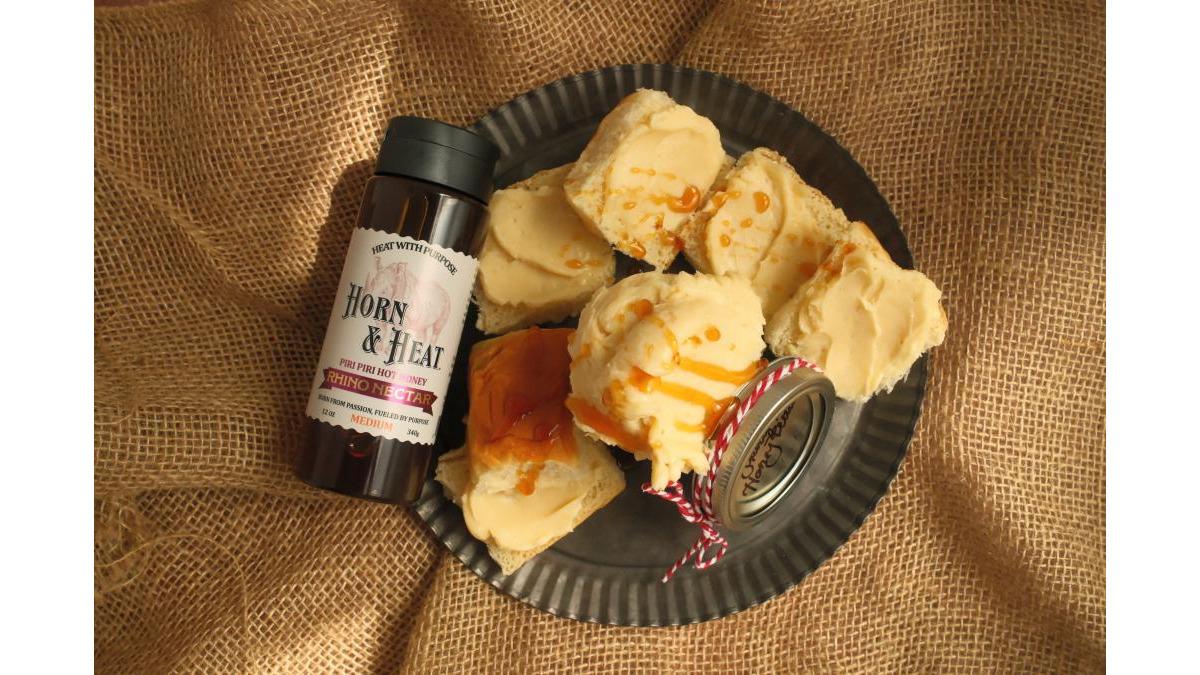
Horn & Heat's Rhino Nectar Piri Piri Hot Honey is specifically designed for this purpose. Made with wildflower honey and African Bird's Eye peppers, it starts with deep, floral sweetness and finishes with slow-building heat. You can use it as a component in a marinade or as a finishing glaze during the last few minutes of grilling.
The key is understanding when to apply it. Add hot honey to your base marinade for flavor depth, but reserve some to brush on during the final grilling phase. This prevents the honey from burning during the long cook while ensuring you get that caramelized finish in the last moments on the grill.
Preparing and Marinating Your Chicken
Start with bone-in, skin-on chicken thighs or a whole bird broken into parts. Bone-in chicken stays juicier than boneless cuts and the skin crisps beautifully on the grill. Pat the chicken dry with paper towels before marinating, excess surface moisture prevents the marinade from adhering properly.
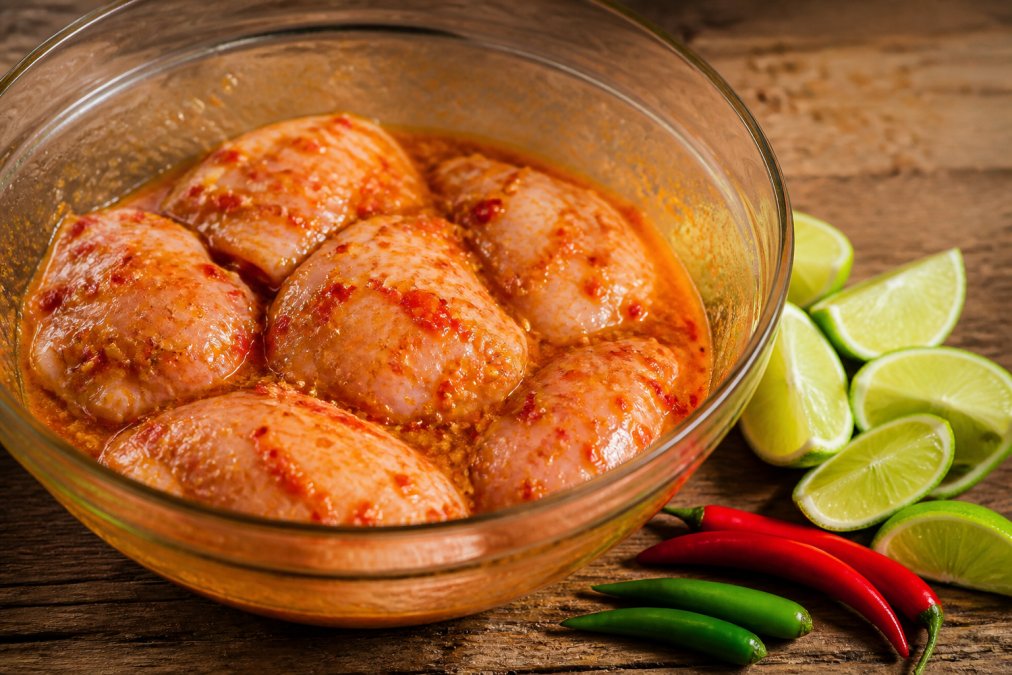
Combine your piri piri ingredients in a bowl. If using fresh African Bird's Eye peppers, mince them finely or blend them into a paste. Mix with minced garlic, citrus juice, olive oil, smoked paprika, and salt. The marinade should be loose enough to coat the chicken but thick enough to cling to the skin.
Place the chicken in a large zip-top bag or shallow dish and pour the marinade over it.
Marinating Time and Best Practices
The ideal marinating window for piri piri chicken is between 4 and 12 hours. At 4 hours, the flavors have penetrated the meat and the acid has begun tenderizing. Beyond 12 hours, the citrus acid can begin breaking down the muscle structure too aggressively, resulting in mushy texture rather than tender meat.
Grill Heat Management for Sugar-Based Sauces
This is where most home cooks struggle when learning how to make piri piri chicken on the grill. The marinade contains both peppers and, if you're using hot honey, sugar. Sugar burns at lower temperatures than proteins, which means your grill heat management becomes critical.
Grilling Chicken to the Right Internal Temperature
Internal temperature is the only reliable way to know when piri piri chicken is done. Use a meat thermometer inserted into the thickest part of the thigh without touching bone. Chicken is safe to eat at 165°F. However, thighs benefit from cooking to 170-175°F, where the collagen in the darker meat breaks down more completely, resulting in more tender, juicier texture.
Resting, Serving, and Storage
Let the grilled piri piri chicken rest for 5-10 minutes before serving. During this resting period, the muscle fibers relax and reabsorb juices that were pushed toward the surface during cooking. Skipping this step means those juices end up on the plate instead of in the meat. Tent the chicken loosely with foil to keep it warm without trapping steam that would soften the skin.
Serving and Flavor Balance
Piri piri chicken's bold, spicy character demands thoughtful side dishes that complement rather than compete. The best pairings are simple and slightly cool or neutral in flavor. Grilled vegetables like zucchini, bell peppers, or asparagus add texture without fighting the heat. Plain rice or couscous absorbs the marinade's oils and provides a cooling counterpoint. A fresh salad with lemon vinaigrette brightens the palate between bites.
Refrigeration and Reheating
Refrigerate leftover piri piri chicken in an airtight container for up to three days. The marinade's acid acts as a natural preservative and keeps the meat moist during storage. The flavor actually deepens slightly as the chicken sits, making day-two leftovers often better than day-one.
Frequently Asked Questions
How long should you marinate piri piri chicken before grilling?
Marinate bone-in chicken pieces for at least 4 hours, though 8 to 12 hours yields deeper flavor development. The acid in citrus juice and the heat from African Bird's Eye chili work together to tenderize the meat while infusing it with spice. Overnight marinating is ideal if your schedule allows. Avoid marinating longer than 24 hours, as extended acid exposure can make the texture mushy.
What internal temperature should piri piri chicken reach for food safety?
Chicken must reach 165°F (74°C) at the thickest part of the thigh, away from bone. Use a meat thermometer inserted into the thigh without touching bone for an accurate reading. Thighs take longer than breasts to cook through, so check multiple pieces. This temperature ensures harmful bacteria are eliminated while keeping the meat juicy.
How do you prevent piri piri sauce from burning on the grill?
Use indirect heat for much of the cook time, moving chicken away from direct flame once initial searing is complete. If your sauce contains honey or sugar, apply it during the final 5 to 10 minutes of grilling rather than at the start. Watch for excessive charring; a light char adds flavor, but black spots indicate too much direct heat. Baste with plain oil or marinade first, then add sauce-based glazes near the end.
Can you use hot honey in a piri piri marinade, and how?
Yes. Hot honey adds sweetness, heat, and viscosity to marinades, creating a glaze that caramelizes beautifully on the grill. Whisk hot honey with citrus juice, garlic, and spices to build a balanced marinade. Start with a small amount (1 to 2 tablespoons per cup of liquid) and adjust to taste, since honey concentrates as the chicken cooks. Rhino Nectar Piri Piri Hot Honey works particularly well because it's formulated with African Bird's Eye pepper and wildflower honey, delivering both sweetness and slow-building heat.