
Benefits of Using Hot Honey in Cooking: A 2026 Guide
Table of Contents
- What Hot Honey Brings to the Table
- How to Cook With Hot Honey Throughout a Dish
- Pairing Hot Honey With Proteins
- Hot Honey Beyond the Main Course: Vegetables, Cheese, and Breakfast
- What to Know About Heat, Sweetness, and Dietary Considerations
- Storing Hot Honey and Keeping It Shelf-Stable
- Choosing a Hot Honey That Earns Its Place in Your Kitchen
- Frequently Asked Questions
Last Updated: October 15, 2026
What Hot Honey Brings to the Table
The benefits of using hot honey in cooking start with balance. Hot honey is a sweetener infused with chili peppers, delivering sweetness and heat in the same spoonful. This guide covers how that combination changes a dish, where it works best, and how to store it.

Most condiments do one job: ketchup is sweet, mustard is sharp, hot sauce is heat. Hot honey does two at once, which is why cooks reach for it again and again.
Sweet First, Heat After: How the Flavor Profile Works
A well-made hot honey leads with sweetness, then lets the heat arrive a beat later. Sweetness hits the front of the palate and the chili follows, keeping the heat from overwhelming the first bite.
That delay changes what the honey can do. A drizzle enhances a finished plate; used earlier, it builds a spicy-sweet base a plain sweetener cannot match.
How to Cook With Hot Honey Throughout a Dish
Learning how to cook with hot honey is less about technique and more about timing. The same bottle can go on at the start, middle, or end of a dish, and each point of addition does something different.

- Early: stirred into a marinade or glaze base so the flavor cooks into the food
- Middle: brushed onto proteins or vegetables during roasting or grilling for a sticky finish
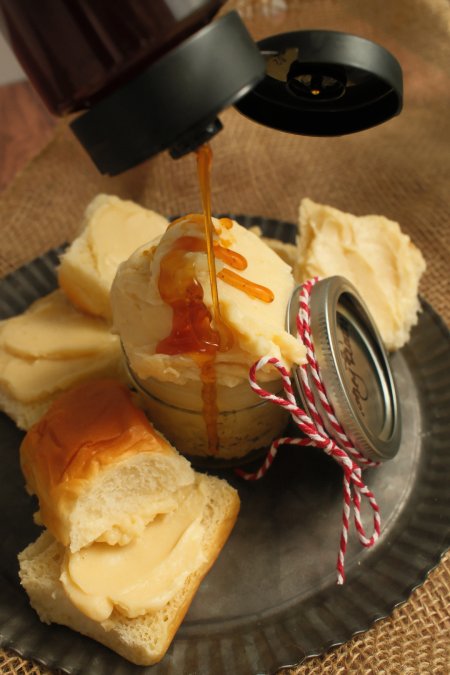
- Late: drizzled over a finished plate as a condiment
The mistake most cooks make is treating it only as a finishing touch.
Infusing, Glazing, and Drizzling: Three Ways to Use It
Three methods cover nearly every application: infusion, glazing, and drizzling. Glazing means brushing it onto food as it cooks, letting the sugars caramelize and the heat concentrate. Drizzling is simplest: a spoonful over the top, straight from the jar.
Pairing Hot Honey With Proteins
Pairing hot honey with proteins comes down to fat and contrast. Rich, savory foods stand up to sweetness and heat better than lean, delicate ones, because fat carries both flavors instead of letting one dominate.
Chicken, Pork, and Seafood: What Works and Why
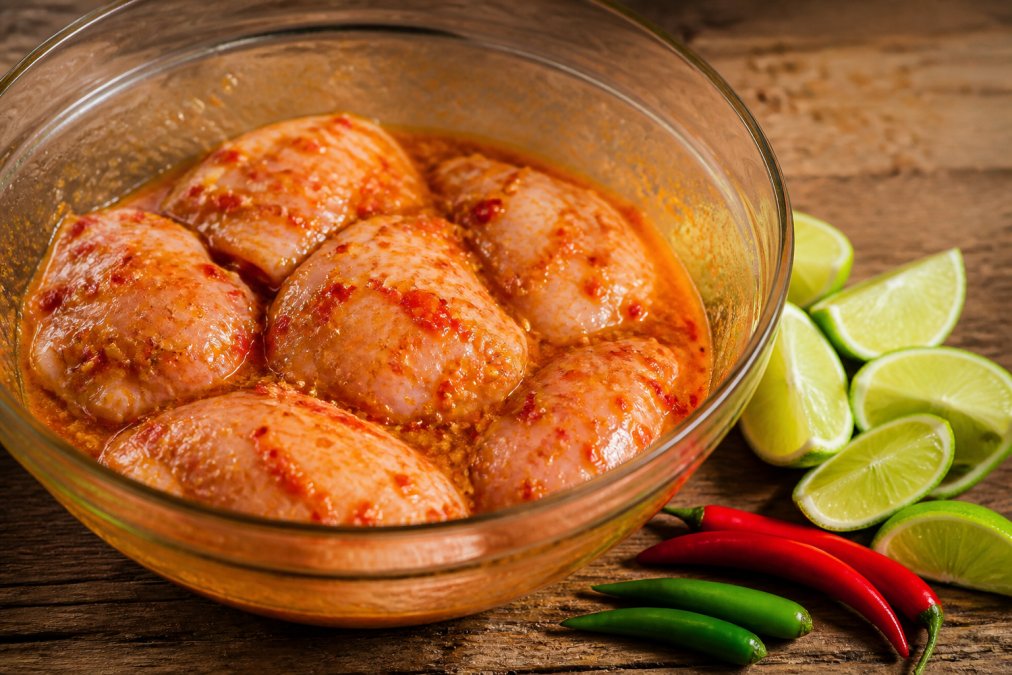
Chicken and pork are the easiest starting points: both have enough richness to handle a glaze and take well to a spicy-sweet finish. Seafood is a narrower fit. Mild white fish gets lost under a heavy drizzle, while shrimp and salmon hold their own.
Hot Honey Beyond the Main Course: Vegetables, Cheese, and Breakfast
Vegetables, cheese, and breakfast foods are where hot honey surprises people most. Roasted carrots, Brussels sprouts, and squash benefit from a drizzle that plays against their natural sweetness, and cheese boards get a lift from a spoonful over soft or salty varieties.
What to Know About Heat, Sweetness, and Dietary Considerations
Heat level and sweetness vary by product, so the label matters more than the category. Some hot honeys lean mild and floral; others push the chili forward. Read the ingredient list rather than assume.
Understanding Honey as a Sweetener
Honey contributes sugars, including when it is used in a sauce, glaze, or drink. Rhino Nectar is made with wildflower honey and African Bird's Eye Pepper. Use the current Nutrition Facts and the portion in your recipe when comparing it with other sweeteners. This guide does not establish a glycemic advantage for Rhino Nectar.
What the Chili Brings: Flavor and Heat
The pepper gives hot honey its heat and contributes to its flavor. Choose it for those culinary qualities. This article does not establish metabolism, inflammation, or other health benefits for Rhino Nectar.
Dietary Restrictions and Substitutions
Not every cook uses honey.
- Vegan and plant-based diets: Honey is an animal product, so strict vegans avoid it. The closest equivalents are agave syrup and maple syrup, both of which can be infused with chili using the same general approach. Agave is neutral and slightly thinner; maple brings its own distinct flavor. Neither is a perfect swap, but both preserve the sweet-heat structure.
- Watching sugars or carbohydrates: Check the current Nutrition Facts and the amount used in the recipe. Honey is a sweetening ingredient. A vinegar-based hot sauce is not automatically free of added sugar either: Rhino Gold lists brown sugar and Rhino Doctor Reserve lists sugar.
- Allergies and sensitivities: Honey is not suitable for infants under one year due to infant botulism risk (the CDC).
Reading the Label Like a Cook, Not a Marketer
Three things on a hot honey label tell you most of what you need to know:
- The honey base. Wildflower, clover, and orange blossom each bring different flavor. Wildflower is more complex and variable; clover is milder and more neutral.
- The pepper. The variety sets the ceiling on heat and contributes its own flavor, fruity, smoky, grassy, or sharp.
- The ingredient order. Ingredients are listed by weight, so a honey listing pepper early is likely more heavily infused than one listing it near the end.
Storing Hot Honey and Keeping It Shelf-Stable
Hot honey is generally shelf-stable, but storage affects texture and flavor over time. A tightly sealed jar in a cool, dark cupboard holds up well. Crystallization is normal and does not mean the product has gone bad; gentle warming brings it back.
Why Honey Resists Spoilage, and Where That Breaks Down
Honey's long shelf life is not an accident. Low water content and high acidity create an environment where most bacteria and mold cannot grow, which is why a sealed jar can sit in a cupboard for years. The key word is sealed. Honey is hygroscopic, meaning it pulls moisture from the air. Every time the jar is open, it draws in water vapor.
The Home-Infusion Safety Question
If you want a shelf-stable hot honey without managing those variables, a commercially produced jar is the more predictable choice. Commercial producers control moisture content and acidity to a specification, which is why their storage guidance is usually just "cool, dark cupboard."
Crystallization, Separation, and What They Actually Mean
Crystallization is the most common concern and the least serious. Honey is a supersaturated sugar solution, and given time, glucose comes out of solution and forms crystals (Analysis of sugar crystal size in honey). This is natural, not a defect, and says nothing about quality or safety. The rate depends on the glucose-to-fructose ratio: honeys higher in glucose crystallize faster, which is why some varietals set up in months while others stay liquid for years.
Refrigerate or Not?
For a commercially produced hot honey, the cupboard is usually fine, and refrigeration can make it harder to drizzle because cold honey thickens. Check the maker's guidance on the label and follow it, it is written for the specific product and overrides general rules of thumb.
Choosing a Hot Honey That Earns Its Place in Your Kitchen
The right hot honey is the one whose balance matches how you cook. If most of your meals are savory, look for heat that is present but not dominant. If you want a finishing drizzle for pizza, fried chicken, or biscuits, a more assertive pepper character works in your favor.
Frequently Asked Questions
Is hot honey good or bad for you?
Hot honey's practical benefits are culinary: it adds sweetness, pepper heat, and a finishing glaze or drizzle. Rhino Nectar contains honey. Do not infer lower sugar content, antioxidant benefits, or other health effects from its flavor or ingredient-list length. Check its current Nutrition Facts and the portion you plan to use.
How do you use hot honey in cooking?
You can use hot honey at several stages. Whisk it into a marinade or brine before cooking, brush it on proteins or vegetables during the last few minutes on the grill or in the oven, or drizzle it over finished dishes as a finishing touch. It also works in salad dressings and as a dip for fried foods. The key is to add it late enough that the honey does not burn, and to taste as you go so the sweetness stays balanced.
Why is boiling honey not recommended?
Honey can scorch quickly at high heat, which turns it bitter and can burn the sugars. That is why recipes usually call for brushing hot honey on near the end of cooking rather than boiling it in a pot. If you are using it in a sauce, add it off the heat or over low heat and stir constantly. This preserves the floral notes and the slow-building heat that make hot honey worth using.
Is hot honey anti-inflammatory?
Honey and chili peppers both contain compounds that have been studied for anti-inflammatory properties, but the amounts in a typical serving of hot honey are small. It is not a treatment for inflammation, and you should not rely on it for that purpose. What hot honey does well is make wholesome foods like roasted vegetables, grilled chicken, and whole-grain dishes taste better, which can help you eat more of them.
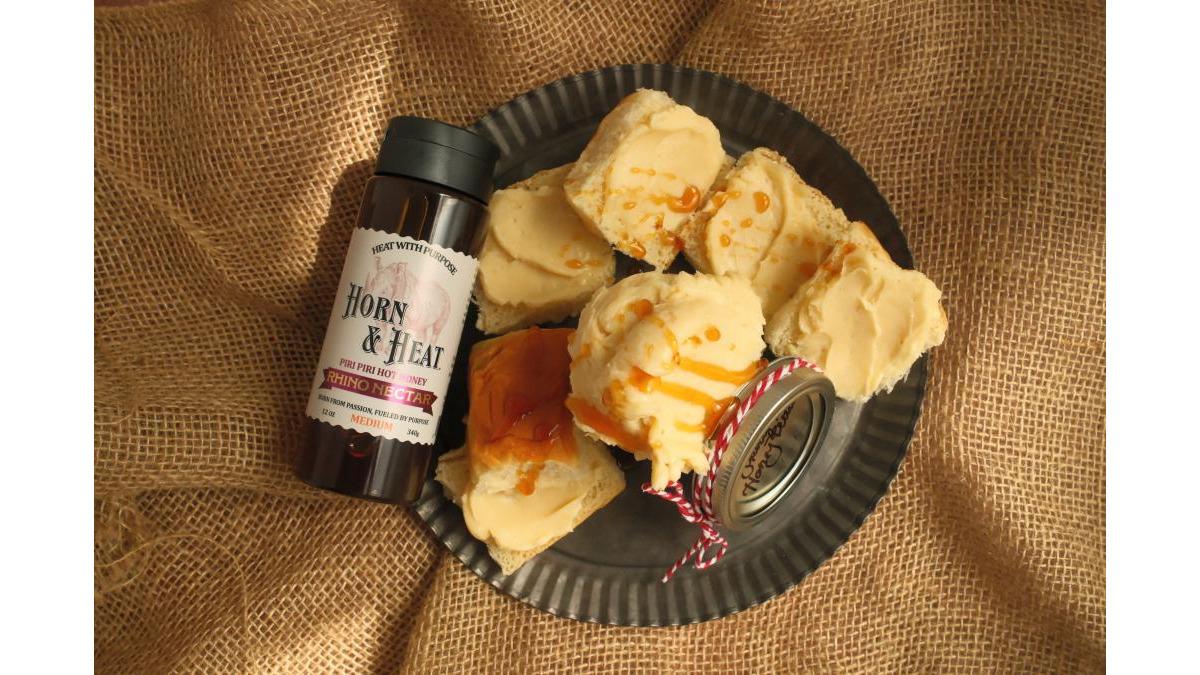
Choosing a hot honey is really a question of how it fits your cooking, not how hot it can get. Horn & Heat builds its line around balanced flavor and everyday versatility, from the slow-building sweetness of Rhino Nectar Piri Piri Hot Honey to chef-crafted sauces across mild, medium, and hot. Every bottle also supports rhino conservation through the Rockwood Conservation Fund. Get started with Horn & Heat and find the bottle that earns a permanent spot on your counter.