
Using Hot Honey in Breakfast Recipes: A Practical Guide
Table of Contents
- Why Hot Honey Breakfast Dishes Work
- Hot Honey Breakfast Ideas for Every Morning
- How to Pair Hot Honey with Eggs
- Choosing the Best Hot Honey for Cooking
- Sweet and Savory Balance: Flavor Pairings That Work
- Dietary Modifications and Serving Notes
- Storing, Reheating, and Everyday Practicalities
- Frequently Asked Questions
Last Updated: September 11, 2026
Why Hot Honey Breakfast Dishes Work
Using hot honey in breakfast recipes works because it solves breakfast's oldest problem: the first meal of the day is almost always sweet or savory, rarely both, and using hot honey in breakfast recipes bridges that gap. Hot honey bridges that gap in a single drizzle, and its sticky texture clings to eggs, biscuits, and fruit in a way maple syrup cannot.

This guide covers how to use hot honey across a full week of breakfasts, from biscuits and griddle classics to yogurt bowls, plus pairing rules, dietary notes, and storage advice.
Hot Honey Breakfast Ideas for Every Morning
The fastest way to build a hot honey breakfast habit is to match the condiment to the base you already eat. The notes below explain why the same drizzle behaves differently on a biscuit than on a bowl of oats.

Base |
Hot Honey Move |
Why It Works |
|---|---|---|
Biscuits and toast |
Drizzle after buttering |
Soaks into warm bread |
Griddle classics |
Finish off the heat |
Prevents burning sugars |
Yogurt and oats |
Stir in, then top |
Sweetens without syrup |
Fruit bowls |
Light drizzle over top |
Balances tart fruit |
Egg dishes |
Add at the table |
Keeps heat level in your control |
Biscuits, Toast, and Griddle Classics
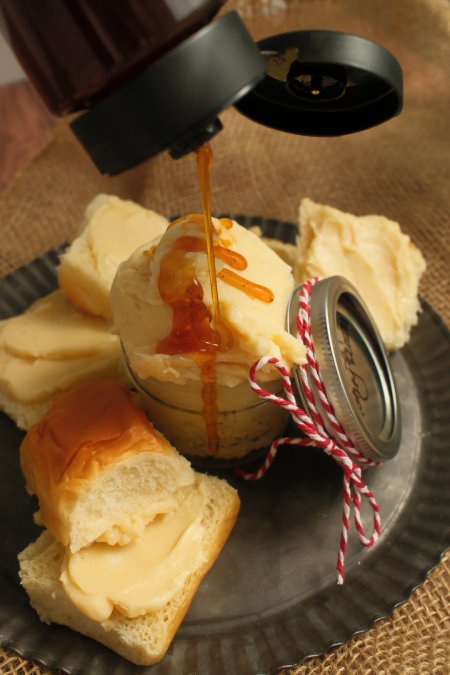
Buttermilk biscuits are the best starting point for anyone new to hot honey. Split one open, butter it while it is hot, then drizzle hot honey over the top. The honey soaks into the crumb and the butter carries the chili flavor into every bite.
The same logic applies to a toasted English muffin, a slice of sourdough, or a stack of pancakes. One rule matters more than the rest: add hot honey off the heat. Chili-infused honey contains sugars that scorch quickly in a hot pan, and burnt honey turns bitter in seconds (foodsafety.gov).
For French toast and waffles, hot honey replaces syrup rather than joining it; two condiments competing for the same job flattens the flavor profile.
Griddle classics reward a light hand. Pancakes already carry sweetness from the batter, so a thin ribbon across the top is enough. Waffles hold more honey than you expect in their deeper pockets; start with less and add at the table.
Yogurt, Oats, and Fruit Bowls
Cold breakfasts take hot honey just as well as hot ones, and the contrast is sharper. A bowl of plain Greek yogurt with a drizzle of hot honey gives you sweetness, heat, and tang in one spoonful (fdc.nal.usda.gov). Stir it through for even heat, or leave it on top so each bite hits differently.
Oatmeal works the same way. Add hot honey after cooking, when the oats have cooled slightly, so the floral notes survive; stirring it into boiling oats leaves only sweetness behind. Banana, peach, and berry bowls all benefit, especially with a pinch of flaky salt.
Tart fruit like raspberries and green apple can take a heavier hand than sweet fruit like ripe peach or mango. Match the drizzle to the fruit, not to the bowl size.
Breakfast Meats and Savory Sides
Hot honey also finishes the savory side of the plate, where the sweet-savory contrast is most obvious.
Bacon is the classic case. Cook it until crisp, drain it on a rack, then drizzle hot honey over the strips while they are still warm; the salt pushes back against the sugar. Do not add honey to the pan while the bacon fries, since the sugars will burn first.
Sausage patties and links take the same treatment; a thin drizzle at the table keeps the casing crisp and the honey from pooling. Cured ham and country ham are saltier than bacon, so they need less honey.
How to Pair Hot Honey with Eggs
Hot honey and eggs pair well because the fat in the yolk softens the heat while the honey's sweetness rounds out the salt. When you add the honey changes the result more than the style of egg does.
Fried, Scrambled, and Sunny-Side Up
Fried and sunny-side up eggs take hot honey best. The runny yolk mixes with the honey on the plate and creates its own sauce, which is why a toasted English muffin underneath earns its place. Aim for crispy edges on the white for contrast against the soft yolk.
Scrambled eggs are the trickier case. Soft, slow-scrambled eggs with hot honey drizzled over the top work well; honey folded into the pan during cooking does not, because the sugars catch and the eggs turn grainy.
For a breakfast sandwich, build it in this order: toasted base, melted cheese, egg, then hot honey last. Honey under the egg slides off; honey on top stays put.
Hard-boiled eggs are the one style that fights the pairing; the dry yolk needs something acidic, not sweet (fdc.nal.usda.gov).
Choosing the Best Hot Honey for Cooking
The best hot honey for cooking is one with a real chili infusion and visible flavor layers, not sugar with cayenne stirred in. Two things separate a cooking honey from a drizzling honey: how the heat builds, and whether the honey tastes like anything on its own.
Look for honey that starts sweet and finishes warm rather than hitting heat immediately. A slow build means you can use more of it before the heat takes over, which matters across a whole meal.
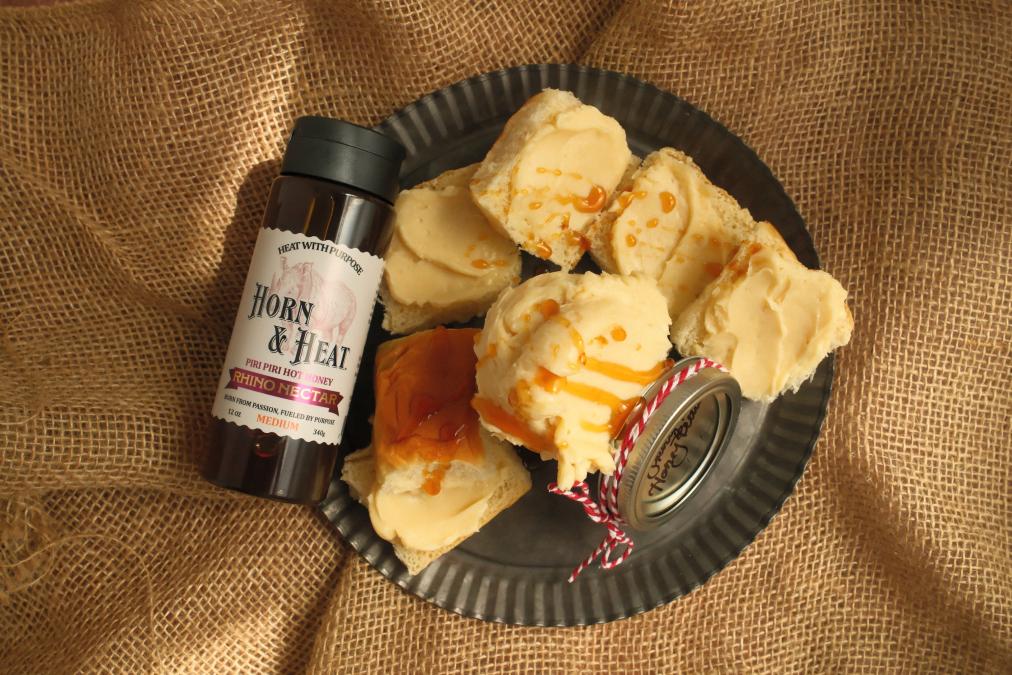
Rhino Nectar Piri Piri Hot Honey is built exactly this way, with wildflower honey and African Bird's Eye Pepper layered so the sweetness lands first and the heat follows. It is available on its own, or as part of the Horn & Heat Sweet Heat Bundle if you want a hot sauce alongside it.

Heat tolerance is personal, so buy for range rather than maximum intensity. A honey you can use every morning beats one you can only handle on weekends.
Sweet and Savory Balance: Flavor Pairings That Work
Balance is the whole game with hot honey: sweet needs salt, fat, or acid to push against it. Honey alone on a plain base tastes flat; honey against something salty or creamy tastes intentional.
Pairings that hold up across breakfast:
- Salty: bacon, cured ham, feta, sharp cheddar, flaky salt
- Fatty: butter, cream cheese, avocado, runny egg yolk
- Acidic: Greek yogurt, citrus segments, tart berries, a squeeze of lime
- Bitter and peppery: arugula, which is the fastest way to stop a sweet breakfast from tipping into dessert
Umami is the quieter lever. A little melted cheese or a savory spread under the honey gives the dish a base note that sweetness alone cannot provide. Caramelization helps too: toast the bread properly and let the biscuit edges brown.
The mistake most people make is adding hot honey to something already sweet, like a frosted pastry. Put it on the savory half of the plate instead.
Dietary Modifications and Serving Notes
Hot honey is honey, so the modifications that apply to honey apply here. For anyone managing sugar intake, treat hot honey as a sweetener with a heat bonus, not a low-sugar condiment, and use it by the teaspoon.
Most hot honey products are honey first and chili second, so the sugar content tracks closely with plain honey. If you are counting sugar, measure the drizzle rather than eyeballing it; a "light drizzle" from a squeeze bottle can easily be a tablespoon.
A few practical adjustments:
- Lower sugar: cut the honey amount in half and add extra acid, such as lime or vinegar, to keep the flavor bright
- Dairy-free: swap buttered biscuits for olive-oil-toasted bread, and use a dairy-free spread under the honey
- Higher protein: build the plate around eggs, Greek yogurt, or nut butter so the honey is a finish rather than the main event
- Gluten-free: the honey is not the issue; choose a gluten-free base and the rest of the plate stays the same
- Vegan: honey is an animal product, so a vegan plate needs a plant-based syrup with chili instead; the technique carries over even when the sweetener changes
Portion guidance is simple. A teaspoon per serving is enough to taste the honey on a biscuit or a bowl of yogurt; two teaspoons is a generous drizzle. Beyond that, the heat and sugar start to dominate the plate.
Beverage Pairings for a Hot Honey Breakfast
The drink matters too, because hot honey sits in a narrow band between sweet and spicy, and the wrong beverage flattens one side or the other.
Coffee is the easiest match. The bitterness of a dark roast cuts through the honey's sugar and keeps the heat from building across the meal. A cold brew with a splash of milk does the same job with a softer edge.
Tea works when you want something lighter. A black tea with a little milk mirrors the coffee pairing, while a plain green tea suits egg dishes better than pancakes.
Citrus juice is the trickier case. The acid works against the heat, but the sugar in orange juice can make a sweet breakfast feel sweeter. It suits egg dishes and savory plates better than waffles or French toast.
Milk and plain sparkling water are the neutral options, resetting the palate without adding flavor when the honey is doing a lot of work on the plate.
Storage and Everyday Notes
Hot honey keeps like honey, which means it is shelf-stable and does not need refrigeration. Keep the jar in a cool, dark cabinet with the lid sealed, and it will outlast most of what is in your fridge.
Crystallization is normal and not a defect. If the honey goes grainy, place the jar in a bowl of warm water for a few minutes and stir. Do not microwave the jar directly, since uneven heating can warp the container and scorch the honey at the edges.
Reheating breakfast with hot honey already on it is where people run into trouble. Reheat the base, then add fresh honey. Microwaved honey turns thin and loses the floral top notes that make it worth using.
A few everyday habits make hot honey easier to live with:
- Keep a small squeeze bottle for daily use and store the main jar sealed
- Wipe the jar rim before closing, since honey residue attracts everything
- Add honey at the table so each person controls their own heat level
- Use a warm spoon for thick honey and it will pour cleanly
Prep and cook times do not change when you add hot honey to an existing breakfast, because the honey goes on at the end. That is the practical argument for keeping a bottle within arm's reach of the toaster.
Storing, Reheating, and Everyday Practicalities
Hot honey keeps like honey, which means it is shelf-stable and does not need refrigeration. Keep the jar in a cool, dark cabinet with the lid sealed, and it will outlast most of what is in your fridge.
Crystallization is normal and not a defect. If the honey goes grainy, place the jar in a bowl of warm water for a few minutes and stir. Do not microwave the jar directly, since uneven heating can warp the container and scorch the honey at the edges.
Reheating breakfast with hot honey already on it is where people run into trouble. Reheat the base, then add fresh honey. Microwaved honey turns thin and loses the floral top notes that make it worth using.
A few everyday habits make hot honey easier to live with:
- Keep a small squeeze bottle for daily use and store the main jar sealed
- Wipe the jar rim before closing, since honey residue attracts everything
- Add honey at the table so each person controls their own heat level
- Use a warm spoon for thick honey and it will pour cleanly
Prep and cook times do not change when you add hot honey to an existing breakfast, because the honey goes on at the end. That is the practical argument for keeping a bottle within arm's reach of the toaster.
Breakfast does not need a new repertoire to taste different. It needs one ingredient that works across eggs, biscuits, oats, and fruit without asking you to learn anything new.
Rhino Nectar Piri Piri Hot Honey is built for exactly this kind of use, with wildflower honey and African Bird's Eye Pepper layered so the sweetness lands first and the heat follows. Every bottle also supports rhino conservation through the Rockwood Conservation Fund. Shop the Sweet Heat Bundle or the Starter Hot Sauce and Hot Honey Pack and find the heat level that fits your morning.
Frequently Asked Questions
What breakfast foods pair well with hot honey?
Hot honey works across a wide spread of breakfast staples. Try it on buttermilk biscuits, toasted English muffins, fried or scrambled eggs, breakfast sandwiches, pancakes, waffles, yogurt bowls, and oatmeal. The sweet-and-savory contrast lifts salty, fatty, or neutral bases without overwhelming them. For a simple start, drizzle it over eggs with melted cheese, or spoon it onto a biscuit with butter. Rhino Nectar Piri Piri Hot Honey from Horn & Heat is built for exactly this kind of everyday use.
Is hot honey good on eggs?
Yes, and it is one of the most common ways people use it. The floral sweetness and slow-building heat balance the richness of yolks and the saltiness of seasonings. It works especially well on fried eggs with crispy edges, scrambled eggs with melted cheese, and sunny-side up eggs over toast. Add it after cooking rather than during, so the honey keeps its texture and does not scorch in the pan.
Does hot honey need to be refrigerated after opening?
Honey is naturally shelf-stable, and most hot honey products do not require refrigeration after opening. Store the bottle in a cool, dark cabinet away from direct heat and sunlight. If your kitchen runs warm, refrigeration is fine, though the honey will thicken and may crystallize. To loosen it, place the sealed bottle in a bowl of warm water for a few minutes and stir. Always check the label on your specific bottle for the manufacturer's guidance.
Can you use hot honey as a substitute for maple syrup?
In many cases, yes. Hot honey brings sweetness plus a layer of heat, so it works well anywhere maple syrup's flavor would not clash. Try it on pancakes, waffles, French toast, and oatmeal. The swap changes the flavor profile, adding a savory kick rather than a woody sweetness. For a milder result, use less than you would maple syrup and taste as you go, since hot honey carries more intensity per spoonful.