
How to Balance Heat and Acidity in Gourmet Cooking
Table of Contents
- Why Heat and Acidity Define a Gourmet Dish
- The Four-Part Framework: Salt, Fat, Acid, and Heat
- Using Acid to Brighten Dishes Without Overpowering Them
- How to Mellow Out Spicy Food When the Heat Goes Too Far
- How to Balance Heat and Acidity When a Sauce Fights Back
- Incorporating Hot Sauce Into Recipes at Every Stage
- Common Mistakes That Throw Off the Balance
- Conclusion
- Frequently Asked Questions
Last Updated: September 11, 2026
Why Heat and Acidity Define a Gourmet Dish
Acidity keeps a rich dish from tasting flat, and heat keeps it from tasting dull. Together they decide whether a plate tastes layered or one-dimensional. This guide breaks down how to balance heat and acidity in gourmet cooking, from first taste to final adjustment.
The core principle: acid sharpens, heat amplifies, and both need a counterweight. Fat and sugar soften each one; salt makes both read more clearly. Cooks who understand that relationship can correct almost any dish without starting over.
Most home cooks treat hot sauce as a finishing move. The best results come from adding acid and heat in stages, tasting between each addition, so the dish lands where you intended.
The Four-Part Framework: Salt, Fat, Acid, and Heat
Salt, fat, acid, and heat form a four-part framework for building flavor. Each element changes how the other three are perceived, so adjusting one means checking the rest.
Salt suppresses bitterness and makes sweetness and acidity more noticeable. Fat coats the palate and slows the perception of heat, which is why a creamy sauce can carry more chili than a broth. Acid cuts through fat and resets the palate. Heat, from chili or cooking temperature, intensifies whatever is already there.
How Each Element Changes the Others
A squeeze of citrus in a fatty braise changes how the fat reads, making the dish taste lighter without removing richness. A pinch of salt in an overly sour dressing doesn't cancel the acid; it makes the acid taste intentional instead of harsh.
Heat works the same way. A sauce that tastes balanced cold can taste sharp once simmered, because heat and taste perception research summarized by the Institute of Food Technologists shows temperature shifts how sweetness and bitterness register on the palate. Taste sauces warm, not cold.
Using Acid to Brighten Dishes Without Overpowering Them
Using acid to brighten dishes means adding it in small amounts and tasting after each addition. Acid should lift a dish, not announce itself. When it does, the fix is usually fat or sweetness, not more acid.
Vinegar, citrus, wine, and fermented ingredients all bring acidity, but with different character. Red wine vinegar reads sharper than lemon juice; rice vinegar sits further back. Choosing the right acid matters as much as the amount.
When to Add Acid During Cooking
Late additions preserve brightness; early additions build depth. Acid added at the start mellows as it cooks and integrates into the base. Acid added in the final minute stays forward and crisp.
A practical approach:
- Add a small amount early for background complexity
- Add a second, smaller amount off the heat for lift
- Taste before serving, then adjust one more time
Deglazing a pan with vinegar or wine is one of the most effective ways to build acidity into a sauce. The acid dissolves the browned bits left from searing, where a lot of flavor sits.
How to Mellow Out Spicy Food When the Heat Goes Too Far
Learning how to mellow out spicy food starts with what you are trying to remove. Capsaicin, the compound family behind chili heat, is fat-soluble and not water-soluble. That explains why water does almost nothing while a spoonful of yogurt works: water spreads the compound around the palate, while fat dissolves it and carries it away.
Dairy is the most reliable option because it brings both fat and casein, a milk protein that helps pull capsaicin off the receptors (peer-reviewed research). Yogurt, cream, butter, and cheese blunt sharp heat while adding body. Honey or sugar works differently: sweetness does not remove heat, but changes how the palate registers it, so the burn reads as part of the flavor rather than a separate sensation.
Acid plays a supporting role. A squeeze of lime in an overly hot dish does not reduce the heat, but it makes the heat taste deliberate, which matters when the burn should be present, just not dominant.
A Practical Order of Operations
When a dish is too hot, work through the fixes in this order and taste after each one:
- Check salt first. Under-salted food makes capsaicin read as harsh rather than hot. A pinch of salt often solves what looks like a heat problem.
- Add fat. A knob of butter, a spoonful of cream, or a drizzle of oil gives the capsaicin something to bind to.
- Add sweetness in small amounts. Honey, sugar, or a sweet fruit element rounds the burn without turning the dish sweet.
- Add acid last. Acid does not lower heat, but it reframes it. Use it when the burn is acceptable but tastes disconnected from the rest of the dish.
- Dilute as a last resort. Adding stock, cream, or more of the dish's base liquid lowers the concentration of capsaicin per bite. It also lowers everything else, so re-season afterward.
Why Heat Level and Flavor Level Are Not the Same
A common mistake is assuming a hotter sauce automatically delivers more flavor. A mild sauce used generously can build more complexity than a hot sauce used sparingly, because the flavor compounds register before the burn takes over. When a dish tastes harsh rather than hot, the problem is usually under-salting or an unbalanced base.
The Heat-Intensifies-Acid Effect
Most guidance treats heat and acid as separate problems, but they interact. High-heat cooking and high chili levels both make acidity read more sharply, because the palate is already primed by the burn. A sauce that tasted balanced cold can taste sharp once simmered or once chili is added. Taste warm, with the chili already in, and adjust acid last rather than first.
How to Balance Heat and Acidity When a Sauce Fights Back
When a sauce tastes sharp and hot at once, the cause is usually an acid and a chili both reading forward with nothing between them. The fix is a buffer: fat, sweetness, or a starch that softens both.
Work in small increments and taste after each one. Butter or cream gives the acid something to sit against. A little honey or sugar rounds the heat without making the sauce sweet. If it still bites, a splash of stock or the sauce's own base liquid dilutes both elements without flattening them.
A pH-Based Way to Think About It
Most balancing advice is anecdotal. A more useful frame is where a sauce sits on the pH scale and what that means for how acid and heat register.
- Highly acidic sauces (roughly pH 3.0-3.5): Think vinegar-forward dressings, citrus-heavy marinades, and many tomato-based sauces. At this range, acid dominates the palate and chili heat reads as an afterthought. The fix is almost always fat or sweetness, not more acid.
- Moderately acidic sauces (roughly pH 3.5-4.5): Most finished pan sauces, braises, and chili-based condiments land here. This is the range where heat and acid are most likely to fight, because neither is clearly dominant. Small adjustments move the perception a lot.
- Low-acid sauces (roughly pH 4.5-6.0): Cream sauces, nut-based sauces, and many stocks. Here, chili heat reads cleanly and acid is usually the missing element rather than the problem.
These ranges are approximate and depend on the specific ingredients, but the principle holds: the more acidic the base, the more likely the fix is fat or sweetness; the less acidic the base, the more likely the fix is a small addition of acid itself.
Troubleshooting by Cuisine
Different cuisines lean on different buffers, and matching the buffer to the dish keeps the flavor profile intact. The table below pairs each cuisine with the buffer its own tradition already uses, so the fix reinforces the dish rather than fighting it.
Cuisine |
Common Problem |
Best Buffer |
Why It Works |
|---|---|---|---|
Southeast Asian |
Too sour, too hot |
Coconut milk, palm sugar |
Fat and sweetness together; coconut fat carries capsaicin, palm sugar rounds the lime and chili |
Mexican |
Flat despite chili |
Lime plus salt |
Acid and salt lift without fat; salt makes the chili read as intentional |
Italian |
Sharp tomato sauce |
Butter, olive oil |
Fat softens tomato acidity without muting the tomato itself |
Indian |
Heat overwhelms spice |
Yogurt, cream |
Dairy carries heat off the palate while preserving the spice blend |
Korean |
Sour and hot compete |
Sesame oil, sugar |
Fat and sweetness rebalance without erasing the fermented base |
The pattern holds across all five: fat and sweetness are the two reliable buffers, and the cuisine usually tells you which one belongs. When in doubt, reach for the buffer the dish's own tradition already uses.
Why the Same Fix Behaves Differently Across Cuisines
The reason a squeeze of lime rescues a Mexican dish but can wreck an Italian one is the base pH. A tomato sauce already sits in the acidic range, so more acid pushes it into the zone where acid dominates and heat disappears. A chili-and-lime dish sits closer to neutral, so acid has room to lift without overwhelming. Reading the base before reaching for the fix separates a balanced adjustment from a correction that creates a new problem.
Incorporating Hot Sauce Into Recipes at Every Stage
Incorporating hot sauce into recipes works best when the sauce goes in at more than one point. Added only at the table, it sits on top of the dish; added during cooking, it becomes part of it.
Start with a small amount in the base, where it cooks into the aromatics and loses its raw edge. Add a second, smaller amount near the end to bring the heat forward again. A finishing drizzle adds a final layer without overwhelming anything.
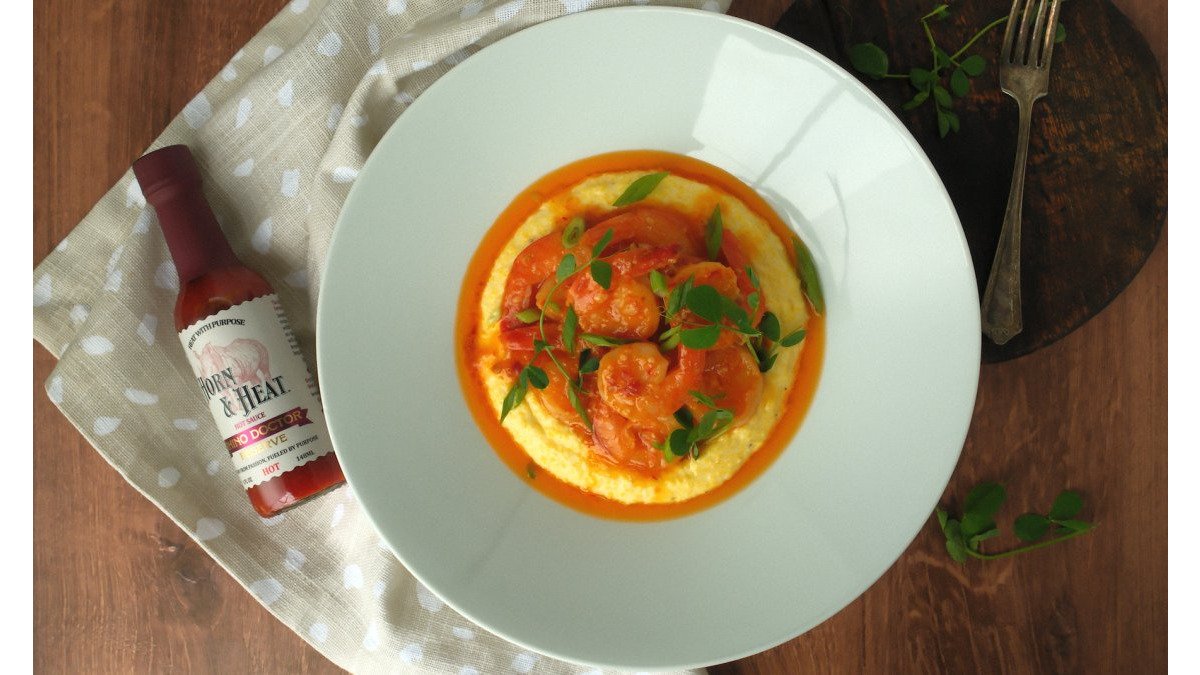
Horn & Heat sauces are built for exactly this kind of staged use. The Horn & Heat Hot Sauce Trio covers the full range from mild to hot, which makes it practical to match the sauce to the stage rather than guessing. Rhino Baby brings gentle, bright heat that works early in a dish. Rhino Gold sits in the middle and handles most everyday cooking. Rhino Doctor Reserve carries enough depth to stand up to a long simmer or a glaze.

That range matters because heat level and flavor level are not the same thing. A mild sauce used generously can build more complexity than a hot sauce used sparingly.
Common Mistakes That Throw Off the Balance
The most frequent mistake is adjusting acid and heat at the same time. When both change at once, you cannot tell which one caused the improvement or the problem. Adjust one, taste, then adjust the other.
Other mistakes that show up regularly:
- Tasting cold. A sauce that tastes balanced at room temperature can taste sharp once heated.
- Skipping salt. Salt makes acid and heat read as intentional rather than harsh.
- Adding acid too early. Early acid integrates and fades; if brightness is the goal, save some for the end.
- Using water to fix a hot dish. Water spreads capsaicin rather than removing it.
- Overcorrecting with sugar. A little sweetness rounds heat; a lot turns a savory dish sweet.
A useful habit is to taste at three points: after the base is built, after the main ingredient is added, and just before serving. Each taste tells you which element is missing.
Conclusion
Balancing heat and acidity is a skill built on small, deliberate adjustments rather than a single fix. Taste often, change one thing at a time, and let fat and sweetness soften what acid and chili push forward.
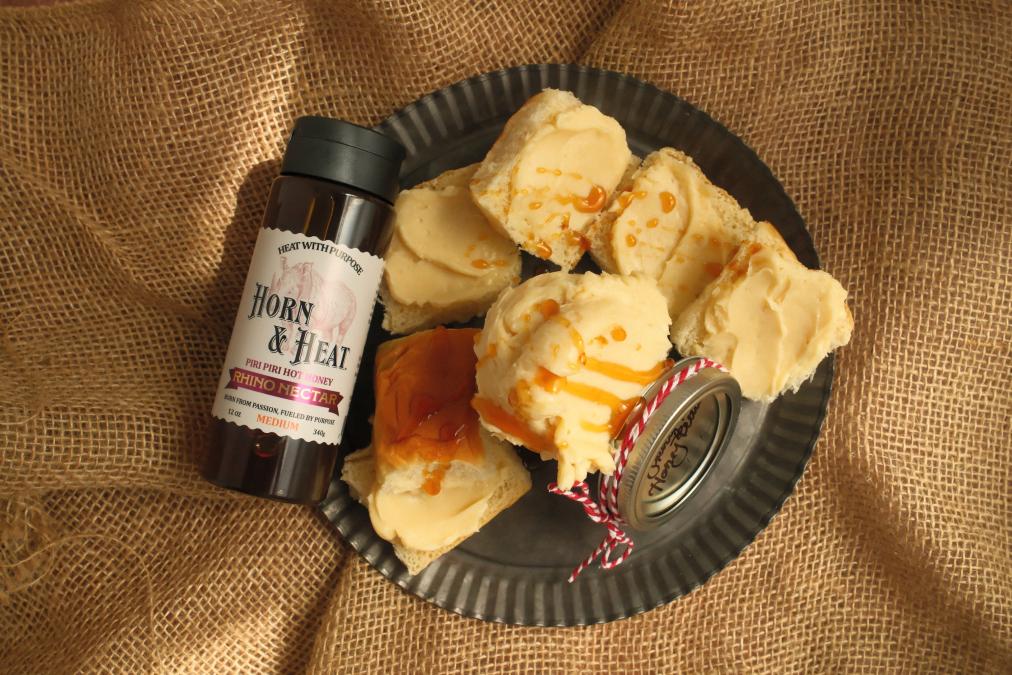
Horn & Heat makes sauces designed for that kind of cooking, not just for the table. The Horn & Heat Starter Hot Sauce and Hot Honey Pack pairs all three chef-crafted sauces with Rhino Nectar Piri Piri Hot Honey, giving cooks a mild, medium, and hot option plus a sweet heat layer for glazes, marinades, and finishing. Every bottle supports rhino conservation through the Rockwood Conservation Fund.


Get started with Horn & Heat and build heat and acidity into your cooking from the first step, not the last.
Frequently Asked Questions
What cancels out acidity in cooking?
Sweetness, fat, and salt all soften sharp acidity, and a small amount of baking soda neutralizes it fast in tomato-based sauces. Dairy such as butter or cream adds richness that rounds off sourness, while a pinch of sugar or a drizzle of honey balances without masking the dish. Add these in small increments, taste, and repeat. If a sauce tastes flat rather than sour, the problem is usually salt, not acid.
How do I mellow out spicy food without losing flavor?
Fat, dairy, and sweetness are the fastest ways to mellow out spicy food. Stir in butter, cream, or full-fat yogurt, add a spoonful of honey or sugar, or serve the dish over rice, potatoes, or bread to spread the heat across more bites. Acid can help too, but only when the burn is mild. Taste after each addition so you keep the flavor layers intact instead of diluting the whole dish.
Why is acidity important for brightening gourmet dishes?
Acid lifts a dish that tastes heavy or dull. A squeeze of citrus, a splash of vinegar, or a spoonful of a vinegar-based hot sauce like Rhino Doctor Reserve adds brightness that makes other flavors read more clearly on the palate. The key is restraint: add acid in small amounts near the end of cooking, taste, and stop when the dish tastes lively rather than sour.
How does heat interact with acidity on the palate?
Capsaicin, the compound behind chili heat, amplifies your perception of sourness, so a dish that tastes balanced before you add heat can turn sharp afterward. That is why a squeeze of lime on a mild dish can taste bright, while the same squeeze on a hot one tastes aggressive. Balance heat first, then adjust acid, and you will get a cleaner, more controlled result.