
Mild Flavorful Hot Sauce for Beginners: 2026 Guide
Table of Contents
- How to Choose a Mild Flavorful Hot Sauce for Beginners
- The Best Hot Sauce for Beginners: Top Picks
- How to Use Hot Sauce in Cooking: Beyond the Shake
- Pairing Mild Hot Sauce with Specific Cuisines
- Building Spice Tolerance: What Actually Works
- Mild Hot Sauce vs. Medium and Hot: A Flavor-First Comparison
- Common Mistakes Beginners Make with Hot Sauce
- Frequently Asked Questions
Last Updated: September 10, 2026
How to Choose a Mild Flavorful Hot Sauce for Beginners
Choosing a mild flavorful hot sauce for beginners comes down to two questions: how much heat can you comfortably handle, and what flavors do you actually enjoy? Get those right and you'll never buy a bottle that sits unused in the fridge.

This guide walks through heat levels, flavor profiles, and real cooking applications so first-time buyers can shop with confidence.
Heat Level: Understanding Scoville Heat Units
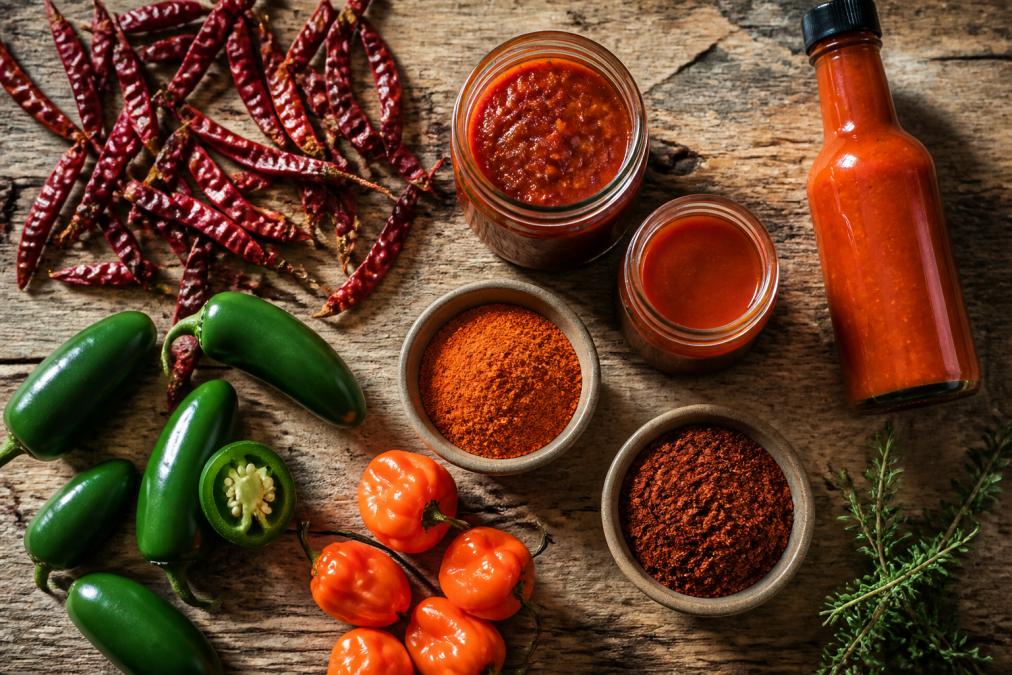
Scoville Heat Units (SHU) measure capsaicin concentration, the compound responsible for the burn in chili peppers. A bell pepper registers at zero, a jalapeño typically falls between 2,500 and 8,000 SHU, and a serrano runs hotter still (PubMed).
For beginners, the sweet spot is a sauce built on jalapeño, poblano, banana pepper, or fresno pepper bases. These deliver warmth without overwhelming the palate. According to USDA nutrition and food composition resources, pepper varieties vary widely in composition, which is why two sauces with identical pepper lists can taste completely different.
Flavor Profile: What to Look For
Read the ingredient list before the heat rating. A vinegar base signals a tangy finish, pepper mash or fermentation points to deeper umami notes, and fruit additions like tomatillo or lime push things brighter and more acidic.
The best hot sauce for beginners balances heat against culinary balance: enough warmth to notice, not enough to bury the food. Look for tasting notes that mention freshness, brightness, or layered flavor rather than pure fire.
The Best Hot Sauce for Beginners: Top Picks
The best hot sauce for beginners leads with flavor and lets heat sit in the background. Three options from Horn & Heat cover the range: a single mild bottle, a full lineup, and a sweet-heat combination.
Product |
Heat Level |
Price |
Best For |
|---|---|---|---|
Mild |
$14.99 |
First-time buyers, everyday use |
|
Mild to hot |
$59.99 |
Testing the full range |
|
Sweet Heat Bundle |
Mild to hot |
$29.99 |
Sweet and savory cooking |
Rhino Baby Hot Sauce: Mild and Bright
Rhino Baby Mild Hot Sauce is the most approachable entry point in the lineup. Developed by Chef Bri Coelho, it blends jalapeños, tomatillos, and poblano peppers into a clean green base, with lime juice and white wine vinegar adding lift.

Garlic and onion bring savory depth, cilantro adds an herbal note, and cumin and coriander round out the profile. It's mild without being flat, which is exactly what a beginner needs.
Pros: Fresh, bright flavor; gentle heat; versatile across eggs, fish tacos, grilled vegetables, and rice bowls. Cons: Buyers who want noticeable burn will outgrow it quickly.
Horn & Heat Starter Pack: A Full Range
The Starter Pack bundles all three chef-crafted sauces plus a bottle of Rhino Nectar Piri Piri Hot Honey. Rhino Baby covers mild, Rhino Gold handles medium, and Rhino Doctor Reserve delivers bold, slow-building heat.
For a beginner unsure where their palate lands, this removes the guesswork and covers breakfast, grilled foods, pizza, and appetizers in one purchase.
Pros: Full heat range in one order; includes hot honey; good for sharing. Cons: More than a first-timer needs if they only want one mild bottle.
How to Use Hot Sauce in Cooking: Beyond the Shake
Using hot sauce in cooking means treating it as an ingredient, not just a condiment. A mild sauce can go into a marinade, get whisked into a glaze, or finish a dish right before it hits the table.
Here's how to work it into everyday cooking:
- Marinades: Whisk a mild sauce with oil and acid, then coat proteins before grilling or roasting.
- Glazes: Reduce a sauce with a little honey or butter for a finishing brush on roasted vegetables.
- Finishing sauces: Spoon it over eggs, fish, or grain bowls at the end to preserve brightness.
- Dressings: Combine with olive oil and citrus for a quick vinaigrette.
- Dips: Stir into yogurt or mayonnaise for a cooling, flavor-forward spread.
Horn & Heat publishes recipes that show these applications in practice.
Marinades, Glazes, and Finishing Sauces
A marinade needs acid, fat, and flavor, and a mild hot sauce supplies the acid and flavor in one step. Glazes work differently: heat and sugar concentrate as they cook, so a mild sauce can taste sharper after reduction.
Finishing sauces are the lowest-risk entry point. Add a spoonful after cooking and taste. That way the heat stays under control and the fresh notes survive.
Pairing Mild Hot Sauce with Specific Cuisines
The right mild sauce depends less on heat and more on whether the flavor profile matches the dish already on the plate. Match acidity to richness, sweetness to salt and fat, and herbaceous notes to fresh ingredients.
Here is how that plays out across the cuisines most home cooks actually cook.
Mexican-Inspired Dishes
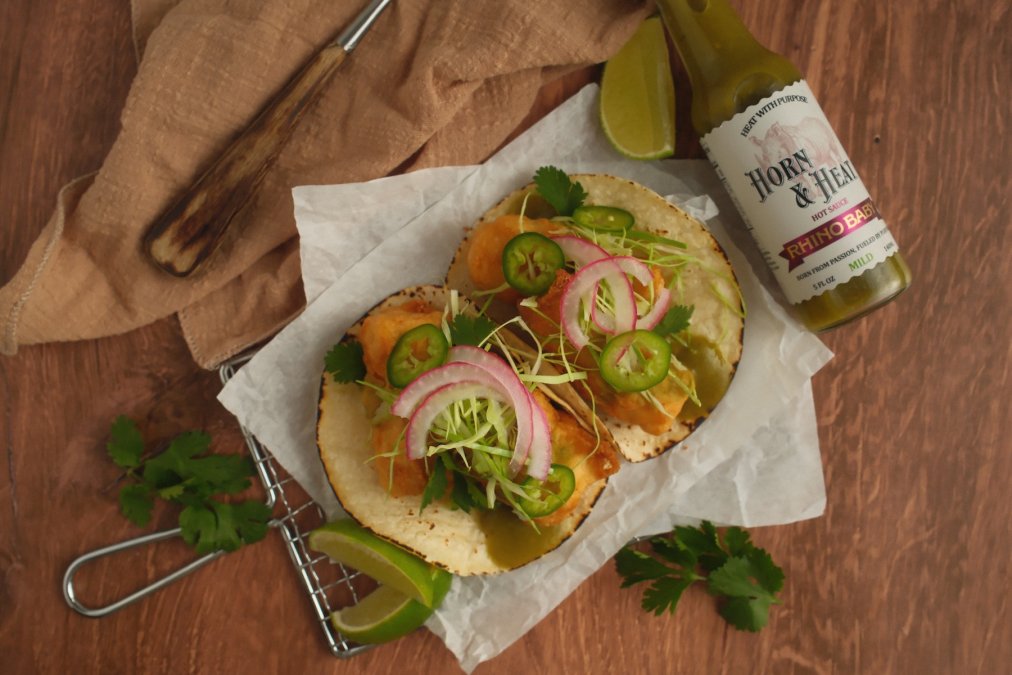
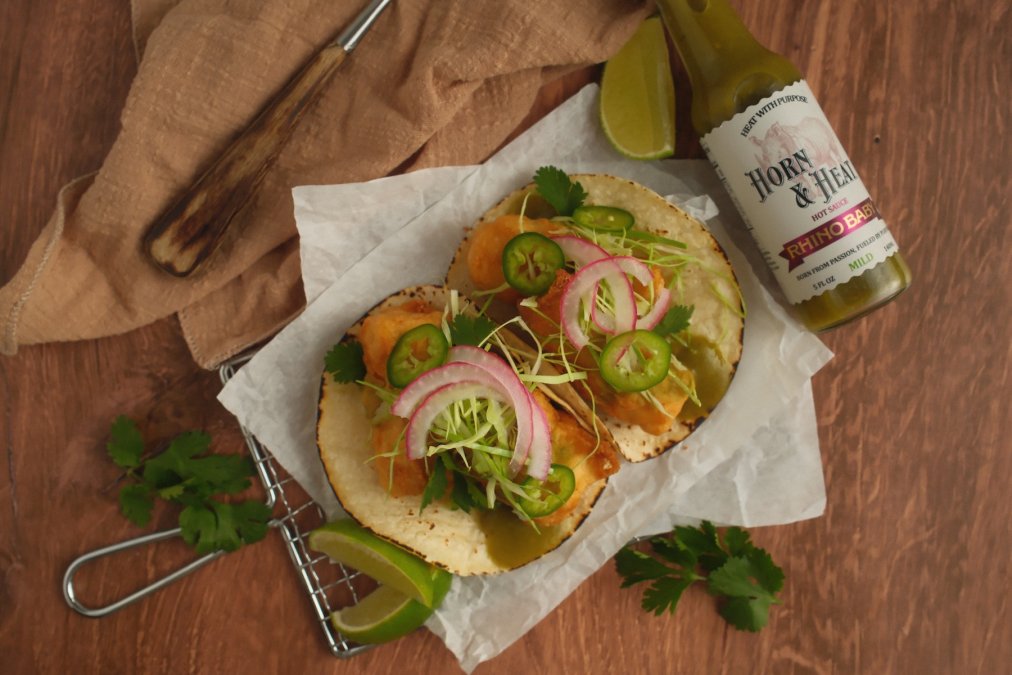
A green, tomatillo-based mild sauce mirrors the acidity in salsa verde, making it a natural fit for tacos, scrambled eggs, grilled corn, and rice bowls. Its tartness cuts through melted cheese and rich meats without overwhelming heat.
Asian-Inspired Dishes
Vinegar-forward sauces cut through fried or saucy dishes, which is why they work with stir-fries, dumplings, and noodle bowls. A hot honey suits roasted proteins and glazed vegetables, where its sweetness balances soy and salt. Add the sauce at the table or in the last minute of cooking so the fresh notes survive.
Southern Comfort Food
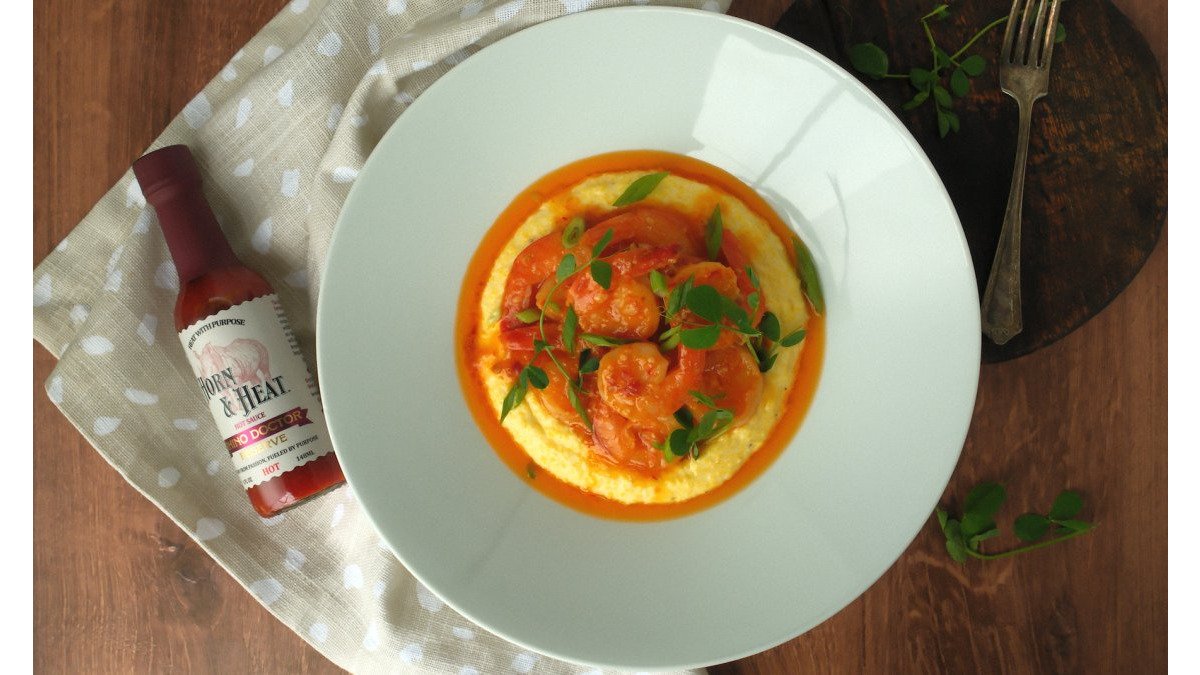
Sweet heat belongs here. Rhino Nectar Piri Piri Hot Honey, made with wildflower honey and African Bird's Eye Pepper, drizzles well over fried chicken, biscuits, and roasted vegetables. The honey rounds out the salt and fat, while the pepper keeps the finish lively. A mild green sauce also works on fried green tomatoes and grits, where its acidity cuts the richness.

Mediterranean Plates
A bright, herbaceous mild sauce complements grilled vegetables, fish, and grain bowls. Cilantro, lime, and tomatillo notes pair well with falafel, grilled zucchini, and chickpea dishes. Avoid heavy, smoky sauces here; they overwhelm the olive oil and lemon that define the cuisine.
A Practical Pairing Framework
Instead of memorizing sauce-to-dish matches, use this three-question check:
- What is the dominant fat? If the dish is rich (cheese, fried food, fatty meat), reach for an acidic or vinegar-forward sauce.
- What is the dominant acid? If the dish already has lime, lemon, or vinegar, choose a sauce with complementary fruit or herb notes rather than doubling down on acid.
- What is the dominant sweetness? If the dish is sweet or salty-sweet, a hot honey or fruit-based sauce integrates better than a sharp vinegar base.
This framework focuses on the dish's existing flavor structure rather than the sauce in isolation. A mild sauce that matches the dish's dominant notes will taste intentional; one that fights them will taste like an afterthought.
Horn & Heat publishes recipes that show these pairings in practice.
Building Spice Tolerance: What Actually Works
Spice tolerance builds through repeated, small exposure, not through pushing past discomfort. Understanding the mechanism behind it makes the process faster and more predictable.
The Biology Behind the Burn
Capsaicin, the compound responsible for the burn in chili peppers, binds to TRPV1 receptors on the tongue and throughout the digestive tract (peer-reviewed research). These receptors normally respond to heat and physical irritation. When capsaicin binds to them, the brain receives a signal that feels like burning even though no tissue damage is occurring.
With repeated exposure, the receptors desensitize and become less responsive to capsaicin over time, which is why a sauce that felt intense in week one can taste mild by week four. This is a physiological change, not a psychological one.
A second mechanism matters too: the brain learns to interpret the signal differently, reclassifying what initially registers as pain into a pleasant warming sensation. This is why experienced chili eaters describe the same sauce as flavorful rather than painful.
A Practical Tolerance Plan
A common pattern that works for most beginners:
- Start with a mild sauce on food you already like. Familiar food reduces the novelty factor and lets you focus on the sensation.
- Increase the amount before increasing the heat level. Going from a teaspoon to a tablespoon of the same mild sauce builds tolerance without introducing a new variable.
- Move to a medium sauce only when the mild one tastes comfortable, not challenging. If you have to brace for it, you are not ready to step up.
- Keep dairy or a starchy side nearby. Casein in dairy binds to capsaicin and helps rinse it from the receptors. Bread and rice work by physically moving the capsaicin off the tongue.
- Be consistent. Tolerance fades without regular exposure, so a few times a week beats one intense session.
What Does Not Work
Pushing through a sauce that is genuinely too hot does not accelerate tolerance. It triggers a stress response that makes the next exposure feel worse, not better. Tolerance is built at the edge of comfort, not past it.
This is why a starter pack with multiple heat levels works better than a single bottle: it lets a beginner step up at their own pace. Horn & Heat's Starter Pack covers mild, medium, and bold heat levels.
Mild Hot Sauce vs. Medium and Hot: A Flavor-First Comparison
Heat level changes how a sauce functions in cooking, not just how much it burns. Mild sauces tend to be more versatile because they can be used in larger quantities without dominating a dish.
Heat Level |
Typical Peppers |
Cooking Role |
Who It Suits |
|---|---|---|---|
Mild |
Jalapeño, poblano, tomatillo |
Everyday finishing, marinades |
Beginners, families |
Medium |
Fresno, serrano blends |
Versatile all-purpose |
Regular hot sauce users |
Hot |
Bird's Eye, extract-based blends |
Accent and contrast |
Experienced palates |
Pepper extract appears in some hot sauces to boost heat without adding flavor. For beginners, extract-based sauces are usually the wrong starting point: they deliver burn with little culinary balance. A pepper blend built for flavor gives a better first impression.
Common Mistakes Beginners Make with Hot Sauce
The biggest mistake is buying for heat instead of flavor. A bottle rated for intensity often lands in the back of the fridge after one use, while a mild, flavor-forward sauce gets emptied.
Other common missteps:
- Adding sauce only at the table. Cooking with it early builds layered flavor; adding it late only adds surface heat.
- Ignoring the ingredient list. Vinegar base, pepper mash, and fermentation produce very different results in the same dish.
- Skipping the taste test. Palates differ. A sauce one person finds mild can read as medium to someone who is spice-averse.
- Overlooking shelf-stable formats. A sauce that keeps well gets used more often than one that needs refrigeration after opening.
Choosing a first hot sauce is really a question of matching flavor to the food already on the plate. Most bottles are built for heat first.
Rhino Baby delivers a mild, bright jalapeño, tomatillo, and poblano blend at $14.99. Rhino Nectar Piri Piri Hot Honey layers wildflower honey with a slow-building finish. Every bottle supports the Rockwood Conservation Fund and the care of orphaned rhinos, so flavor carries a purpose beyond the plate.
Get started with Horn & Heat and find the heat level that fits how you actually cook.
Frequently Asked Questions
What are the best hot sauces for beginners?
Beginners should look for mild hot sauces with balanced flavor, not just low heat. Rhino Baby Hot Sauce is a great example: it blends jalapeños, tomatillos, and poblanos with lime juice and white wine vinegar for a fresh, bright profile that won't overwhelm. Start with sauces that list real ingredients and avoid pepper extract. A mild sauce should let you taste the food, not just the burn.
How do you identify a flavorful hot sauce that isn't too spicy?
Check the ingredient list for whole peppers, vinegars, and spices rather than extracts. Flavorful mild sauces often use fruit or acid to balance heat. Look for terms like 'mild' or 'everyday' on the label. Rhino Baby, for instance, uses cilantro, cumin, and coriander to add depth without heavy heat. If the sauce is described as 'flavor-first' or 'balanced,' it's likely a good fit for beginners.
What is the most flavorful hot sauce for someone with a low spice tolerance?
A sauce made with jalapeños, tomatillos, and poblanos tends to deliver more flavor than heat. Rhino Nectar Piri Piri Hot Honey combines wildflower honey with African Bird's Eye Pepper for a sweet start and slow-building warmth. It's versatile enough for pizza, fried chicken, or roasted vegetables. The key is finding a sauce where heat supports the flavor rather than dominating it.
How can you use mild hot sauce in daily cooking?
Mild hot sauce works as a marinade, glaze, dressing, or finishing sauce. Try mixing it into scrambled eggs, drizzling it over fish tacos, or whisking it into a vinaigrette. Rhino Baby shines on eggs, avocado toast, grilled vegetables, and rice bowls. You can also use it to add a gentle kick to soups or stews. Start with a small amount and adjust to taste.