
Spicy Cooking Ingredients: Build Flavor Beyond Heat
Table of Contents
- Why Spicy Cooking Ingredients Matter Beyond Heat
- Essential Spicy Ingredients for Your Pantry
- Understanding Heat Levels: The Scoville Scale for Home Cooks
- How to Cook with Hot Sauce as a Flavor Builder
- Balancing Heat in Recipes Without Overpowering Flavor
- Using Hot Honey in Savory Dishes
- Storage and Sourcing: Keeping Your Spicy Pantry Fresh
- Frequently Asked Questions
Last Updated: September 1, 2026
Why Spicy Cooking Ingredients Matter Beyond Heat
Most home cooks treat heat as a finishing flourish, applied after the dish is made. That approach misses the real power of spicy cooking ingredients: they build depth, complexity, and richness that would otherwise take hours of simmering to develop.
Spicy cooking ingredients work as flavor accelerators. A measured amount of hot sauce in a braise, a pinch of ground chili in a dry rub, or a swirl of chili paste in a soup does more than add heat. These ingredients introduce aromatic compounds, umami, and layered piquancy that transform a one-dimensional dish into something with genuine character. The capsaicin in peppers and hot sauces enhances perception of other flavors, making salt taste more pronounced, sweetness more complex, and savory notes deeper (peer-reviewed research).
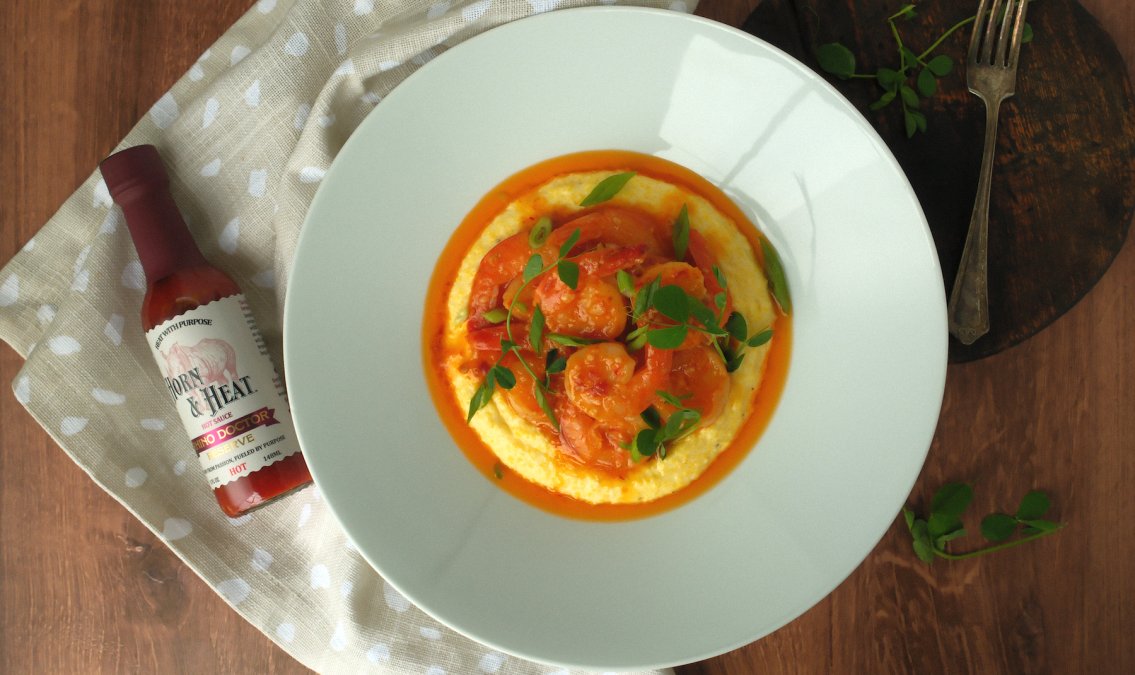
At Horn & Heat, the philosophy centers on using spicy cooking ingredients as building blocks rather than afterthoughts. The sauces are designed to work throughout the cooking process, not just as condiments. Understanding how to work with spicy cooking ingredients transforms everyday meals into dishes with real depth.

Essential Spicy Ingredients for Your Pantry
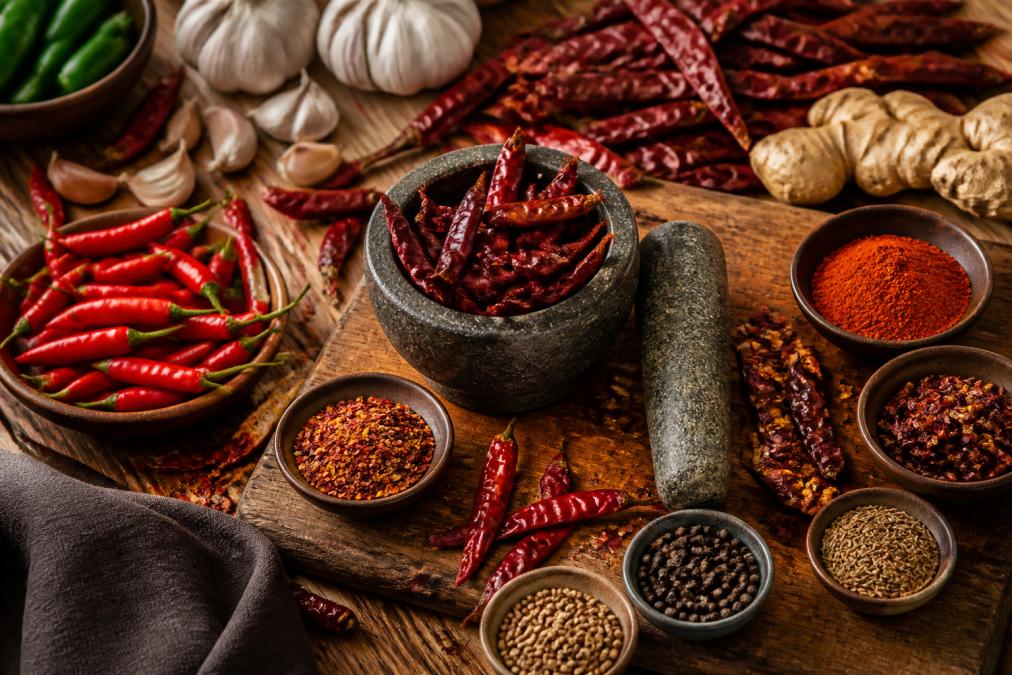
Building a foundation of spicy cooking ingredients means stocking your pantry with versatile, high-quality options that work across different cuisines and cooking methods.
Dried Chilies and Fresh Peppers
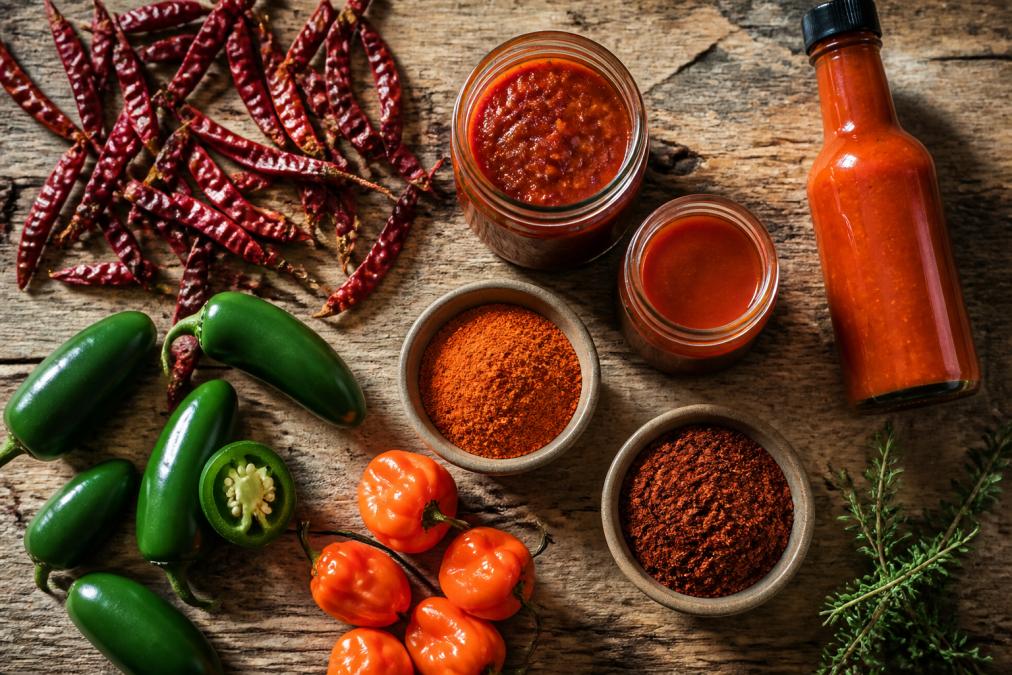
Dried chilies and fresh peppers form the backbone of spicy cooking ingredients. Each type brings distinct flavor profiles beyond simple heat. Dried chilies like guajillo, ancho, and árbol contribute fruity, smoky, or earthy notes. Fresh peppers like jalapeños, serranos, and habaneros offer bright, grassy aromatics alongside their heat.
Dried chilies provide shelf stability and concentrated flavor. A single dried chili can infuse a pot of beans or sauce with complex depth. Fresh peppers work best when you want immediate, vibrant heat. Many recipes benefit from combining both: dried chilies for base flavor, fresh peppers for brightness.
When selecting dried chilies, look for flexibility in the skin rather than brittleness. Store them in an airtight container away from light. Fresh peppers should feel firm with glossy skin and keep in the refrigerator for two to three weeks.
Chili Pastes, Hot Sauces, and Fermented Condiments
Chili pastes and hot sauces represent concentrated spicy cooking ingredients that dissolve seamlessly into dishes. Fermented versions add complexity through the fermentation process, creating umami and depth that raw versions cannot match.
Chili paste tends toward thicker consistency and pure pepper flavor, working well in marinades and dry rubs. Hot sauce typically contains vinegar, salt, and other seasonings, making it more versatile as both a cooking ingredient and finishing element. Fermented hot sauces bring additional complexity through fermentation, which develops flavors over time.
For cooking applications, look for sauces without excessive added sugar, which can burn during high-heat cooking. Vinegar-based sauces provide acidity that brightens dishes, while fermented versions offer umami that enriches braises and stews. The Horn & Heat Hot Sauce Trio includes options across the heat spectrum, each formulated to work as a cooking ingredient rather than just a condiment.
Ground Spices and Seasoning Blends
Ground spices represent the most shelf-stable form of spicy cooking ingredients. Cayenne, chili powder, paprika, and blended spice mixtures offer consistent heat levels and flavor profiles. Ground spices work particularly well in dry rubs, seasoning blends, and as thickening agents in sauces.
The freshness of ground spices matters significantly. Purchase from sources with high turnover and store in airtight containers away from heat and light. Most ground spices maintain peak flavor for six months to a year. Creating your own blends gives you control over heat level and flavor direction.
Understanding Heat Levels: The Scoville Scale for Home Cooks
The Scoville Heat Unit scale measures the pungency of peppers and spicy cooking ingredients by quantifying capsaicin concentration. For home cooks, understanding Scoville ratings helps predict how much heat an ingredient will contribute and whether it will overpower other flavors.
The scale ranges from zero (bell pepper) to over 2 million units (ghost pepper and Carolina Reaper) (acs.org). Most cooking applications fall in the 1,000 to 100,000 range. Jalapeños typically measure 2,500 to 8,000 SHU, while habaneros reach 100,000 to 350,000 SHU (acs.org).
For practical cooking, the Scoville scale serves as a reference point rather than an absolute guide. A sauce rated at 5,000 SHU will behave differently in a quick marinade than in a long braise. Heat level perception also varies based on fat content, acidity, and other ingredients in the dish. Knowing that habaneros are roughly 15 times hotter than jalapeños lets you make substitutions confidently. Understanding that fermented hot sauces often taste less intensely hot than their Scoville rating suggests helps explain why a sauce labeled as "medium" might feel surprisingly approachable.
How to Cook with Hot Sauce as a Flavor Builder
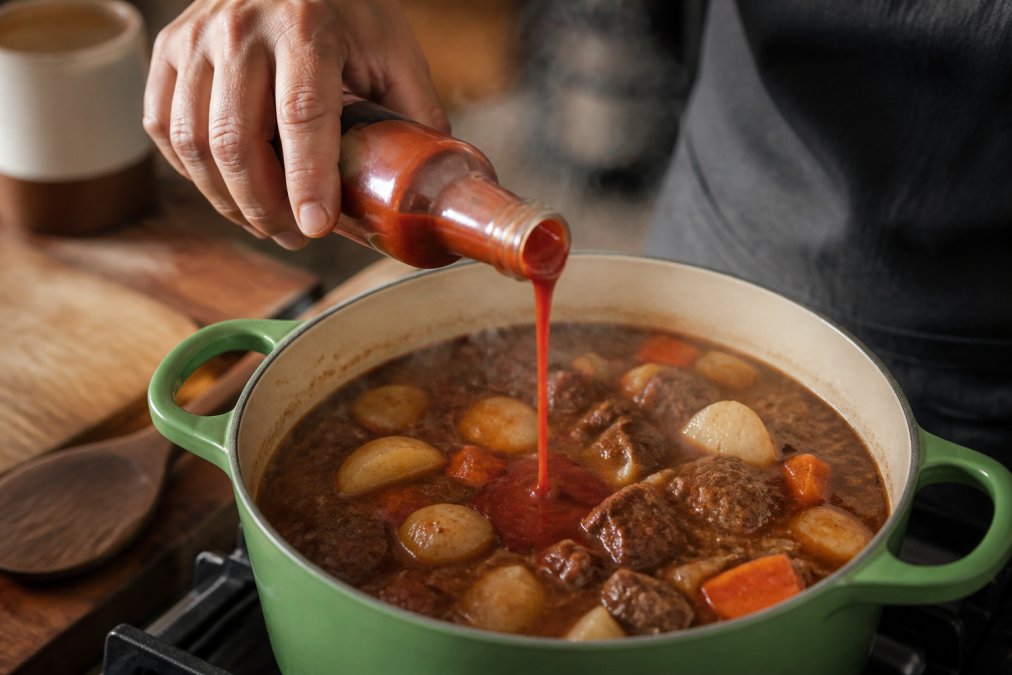
Using hot sauce during the cooking process transforms it from a condiment into a foundational ingredient. The heat and flavor compounds integrate into the dish rather than sitting on top, creating complexity that develops as the dish cooks.
Hot Sauce in Marinades and Glazes
Marinades that incorporate hot sauce work on multiple levels. The acid in vinegar-based sauces tenderizes protein while the heat and flavor compounds penetrate the surface. A basic approach uses hot sauce as 25 to 40 percent of a marinade's volume, balanced with oil, acid, and aromatics.
Glazes work differently than marinades. A glaze applies during or after cooking, building layers of flavor through repeated applications. Hot sauce in a glaze caramelizes slightly, concentrating the flavors and creating textural interest. Brush glazes on during the final stages of cooking to develop color and depth without burning.
The timing of hot sauce application matters. Early in the cooking process, it contributes to base flavors. Applied midway, it adds complexity. Added at the end, it provides brightness and immediate heat. Many dishes benefit from using hot sauce at multiple stages, each application serving a different purpose in the final flavor profile.
Building Depth in Braises, Soups, and Stews
Braises and stews represent ideal applications for hot sauce as a cooking ingredient. The long, slow cooking process allows flavors to meld and develop. Hot sauce added at the beginning builds into the base, while additions near the end provide brightness and complexity.
Start by building an aromatic base with onions, garlic, and other vegetables cooked in fat, then add hot sauce before introducing the protein. This step allows the sauce to caramelize slightly and integrate with the aromatics. Soups benefit from hot sauce added partway through cooking, after the base has developed but before final seasoning adjustments.
Treating hot sauce as an ingredient that contributes to the overall flavor architecture rather than a finishing element requires restraint, using less than you might as a condiment, but using it intentionally at strategic points in the cooking process.
Balancing Heat in Recipes Without Overpowering Flavor
The challenge with spicy cooking ingredients isn't adding heat; it's adding heat without overwhelming other flavors.
Neutralizing Excessive Heat
When a dish becomes too spicy, fat is the most effective neutralizer. Adding butter, cream, or oil coats the palate and dilutes capsaicin concentration. Starch also absorbs and dilutes heat. Adding cooked rice, potatoes, or bread to a spicy soup or stew reduces the perceived intensity while adding substance.
Sweetness balances heat through contrast. A pinch of sugar, honey, or the natural sweetness of caramelized vegetables can make a dish feel less intensely hot while adding complexity. Acidity from vinegar or citrus can help by providing another flavor dimension, shifting focus from the heat to the overall flavor profile.
Pairing Spices with Specific Proteins and Vegetables
Different proteins and vegetables pair naturally with specific heat levels and flavor profiles. Fatty proteins like pork shoulder and beef brisket handle assertive heat well. The fat carries and mellows the flavors, allowing higher concentrations of hot sauce or chili paste. Lean proteins like chicken breast and white fish require more restraint.
Earthy vegetables like mushrooms and root vegetables pair well with smoky, complex heat from dried chilies or fermented sauces. Bright vegetables like tomatoes and peppers work with fresher, more immediate heat from jalapeños or cayenne. Grains and legumes serve as flavor anchors that allow you to use more heat than you might with protein alone.
Using Hot Honey in Savory Dishes
Hot honey represents a specific category of spicy cooking ingredients that balances heat with sweetness. Unlike hot sauce, which typically contains vinegar and salt, hot honey starts with the base of wildflower or clover honey, then adds heat through peppers like African Bird's Eye peppers (Piri Piri).
The sweetness in hot honey makes it work particularly well on fatty proteins. Drizzled over fried chicken or roasted pork, hot honey provides contrast and complexity. In savory cooking, hot honey works as a glaze component. Mixed with vinegar and spices, it creates a glaze for roasted vegetables or grilled meats that balances multiple flavor dimensions.
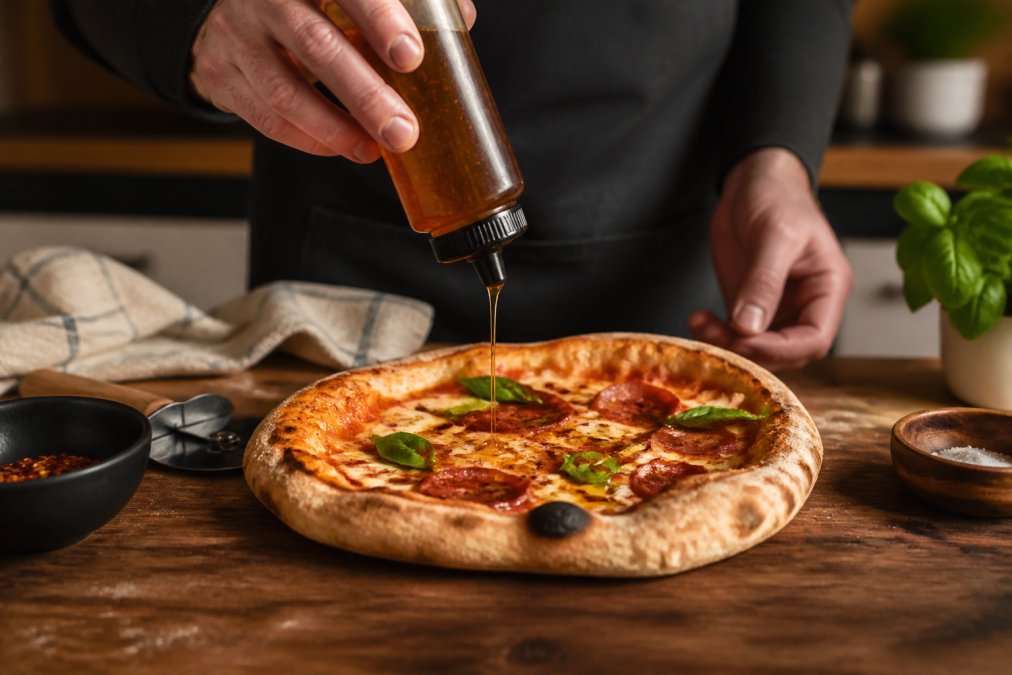
Hot honey also works in unexpected applications. A small amount stirred into salad dressing adds warmth and complexity. Drizzled over cheese and charcuterie, it bridges sweet and savory in a way that elevates simple ingredients. The Rhino Nectar Piri Piri Hot Honey uses wildflower honey with African Bird's Eye Pepper to create a sauce that works across breakfast applications, pizza, roasted vegetables, and charcuterie boards, demonstrating the versatility of hot honey as a spicy cooking ingredient.

Storage and Sourcing: Keeping Your Spicy Pantry Fresh
Proper storage extends the life and maintains the quality of spicy cooking ingredients. Dried chilies and ground spices store best in airtight containers in a cool, dark place. Light and heat degrade the flavor compounds and reduce heat levels over time. Most dried chilies maintain peak quality for six months to a year; ground spices for six months.
Fresh peppers store in the refrigerator, ideally in the crisper drawer where humidity levels stay consistent. They'll keep for two to three weeks. Don't wash them until you're ready to use them.
Hot sauces and chili pastes store differently based on whether they're fermented or not. Fermented versions, with their natural preservatives from the fermentation process, last longer and often improve with age. Vinegar-based sauces remain stable at room temperature for extended periods. Once opened, refrigeration extends shelf life and maintains flavor quality.
Sourcing matters as much as storage. Look for suppliers with high turnover and clear labeling about harvest or production dates. Specialty food shops, farmers markets, and online retailers focused on quality ingredients typically offer fresher products than mass-market grocery stores.
When building your spicy cooking ingredients collection, consider starting with a range of heat levels rather than buying the hottest options available. The Horn & Heat Hot Sauce Trio provides a practical foundation, ranging from mild to hot, letting you understand how different heat levels integrate into cooking before committing to more specialized ingredients.

Building a collection of spicy cooking ingredients opens possibilities that generic seasoning cannot match. The difference between a dish that tastes competent and one that tastes genuinely delicious often comes down to how intentionally you layer these ingredients throughout the cooking process. Start with quality basics, understand how heat and flavor interact, and practice using these ingredients as flavor builders rather than finishing flourishes. The investment in learning to cook with spicy ingredients well pays dividends across every meal you create.
Frequently Asked Questions
Can hot sauce really be used as a cooking ingredient instead of just a topping?
Yes. Hot sauce functions as a flavor builder during cooking, not merely a condiment. When added early to marinades, braises, or sauces, hot sauce develops depth and complexity that would otherwise take hours to build. The heat mellows slightly during cooking while the underlying flavors integrate with other ingredients. This approach works especially well with fermented or vinegar-based sauces that add umami and acidity alongside their heat.
What's the best way to balance spicy ingredients in a recipe without overpowering the dish?
Start with less than you think you need, then taste and adjust. Layer different spicy ingredients rather than relying on one source of heat. Pair capsaicin-rich elements with fat, acid, and sweetness to round out the flavor profile. Dairy, citrus, and sugar all help balance pungency. Consider the Scoville rating of your ingredients and scale accordingly. Dried chilies and chili pastes offer more nuanced heat than fresh peppers alone.
What spicy cooking ingredients should every home cook keep on hand?
A well-stocked spicy pantry includes dried chilies (for infusions and dry rubs), chili powder or ground spices, fresh peppers when available, a quality hot sauce for cooking, and red pepper flakes for quick heat. Adding chili paste or fermented hot sauce gives you aromatic depth. Hot honey bridges savory and sweet applications. Start with these staples and expand based on the cuisines you cook most often.
How does hot honey work differently from regular hot sauce in savory cooking?
Hot honey combines sweetness with slow-building heat, making it ideal for finishing dishes or glazing proteins where you want caramelization and balanced flavor. Unlike hot sauce, which typically contains vinegar or fermentation, hot honey's floral sweetness complements roasted vegetables, fried chicken, and pizza. It works as both a cooking ingredient and a finishing drizzle, adding complexity without the sharp acidity of traditional hot sauce.