
Gourmet Sauce Flavor Pairings for Lean Proteins
Table of Contents
- Why Sauce Choice Makes or Breaks Lean Protein
- The Core Principles of Sauce Flavor Pairings
- Protein-Specific Pairings: Chicken, Shrimp, and Turkey
- How to Use Hot Sauce in Cooking Beyond the Bottle
- Healthy Sauce Recipes for Protein Bowls
- Choosing the Best Hot Sauce for Meal Prep
- Sauce Storage and Shelf-Life for Weekly Prep
- Build Flavor Without the Extra Calories
- Frequently Asked Questions
Last Updated: September 5, 2026
Why Sauce Choice Makes or Breaks Lean Protein
A plain chicken breast or seared shrimp delivers protein, but without a well-constructed sauce, the meal often ends up dry and monotonous. Lean proteins have a neutral flavor profile and low fat content, so they act as a canvas, absorbing and showcasing whatever you pair with them. This guide from Horn & Heat explains how to build balanced pairings that add moisture, depth, and excitement without undoing your nutritional goals.

A good sauce introduces acidity to brighten the meat, sweetness to round out savory notes, and heat to add a gentle, lingering finish. The most successful approach treats the sauce as an integral part of the cooking process, not just something poured on at the end.
The Core Principles of Sauce Flavor Pairings
Mastering sauce flavor pairings starts with a few fundamental culinary principles. The goal is balance: a sauce should complement the protein without masking it and introduce contrast in texture and temperature. For lean proteins specifically, the sauce must compensate for the lack of fat, providing the richness and mouthfeel that would otherwise be missing.
Balancing Acid, Heat, and Sweetness
Every memorable sauce hits a balance point between acid, heat, and sweetness. Acid, whether from citrus zest, vinegar, or a wine reduction, cuts through the protein and cleanses the palate. Heat adds complexity and a physical sensation that keeps each bite interesting. Sweetness, often from a touch of honey or roasted garlic, rounds out the sharp edges and helps the sauce cling to the meat. A sauce that leans too heavily on one element will taste one-dimensional; the goal is a harmonious blend where no single note dominates.
Matching Texture to Your Sear
The texture of your sauce should complement the surface of your protein. A well-seared chicken breast with a crisp, golden-brown crust pairs beautifully with a glossy, slightly viscous sauce that clings to the charred exterior. A thinner, more acidic sauce works better for delicate proteins like shrimp, where a heavy sauce would overwhelm the texture.
Protein-Specific Pairings: Chicken, Shrimp, and Turkey
Different proteins respond to different flavor profiles. Chicken is the most versatile, acting as a blank slate for everything from a bright, citrusy vinaigrette to a rich, smoky barbecue glaze. Shrimp, with its natural sweetness and delicate texture, benefits from sauces with a tangy finish and moderate heat. Turkey, which can be dry if not handled carefully, needs a sauce with moisture and savory depth, often enhanced by fresh herbs and a touch of umami.
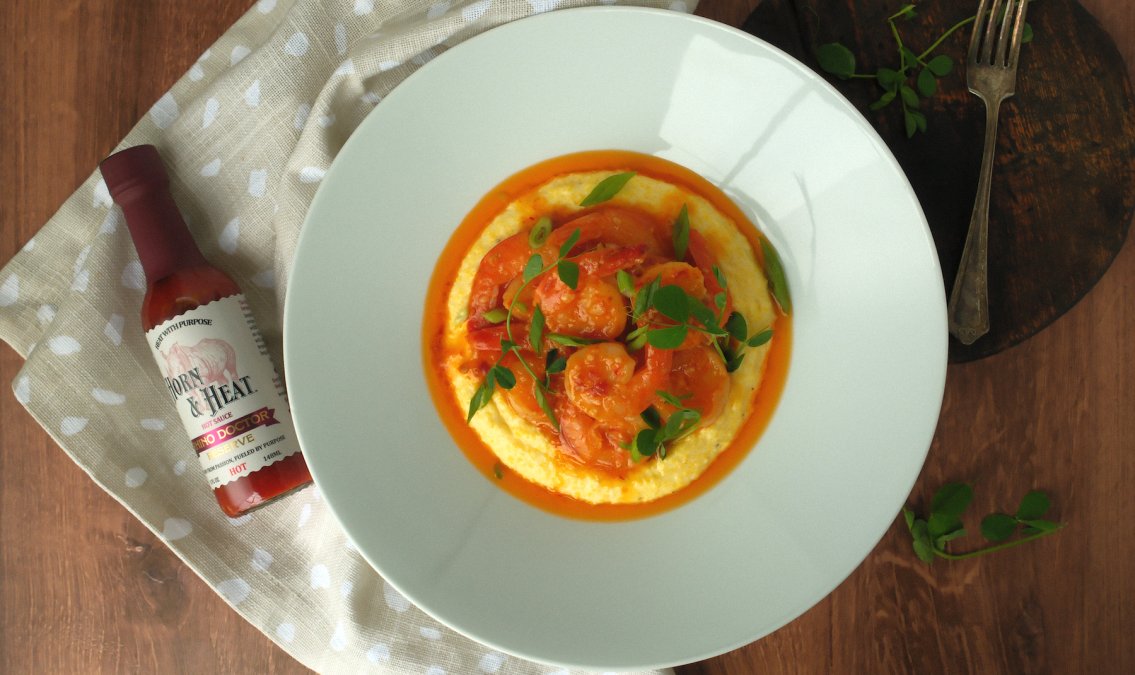
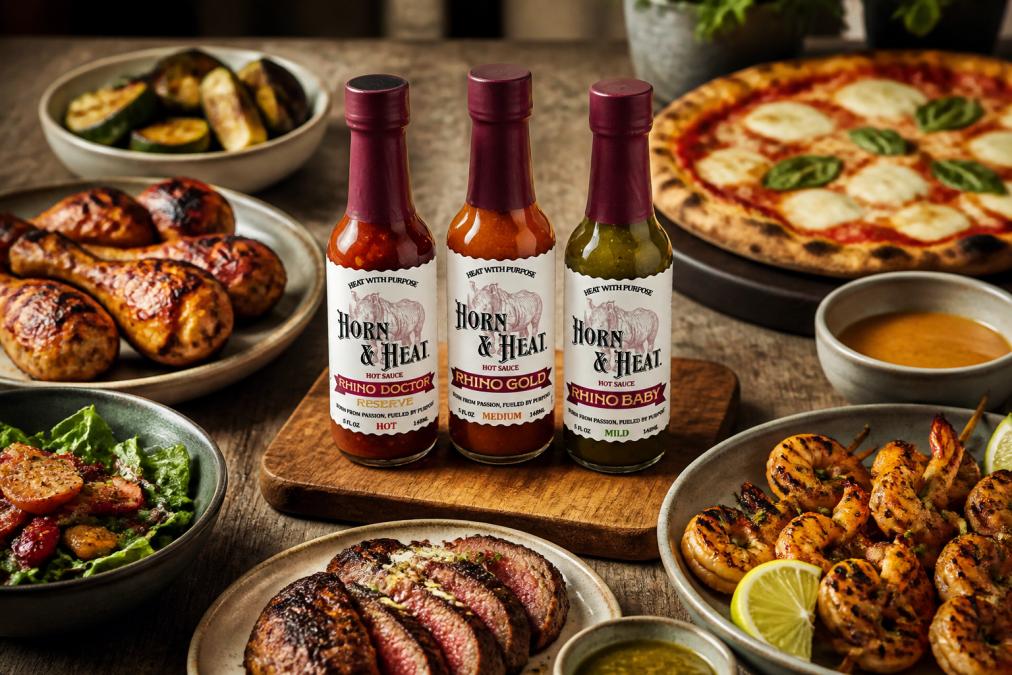
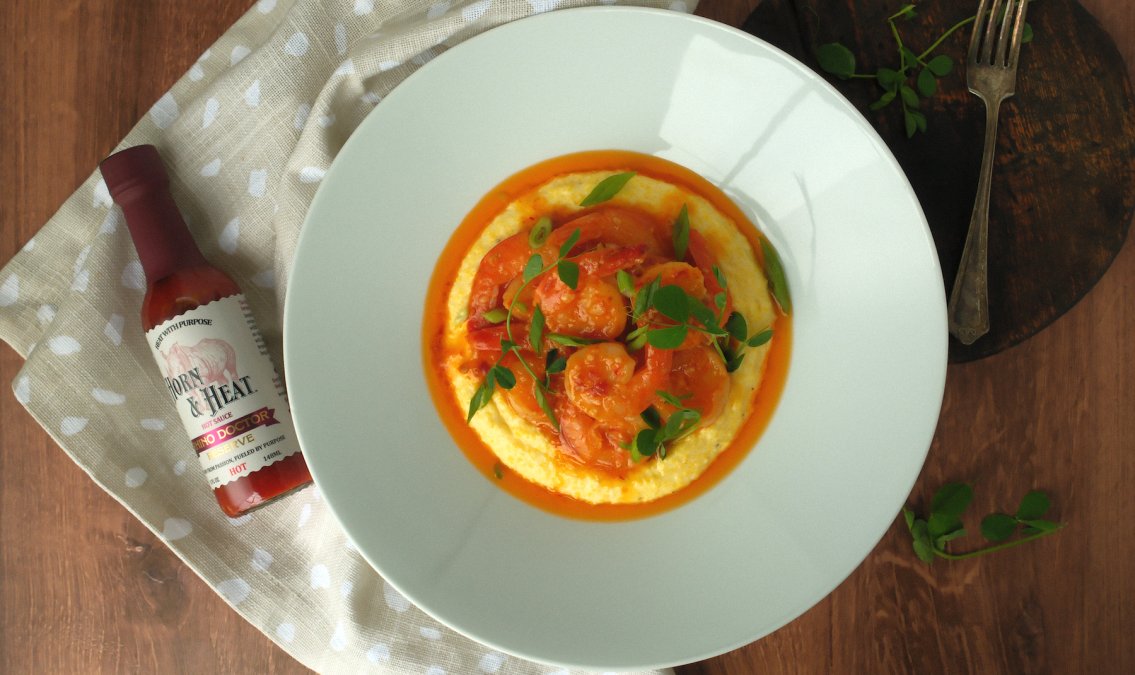
For chicken, try a sauce that balances sweet, smoky, and savory notes; a medium-heat sauce with a deep, roasted garlic base works across grilling, roasting, or pan-searing. For shrimp, a mild and bright sauce with gentle heat and a citrus-forward profile enhances the natural flavor without overpowering it. Turkey benefits from a bolder approach, where a sauce with complex, layered heat and a hint of sweetness can carry the meal. The Horn & Heat Hot Sauce Trio is built for this kind of exploration, offering a range from mild to hot so you can match the heat level to the protein and your palate.
How to Use Hot Sauce in Cooking Beyond the Bottle
Most cooks treat hot sauce as a finishing condiment, but its real potential is unlocked when it's used as a cooking ingredient. Using hot sauce during cooking allows the flavors to meld with the protein, creating a depth that a post-cook drizzle simply can't achieve. The key is understanding how temperature changes the sauce's behavior and how to deploy it at different stages of the cook.

The Temperature Rule: Cold, Warm, and Hot Applications
A practical framework for using hot sauce in cooking is to think about the temperature of the sauce relative to the protein.
- Cold Sauces (Finishing & Raw Applications): Sauces applied cold, like a vinaigrette or a yogurt-based drizzle, are best used on proteins that have been rested. The contrast between a warm, seared chicken breast and a cool, bright sauce creates a refreshing mouthfeel. Cold sauces are also ideal for proteins served cold, like shrimp in a salad.
- Warm Sauces (Marinades & Glazes): A sauce used as a marinade is doing its work at room temperature or in the fridge. The goal here is not just flavor, but also the physical tenderizing effect of the acid. A warm glaze, applied during the last few minutes of cooking, allows the sugars to caramelize against the heat of the pan or grill, creating a sticky, flavorful crust.
- Hot Sauces (Pan Sauces & Reductions): When a sauce is introduced to a hot pan, the heat changes its character. Volatile aromatic compounds are released, and the sauce reduces, concentrating its flavor. A hot sauce added to a deglazed pan will meld with the fond, creating a unified flavor profile that is more complex than the sum of its parts.
As a Marinade Base: The Acid and Oil Balance
Hot sauce makes an excellent marinade base because it brings both acid and flavor. Its acidity helps tenderize the meat, while the spices and seasonings infuse the protein. A common approach is to combine a few tablespoons of hot sauce with a neutral oil and an aromatic base, like minced garlic or shallots.
A common pattern is a 3:1 ratio of oil to acid (the hot sauce providing the acid) (peer-reviewed research). This mixture can coat chicken or shrimp for as little as 30 minutes or as long as overnight in the refrigerator.
For Pan Sauces and Deglazing: The Fond Connection
One of the most effective culinary techniques for lean proteins is the pan sauce. After searing your protein, a fond of browned bits remains in the pan. Deglazing the pan with a liquid, such as a wine reduction, broth, or even a splash of water, releases those bits and forms the base of a quick sauce. Adding a spoonful of hot sauce to this mixture builds a sauce with layers of flavor that tastes like it simmered for hours.
The heat of the pan causes the sugars and proteins in the fond to dissolve into the liquid. Adding a hot sauce at this stage, rather than at the end, allows its flavors to integrate with the fond, creating a unified sauce. This technique is a cornerstone of professional cooking and is surprisingly simple to replicate at home.
:::tip Temperature Check When using a hot sauce in a pan sauce, add it after the deglazing liquid has reduced by half. This allows the sauce to meld with the fond without the high heat destroying its more delicate aromatic notes. :::
Healthy Sauce Recipes for Protein Bowls
Protein bowls are a meal prep staple, but they often suffer from a lack of flavor. A well-made sauce elevates a bowl of grains, vegetables, and protein from repetitive to crave-worthy.
A simple approach is a yogurt-based sauce for a cool, tangy contrast to a warm bowl, or a vinaigrette-style sauce that doubles as a dressing for the grains and vegetables. For those who prefer a warm sauce, a quick pan sauce made with broth and a touch of hot sauce can be drizzled over the entire bowl. Focus on flavor enhancement through ingredients like fresh herbs, citrus zest, and a balanced hot sauce, rather than adding empty calories. The Rhino Nectar Piri Piri Hot Honey is a versatile ingredient here, adding a layer of sweet heat that works as a glaze for roasted vegetables or a finishing drizzle for a grain bowl.

Choosing the Best Hot Sauce for Meal Prep
When selecting a sauce for meal prep, think about how its flavor will hold up over a few days in the refrigerator. The best hot sauce for meal prep is versatile enough to work across multiple dishes and stable enough to maintain its flavor profile.
Consider the heat level carefully. A sauce that is too intense can become overwhelming when eaten repeatedly (the NIH). A mild to medium sauce, with a flavor that can be enhanced by adding a pinch of chili flakes if more heat is desired, is often a smarter choice for weekly prep. The Horn & Heat Starter Hot Sauce and Hot Honey Pack is designed for this purpose, providing a range of options so you can rotate flavors and avoid palate fatigue.
Sauce Storage and Shelf-Life for Weekly Prep
Understanding proper sauce storage is critical for a successful meal prep routine. Most homemade sauces, particularly those without preservatives, will last in an airtight container in the refrigerator for up to a week (the FDA). Sauces with a higher acid content, like those based on vinegar or citrus, tend to have a longer shelf life than cream-based sauces. Store sauces separately from your prepared meals and add them only when you're ready to eat.
Temperature-based pairing also matters. A cold, yogurt-based sauce is refreshing over a warm grain bowl, while a room-temperature or warm reduction sauce can be more comforting in a cooler meal. When prepping, portion sauces into small, separate containers. Always check for changes in smell or texture before using a sauce that has been stored for several days; when in doubt, make a fresh batch.
Build Flavor Without the Extra Calories
The most common objection to using sauces is the fear of added calories and fat. Many commercial sauces are thickened with butter, cream, or large amounts of sugar. The solution is to be intentional about the sauces you choose and make. A vinegar-based hot sauce delivers significant flavor for a minimal caloric cost.
The Macro-Conscious Sauce Profile
For the health-conscious cook, understanding the macro-nutrient profile of a sauce is as important as its flavor. Most gourmet hot sauces, particularly those that are vinegar-forward or fruit-based, are naturally low in fat and contain negligible carbohydrates. The primary variable to watch is sodium and added sugar.
When building a sauce at home, focus on concentrated sources of flavor. A small amount of a high-quality, chef-crafted sauce goes much further than a large amount of a diluted one. Ingredients like roasted garlic, fresh herbs, and a quality hot sauce provide intense flavor without the need for heavy fats.
Dietary Restriction Modifications: Dairy-Free and Vegan Options
Classic gourmet pairings often rely on butter, cream, or honey, which can be problematic for those avoiding dairy or following a vegan diet. The flavor principles remain the same, only the delivery vehicle changes.
- Dairy-Free Creaminess: Instead of a cream-based sauce, use a cashew cream or a silken tofu puree to achieve the same velvety texture. These alternatives take on the flavors of the sauce just as well as dairy, without the lactose. A dollop of coconut yogurt can also stand in for a traditional tzatziki, providing the same tangy, cool contrast to a warm protein.
- Vegan Sweetness: For a glaze that needs a touch of sweetness, maple syrup or agave nectar are excellent substitutes for honey. They caramelize similarly under high heat, providing the same sticky finish. A piri piri hot honey can be swapped for a chili-infused maple glaze to maintain the sweet-heat profile.
- Gluten-Free Thickening: Many sauces use flour or soy sauce as a thickener or flavor base. For a gluten-free pan sauce, use a cornstarch slurry (one part cornstarch to two parts cold water) or a gluten-free tamari instead of traditional soy sauce. This maintains the body of the sauce without the gluten.
The Flavor Density Principle
The most effective way to build flavor without calories is to focus on flavor density, choosing ingredients that deliver the most impact per gram. A single teaspoon of a fermented hot sauce, for example, contains more umami and complexity than a tablespoon of a diluted, sugar-laden barbecue sauce.
By understanding the macro profile of your sauces and making simple substitutions for dietary restrictions, you can create a sustainable meal plan that doesn't sacrifice taste for nutrition.
Frequently Asked Questions
What sauces are good for lean protein like chicken breast?
Look for sauces with a balanced flavor profile that includes acid, heat, and a touch of sweetness. A sauce with a vinegar or citrus base cuts through the mild flavor of chicken breast without adding many calories. For a versatile option, try a medium-heat sauce like Rhino Gold, which has a balanced profile that works as a marinade, finishing drizzle, or stir-fry addition.
How do you balance acidity and heat in a protein sauce?
The goal is to let the protein's flavor come through while the sauce adds complexity. Acidic sauces, often with vinegar or citrus, brighten the dish and work well with rich cooking methods. Heat should build gradually, not overwhelm. Pairing a slightly sweet element, like hot honey, with a vinegar-forward sauce can create a balanced coating that clings to seared meat.
What is a healthy sauce to use in a protein bowl?
A sauce made with simple, recognizable ingredients and no added sugars is a strong choice. Many hot sauces are naturally low in calories and sugar since they rely on chili peppers, vinegar, and spices for flavor. For meal prep, choose a sauce that is shelf-stable before opening and retains its flavor profile after being refrigerated, ensuring your bowls stay interesting through the week.
Can hot sauce be used as a marinade for lean meats?
Yes. Hot sauce works well as a marinade base because the vinegar and acid help tenderize the surface of the meat while the spices infuse flavor. Combine your chosen hot sauce with a small amount of oil and aromatics like garlic or herbs. Marinate chicken or shrimp for 30 minutes to an hour before cooking; longer times can break down the meat's texture.