
Using Hot Sauce as a Marinade for Grilled Meats
Table of Contents
- Why Hot Sauce Belongs in Your Marinade
- Building a Hot Sauce Marinade: Ratios and Balance
- Hot Sauce Marinade for Chicken
- Hot Sauce Steak Marinade for Sirloin Tips and Fajitas
- How Long to Marinate Meat in Hot Sauce
- Safe Handling of Meat Marinade
- Grilling Technique After Marinating
- Frequently Asked Questions
Last Updated: October 17, 2026
Why Hot Sauce Belongs in Your Marinade
Using hot sauce as a marinade for grilled meats is one of the fastest ways to build flavor before the meat ever touches the grates. Hot sauce brings acid, salt, and pepper depth in a single pour. That combination does real work on grilled meat.

The acid is the key. Vinegar-based sauces help brighten the surface of beef and chicken. The pepper solids add color and aroma. Salt carries flavor inward. This is why a good bottle of hot sauce can replace three separate pantry items.
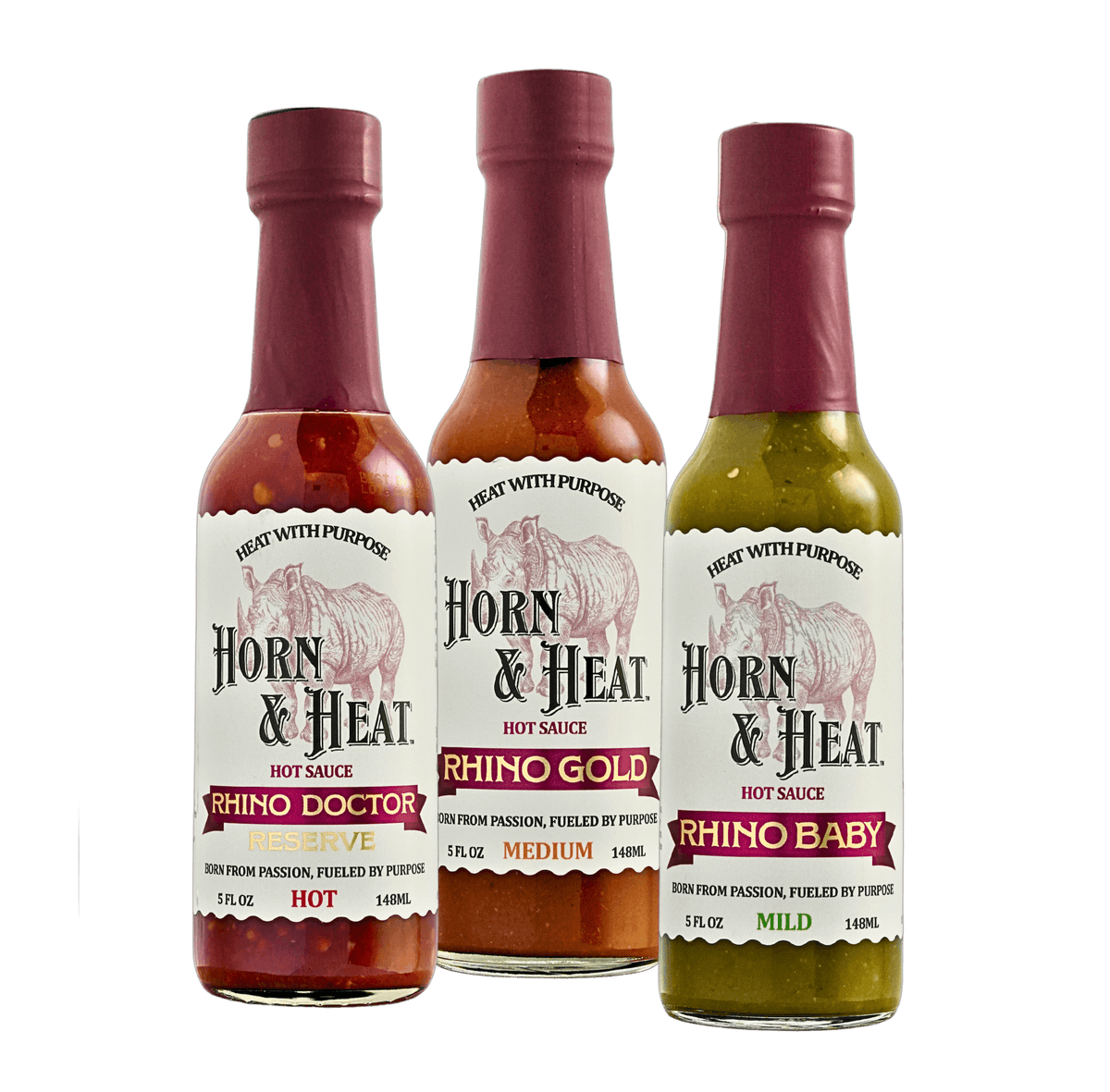
Horn & Heat builds its sauces for exactly this kind of cooking, not just for drizzling at the table. The line runs from mild to hot, so a marinade can stay balanced instead of turning into a heat test.
What most guides miss is that hot sauce is not a marinade on its own. It needs oil for coating and a little sweetness to round out the edges. Get that ratio right and the grill does the rest.
Building a Hot Sauce Marinade: Ratios and Balance
A hot sauce marinade works best when it follows a simple balance: acid, fat, salt, and sweetness. Hot sauce covers the acid and salt. Oil adds the fat. A touch of honey or sugar brings sweetness.
Think in parts, not cups. A common approach is roughly equal parts hot sauce and oil, with a small amount of sweetener to taste. From there, adjust for the sauce you are using. A vinegar-forward sauce needs a little more oil. A thicker, pepper-heavy sauce can take less.
Balance matters more than any single number. Too much acid and the outside of the meat turns tough. Too much sugar and the surface scorches before the inside cooks. Too much salt and the marinade overwhelms everything else.
A few ways to round out the bowl:
- Add minced garlic or onion for savory depth
- Stir in a spoon of mustard for body
- Use citrus juice for a brighter finish
- Keep the sweetener light so the pepper still shows
Rhino Gold Hot Sauce, a medium-heat option, suits this approach well because its flavor stays forward without drowning the meat. For a deeper, more complex base, Rhino Doctor Reserve Hot Sauce brings fermented chili depth that holds up on the grill.

Hot Sauce Marinade for Chicken
A hot sauce marinade for chicken is the easiest place to start, because chicken takes on flavor quickly and forgives a simple mix. Whisk hot sauce with oil, a little honey, and minced garlic. Coat the pieces, cover, and refrigerate.

Chicken benefits from a marinade that reaches the meat, not just the skin. If using skin-on pieces, loosen the skin slightly so the marinade can sit against the flesh. Boneless thighs and breasts absorb faster than bone-in cuts.
For a milder crowd, Rhino Baby Hot Sauce keeps the marinade fresh and bright without heavy heat. It blends jalapeños, tomatillos, and poblano peppers with lime juice and white wine vinegar, so the acid is already working in your favor.
A common mistake is over-salting. Hot sauce already carries salt, so taste the mix before adding more. Let the chicken sit covered in the fridge, then drain off the excess before grilling so the surface sears instead of steams.
Hot Sauce Steak Marinade for Sirloin Tips and Fajitas
A hot sauce steak marinade does its best work on sirloin tips and fajita cuts. These pieces are built for bold flavor and quick cooking. The marinade tenderizes the surface and seasons the meat all the way through.
Sirloin tips have a loose grain and plenty of surface area, so they soak up marinade fast. Fajita strips are thin, which means they need less time, not more. Coat them well, keep them cold, and do not let them sit so long that the acid starts to break down the texture.
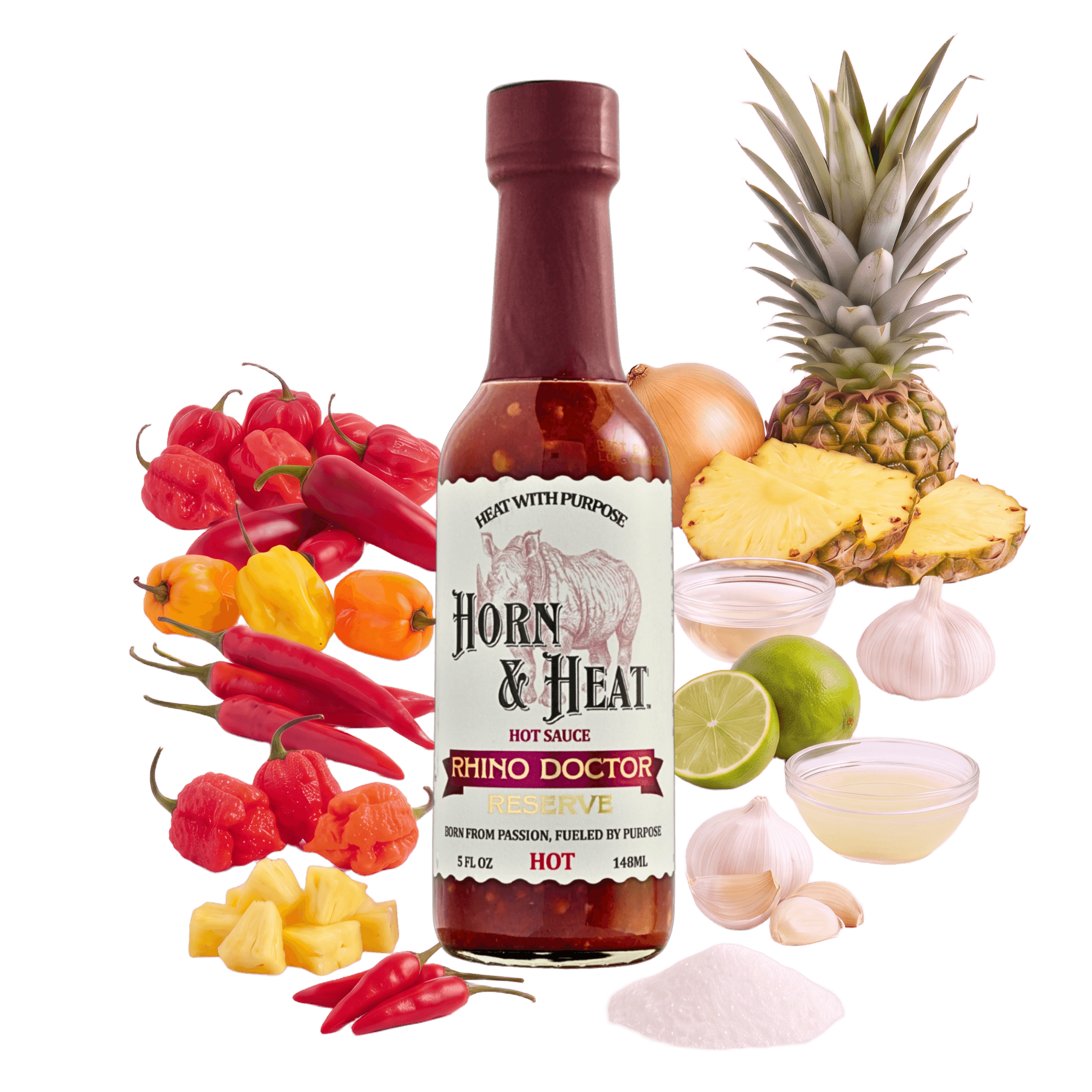
For steak, a pepper-forward sauce with real depth works best. Rhino Doctor Reserve Hot Sauce was built from a South African wildlife veterinarian's original recipe and layers eight fermented chilies, giving the marinade a rounded heat that stands up to beef. The finish is long and deliberate, which is what you want under a char.
Keep these points in mind:
- Pat the meat dry before grilling for a better sear
- Reserve a little fresh sauce for finishing, never the used marinade
- Slice sirloin tips against the grain after resting
The same marinade works for fajita vegetables, though they need far less time. Toss peppers and onions in a light coat just before they hit the heat.
How Long to Marinate Meat in Hot Sauce
How long to marinate meat in hot sauce depends on three things: the cut, the thickness, and how acidic your sauce is. Most general marinade guides give a single time range and move on. Hot sauce deserves more thought, because vinegar-forward sauces behave differently from thick, fermented pepper sauces, and the difference shows up in the texture of the finished meat.
The mechanism is straightforward. Acid denatures surface proteins, which is why a marinade can make the outside of a cut feel tender. Leave it too long and those proteins over-denature, and the surface turns chalky or mushy instead of tender. Salt draws moisture out and then carries seasoning back in, which is why a salty hot sauce seasons faster than a low-sodium one.
Here is a practical guide to marinating times by meat and cut:
Meat |
Cut |
Time in Fridge |
Notes |
|---|---|---|---|
Chicken |
Boneless breasts, thighs |
30 minutes to 2 hours |
Thighs tolerate the longer end; breasts dry out faster |
Chicken |
Bone-in pieces |
2 to 4 hours |
Score or loosen skin so marinade reaches the flesh |
Beef |
Sirloin tips, cubed |
1 to 4 hours |
Loose grain absorbs quickly; 2 hours is a good middle |
Beef |
Fajita strips |
30 minutes to 1 hour |
Thin cuts overshoot fast in vinegar-heavy sauces |
Beef |
Thick steaks |
2 to 4 hours |
Pat dry before searing for a clean crust |
Pork |
Chops, tenderloin |
1 to 4 hours |
Tenderloin is lean; keep it on the shorter side |
A few rules of thumb that hold across cuts:
- Vinegar-forward sauces move faster than fermented or fruit-based sauces. If your sauce tastes sharp on its own, cut the time by roughly a third.
- Thicker cuts can handle longer marinades because the acid has more distance to travel, but the surface still sets the limit.
- Sugar-heavy marinades should stay on the shorter end, since the sugar is what scorches first on a hot grate.
- When in doubt, pull the meat early and finish with fresh sauce at the table. You can always add flavor; you cannot undo a mushy surface.
Always marinate in the refrigerator, never on the counter. Keep the container covered and set it on the bottom shelf so nothing drips onto other food. If you are working with a sauce like Rhino Baby Hot Sauce, which already carries lime juice and white wine vinegar, treat it as a vinegar-forward marinade and lean toward the shorter end of the range.
Safe Handling of Meat Marinade
Safe handling of meat marinade comes down to one rule: marinade that touched raw meat is never a serving sauce. Once the meat goes in, that liquid is contaminated and must be handled like raw meat.
Follow these steps:
- Marinate in a covered glass or food-safe plastic container in the fridge
- Keep raw meat and its marinade away from ready-to-eat foods
- Use separate tongs for raw and cooked meat
- Never put cooked meat back on the plate that held the raw pieces
- Boil any used marinade for several minutes if you plan to serve it
- Wash hands, boards, and utensils with hot soapy water after contact
The USDA Food Safety and Inspection Service guidance on marinating is clear that marinades should stay refrigerated and that used marinade must be boiled before reuse. Cross-contamination is the real risk here, not the sauce itself. A clean setup protects everyone at the table.
Grilling Technique After Marinating
Grilling technique after marinating decides whether all that prep pays off. A hot sauce marinade introduces two problems a plain salt-and-oil marinade does not: sugar that scorches before the inside cooks, and oil that drips and flares.
Start by draining the meat and patting it lightly dry. Wet meat steams, and steamed meat does not brown. Patting dry also removes loose sugar and pepper solids that would burn on contact with the grate.
Set up two zones: high heat for searing and a cooler side for finishing. Sear the meat over the hot side to build grill marks and crust, then move it to the cooler zone to cook through.
Use a thermometer instead of guessing. The USDA safe minimum internal temperature chart lists the targets that matter most: poultry must reach a safe internal temperature, and whole cuts of beef cook differently than ground beef. Check the thickest part and let the meat rest before slicing.
A few technique notes that make a difference with hot sauce marinades:
- Oil the grates, not the meat, right before it goes on. Extra oil on the meat feeds flare-ups.
- Leave space between pieces so heat moves around them and sugar does not concentrate in one spot.
- Resist flipping more than once or twice. Each flip interrupts crust formation.
- Watch the first two minutes closely. That is when sugar-heavy marinades announce themselves, either as caramelization or as a bitter black edge.
- Finish with a fresh drizzle of sauce off the heat, not on it, so the sauce stays bright instead of cooking down.
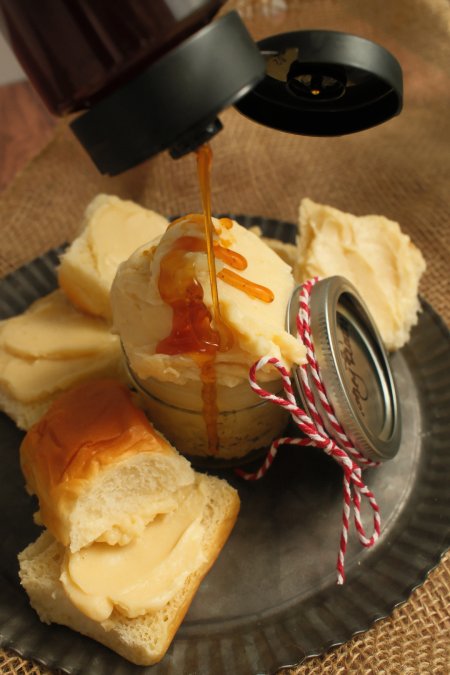
That last step is where a balanced sauce earns its keep. Rhino Nectar Piri Piri Hot Honey, made with wildflower honey and African Bird's Eye Pepper, brings sweet first and heat after.
Frequently Asked Questions
Can you use hot sauce as a marinade for meat?
Yes. Hot sauce works as a marinade because its vinegar and acidity help carry flavor into the meat, while its peppers and spices season the surface. The key is balance: combine hot sauce with oil, salt, and a little sweetness so the heat does not overpower the meat. A hot sauce marinade works especially well on chicken, steak tips, sirloin tips, and fajita vegetables, and it adds flavor before the meat ever hits the grill.
How long should meat marinate in hot sauce?
Timing depends on the meat. Chicken benefits from 2 to 4 hours in a hot sauce marinade, while steak and sirloin tips need only 30 minutes to 2 hours. Thin cuts and fajita strips marinate faster, often in 30 minutes. Longer is not always better, since high-acid marinades can change the texture of the surface. Keep everything refrigerated while it marinates and turn the meat once or twice so the sauce coats evenly.
Does hot sauce tenderize meat?
Hot sauce can help soften the surface of meat because vinegar is acidic, but it is not a substitute for proper cooking and slicing. Acid works gradually, and leaving meat in a high-acid hot sauce marinade too long can make the outside mushy. For steak and sirloin tips, rely on slicing against the grain and controlling grill temperature. A balanced hot sauce marinade adds flavor and moisture, but do not expect it to turn a tough cut into a tender one on its own.
Should you wipe marinade off meat before grilling?
Wiping off excess marinade helps prevent flare-ups and burnt sugars on the grill. Pat the meat lightly with paper towels so a thin layer remains for flavor, then grill over moderate heat. If your hot sauce marinade contains honey or brown sugar, watch the meat closely in the final minutes. Never reuse the marinade that touched raw meat as a sauce; boil it first or set aside a clean portion before marinating.