
How to Tone Down Spicy Piri Piri Sauce Fast
Table of Contents
- Why Piri Piri Sauce Runs Hot (and Why Diluting It Rarely Works)
- How to Make Piri Piri Sauce Less Spicy in the Bottle
- What to Add to Spicy Sauce Without Wrecking the Flavor
- How to Reduce Heat in Hot Sauce You Already Cooked With
- How to Fix Food That Is Too Spicy After the Fact
- Building a Milder Piri Piri Marinade for Chicken and Vegetables
- When to Reach for a Milder Bottle Instead of Fixing a Hot One
- Conclusion
- Frequently Asked Questions
Last Updated: October 12, 2026
Why Piri Piri Sauce Runs Hot (and Why Diluting It Rarely Works)
Piri piri sauce gets its fire from bird's eye chilies, and the heat spreads through the whole bottle over time. Adding water or broth thins the sauce without removing the burn.

Water carries capsaicin, the compound behind chili heat, straight to your taste buds without neutralizing anything.
This guide from Horn & Heat covers how to tone down spicy piri piri sauce in the bottle, how to tame a pot you already cooked with, and how to rescue a plate that went too far.
The fix usually comes down to fat, acid, or sweetness, not water.
How to Make Piri Piri Sauce Less Spicy in the Bottle
The fastest way to make bottled piri piri sauce less spicy is to add fat, acid, or sweetness directly to the jar. Fat coats the tongue, acid cuts through heat, and sugar rounds off sharp edges. Add a spoonful at a time, stir, and taste.
Here is a simple order to work through:
- Add a fat first, like olive oil or a spoon of yogurt
- Taste, then add a splash of acid if it still bites
- Finish with a small amount of honey or sugar if the edges feel harsh
That resting step matters: flavors settle in a few minutes, and the heat often reads softer after a short wait.
Dairy, Coconut Milk, and Other Creamy Additions
Creamy additions are the most reliable fix for a sauce that is too hot. Dairy contains casein, a protein that binds to capsaicin and pulls it away from your taste buds, which is why milk beats water.
Stir a spoonful of plain yogurt, sour cream, or heavy cream into the bottle or the dish.
Use these when you plan to serve the sauce soon. Creamy sauces do not keep as long as a vinegar-based bottle.
Acid, Sweetness, and Fat: What Each One Does to Heat
Each ingredient class does a different job, and knowing which to reach for saves you from guessing.
| Addition | What It Does | Best For | Watch Out For |
|---|---|---|---|
| Fat (olive oil, yogurt, cream) | Coats the tongue and blunts capsaicin | Creamy sauces, marinades | Changes texture and color |
| Acid (lemon juice, vinegar) | Cuts through heat and brightens flavor | Thin, vinegar-based sauces | Too much makes it sour |
| Sweetness (honey, sugar) | Rounds off harsh edges | Hot honey, glazes, dipping sauces | Can tip the sauce too sweet |
| Starch or bulk (tomato, pureed veg) | Spreads heat across more volume | Simmered dishes, larger batches | Dilutes flavor along with heat |
Fat gives the fastest relief, acid is best when the sauce tastes flat as well as hot, and sweetness works when the burn feels sharp rather than deep.
What to Add to Spicy Sauce Without Wrecking the Flavor
The best additions to a spicy sauce already belong in the flavor family.
Roasted red pepper puree adds body and sweetness while stretching the sauce across more servings; a spoon of tomato paste does something similar in cooked dishes.
Try these when you want to keep the profile intact:
- A squeeze of lemon juice and a pinch of lemon zest
- An extra clove of grated garlic
- A spoon of olive oil for a smoother finish
Avoid ingredients that fight the sauce. Balsamic vinegar, soy sauce, or heavy herbs like rosemary will pull piri piri in a different direction.
How to Reduce Heat in Hot Sauce You Already Cooked With
Once piri piri sauce is in the pan, learning how to tone down spicy piri piri sauce means you cannot pull the chilies back out. Add volume, fat, or a starchy base to spread the heat across more food: stir in cream, coconut milk, or butter, or add more of whatever liquid the dish already uses. In a stew or braise, extra vegetables or beans spread the same capsaicin across more bites.
Make-Ahead and Storage
If a dish will sit before serving, plan the heat level accordingly. Capsaicin does not fade, but the perception of heat softens as a dish cools and fat coats the tongue, so a stew that tastes fiery off the stove often reads milder 15 minutes later. Store leftovers in shallow containers, refrigerate within two hours, and reheat only the portion you plan to eat.
Food-Safety Notes for Sauce Handling
The USDA recommends keeping hot foods above 140°F and cold foods below 40°F to limit bacterial growth. Treat any sauce that has touched raw chicken or pork as contaminated. A simple habit: pour the sauce you plan to use into a small bowl before it touches raw food, then discard anything left in that bowl after marinating. When brushing sauce on the grill, use a clean brush or spoon, not the one that handled the raw marinade.
When to Start Over Instead of Fixing
Some dishes are past saving. If a sauce has reduced to a syrupy glaze and the heat is overwhelming, adding liquid thins the flavor along with the burn. It is often faster to start a fresh batch of the base and fold the too-hot version in as a small accent rather than the main component.
That approach works especially well for stir-fries, rice dishes, and grain bowls, where a spoonful of intense sauce can season a larger portion without dominating it.
How to Fix Food That Is Too Spicy After the Fact
Fixing a dish that is already too spicy comes down to serving strategy as much as cooking: change the dish, or change what sits next to it. Add a cooling element like plain yogurt, sour cream, or avocado, or a starchy side, since rice, bread, potatoes, and pasta absorb capsaicin and give your mouth a break between bites.
Here is a quick rescue order:
- Stir in a fat, such as cream, butter, or coconut milk
- Add a starchy ingredient if the dish allows it
- Serve with a cooling side like yogurt or avocado
One more thing: do not serve a too-hot dish straight from the stove. Heat often reads stronger when food is piping hot.
Building a Milder Piri Piri Marinade for Chicken and Vegetables
A milder piri piri marinade starts with the sauce you already have, softened with oil, acid, and a little sweetness, so it seasons the food without setting anyone's mouth on fire. Whisk together piri piri sauce, olive oil, lemon juice, and a spoon of honey, then taste it before it touches the food. If it still bites, add more oil or a spoon of yogurt.
Cutting Vegetables for Even Skewers
Uneven chunks are the top reason grilled vegetable skewers come off the grate with some pieces charred and others raw. Cut everything to a similar thickness, roughly one inch, so each piece finishes at the same time.
- Zucchini and yellow squash: slice into half-inch rounds or thick half-moons
- Bell peppers: cut into one-inch squares, seeds and ribs removed
- Red onion: cut into one-inch chunks, layers separated so they cook through
Thread firm vegetables and soft vegetables on separate skewers when you can. Tomatoes and mushrooms release moisture and cook faster than onion and pepper, so grouping them keeps the whole skewer on schedule.
Metal vs. Wooden Skewers
Metal skewers conduct heat into the center of each piece, speeding cooking slightly and helping dense vegetables like onion and potato cook through. They need no prep.
Wooden skewers are cheaper and more forgiving on delicate vegetables, but they scorch over a hot fire.
Either way, leave a small gap between pieces so heat circulates instead of steaming the vegetables.
Vegetable Grilling Times and Doneness Cues
Times vary with grate temperature, vegetable size, and distance from the coals. Use these as a starting guide over medium-high heat, and rely on visual cues more than the clock.
| Vegetable | Approximate Time | Doneness Cue |
|---|---|---|
| Bell peppers | 8-10 minutes | Skin blisters and softens, edges char lightly |
| Red onion | 10-12 minutes | Layers turn translucent and edges caramelize |
| Zucchini | 6-8 minutes | Tender with visible grill marks, no raw center |
| Mushrooms | 8-10 minutes | Shrink slightly and release their moisture |
| Cherry tomatoes | 4-6 minutes | Skin splits and softens, but holds shape |
Turn the skewers every two to three minutes so each side gets even contact. If a piece is browning faster than the rest, move the skewer to a cooler part of the grate.
Sauce Before, During, and After Grilling
How you handle the sauce matters as much as the marinade. A few rules keep the flavor clean and the food safe.
- Reserve a portion of fresh marinade before it ever touches raw food. That reserved batch is what you brush on during grilling and serve at the table.
- Never brush marinade that has touched raw chicken back onto cooked food. Cross-contamination is the risk, not the heat.
- Brush a thin layer on during the last few minutes of grilling so the sugars in the honey or sauce do not burn before the vegetables are done.
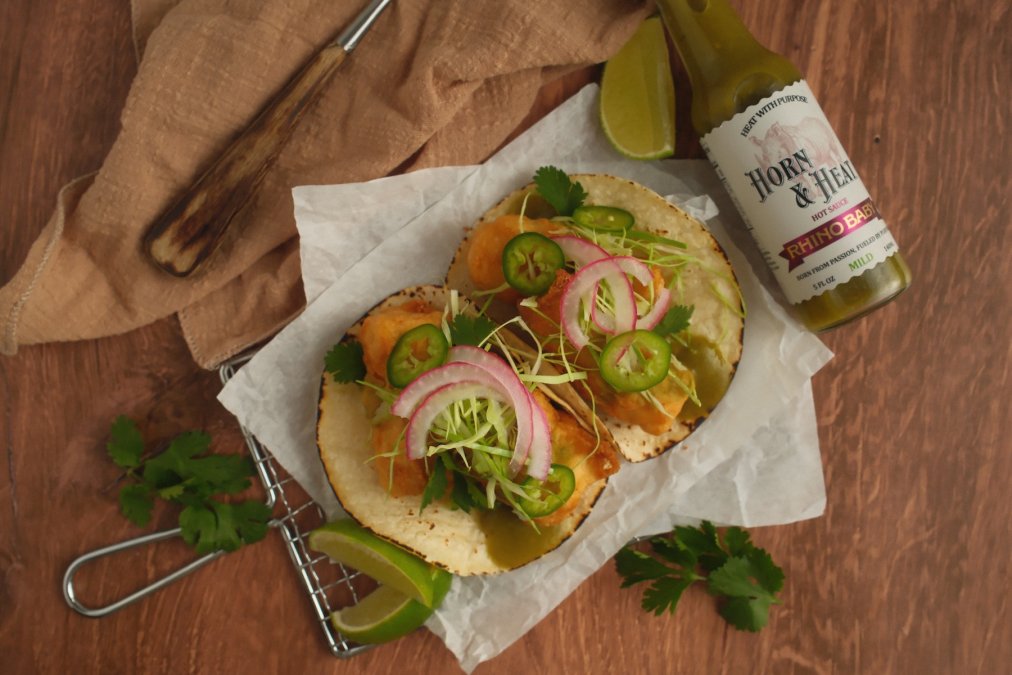
If you want a milder bottle to start from, Rhino Baby Mild Hot Sauce is built for exactly this. It blends jalapeños, tomatillos, and poblano peppers with lime juice, garlic, and a light touch of cumin, so it brings flavor without heavy heat.

When to Reach for a Milder Bottle Instead of Fixing a Hot One
Sometimes the smarter move is to skip the fix and pick a milder bottle from the start. For a group with mixed tolerance, starting mild and offering a hotter sauce on the side beats taming a bottle down every time. Rhino Baby covers the mild end, Rhino Gold sits in the middle, and Rhino Nectar Piri Piri Hot Honey brings wildflower honey and African bird's eye pepper together for a sweet-first, slow-building heat that works on grilled vegetables, chicken, and pizza.

Conclusion
Taming piri piri heat is about matching the sauce to the moment. Fat, acid, and sweetness each do a different job, and a milder bottle solves the problem before it starts.
Horn & Heat makes that easier with a full range of heat levels. Rhino Baby Mild Hot Sauce brings freshness and balance for everyday cooking, Rhino Gold Hot Sauce delivers medium heat for marinades and finishing, and Rhino Nectar Piri Piri Hot Honey adds a sweet, slow-building warmth to grilled vegetables and chicken.
Shop All at Horn & Heat and find the heat level that fits your table.
Frequently Asked Questions
How can I make piri piri sauce less spicy without losing flavor?
Add fat, acid, or sweetness rather than water. A spoonful of plain yogurt, coconut milk, or olive oil coats the palate and softens the burn, while a squeeze of lemon juice or a drizzle of honey rounds out the sharp edges. Add these in small amounts, taste after each addition, and stir well. Water thins the sauce and mutes the garlic, citrus, and pepper notes that make piri piri worth eating in the first place.
Does adding yogurt make piri piri sauce less spicy?
Yes. Dairy contains casein, a protein that binds to capsaicin and helps pull it off your taste buds. Full-fat plain Greek yogurt works best because the fat carries flavor and the thickness keeps the sauce from turning watery. Stir it in a tablespoon at a time, and expect the color to lighten. Use the yogurt-blended sauce within a few days and keep it refrigerated, since you have introduced a perishable ingredient.
Can I dilute piri piri sauce without making it bland?
Dilute with something that carries flavor, not water. Try crushed tomatoes, roasted red pepper puree, a splash of apple cider vinegar, or a spoon of mild hot honey. Each adds body and keeps the sauce tasting intentional. If you do use water, follow it with a pinch of salt, a squeeze of lemon, and a little olive oil to rebuild the balance. Taste after every addition so you stop before the sauce goes flat.
How do I fix a whole dish that turned out too spicy?
Double the non-spicy components rather than trying to remove the heat. If a pot of chili or a tray of grilled vegetables is too hot, add more beans, more roasted vegetables, or more rice and stir thoroughly. A spoonful of yogurt, sour cream, or coconut milk swirled in at the end also helps. Serve with plain rice, bread, or a dairy-based side so each bite gets diluted at the table.