
Spicy Grilling Techniques for Beginners: A 2026 Guide
Table of Contents
- Spicy Grilling Techniques for Beginners: Start With the Right Setup
- Grilling Tips for Beginners: Prep, Preheat, and Zone Your Grill
- How to Control Heat on a Grill With Two-Zone Cooking
- Spicy Grilling Marinade and Dry Rub Basics
- How to Grill With Hot Sauce: Timing, Glazing, and Finishing
- Spicy Grilling Beyond Chicken: Vegetables, Seafood, and More
- Troubleshooting and Balancing Heat on the Grill
- Frequently Asked Questions
Last Updated: October 13, 2026
Spicy Grilling Techniques for Beginners: Start With the Right Setup
Spicy grilling is the practice of building heat into food through rubs, marinades, glazes, and finishing sauces while keeping flavor balanced. This guide from Horn & Heat covers the setup, heat control, and timing that make it work.

Most beginners fail at one of two points. They either scorch the spices or they add heat too late, when the food is already off the grill.
The fix is simpler than it sounds.
A Simple Heat Scale for Spicy Grilling
Chili heat is measured on the Scoville scale, a rating system developed by pharmacist Wilbur Scoville in 1912. Bell peppers sit near zero. Jalapeños land in the low thousands. Cayenne and African Bird's Eye Pepper climb higher.
For beginners, the useful version is simpler:
- Mild: paprika, ancho, bell pepper
- Medium: jalapeño, chipotle, Aleppo
- Hot: cayenne, African Bird's Eye, habanero
Start at mild. Move up once the rest of the cook feels automatic.
Grilling Tips for Beginners: Prep, Preheat, and Zone Your Grill
The grill should be clean, hot, and oiled before any food touches it. Skip these steps and even a perfect rub will stick and tear.
Work through this order:
- Scrape the grates with a wire brush while cold
- Oil the grates with a folded paper towel and tongs
- Light the coals or burners
- Close the lid and preheat for 10 to 15 minutes
- Set up your zones before adding food
A clean, hot grate gives you grill marks and a clean release. A dirty one gives you stuck chicken and flare-ups.
How to Control Heat on a Grill With Two-Zone Cooking
Two-zone cooking means stacking coals on one side of the grill and leaving the other side empty. One side is the hot zone for searing. The other is the cool zone for finishing.
This is the single most useful skill for spicy grilling. Spices burn fast over direct flame. Moving food to the cool side lets it finish cooking without scorching the rub.

For a gas grill, turn one burner to high and leave the other off. Same idea, less setup.
Spicy Grilling Marinade and Dry Rub Basics
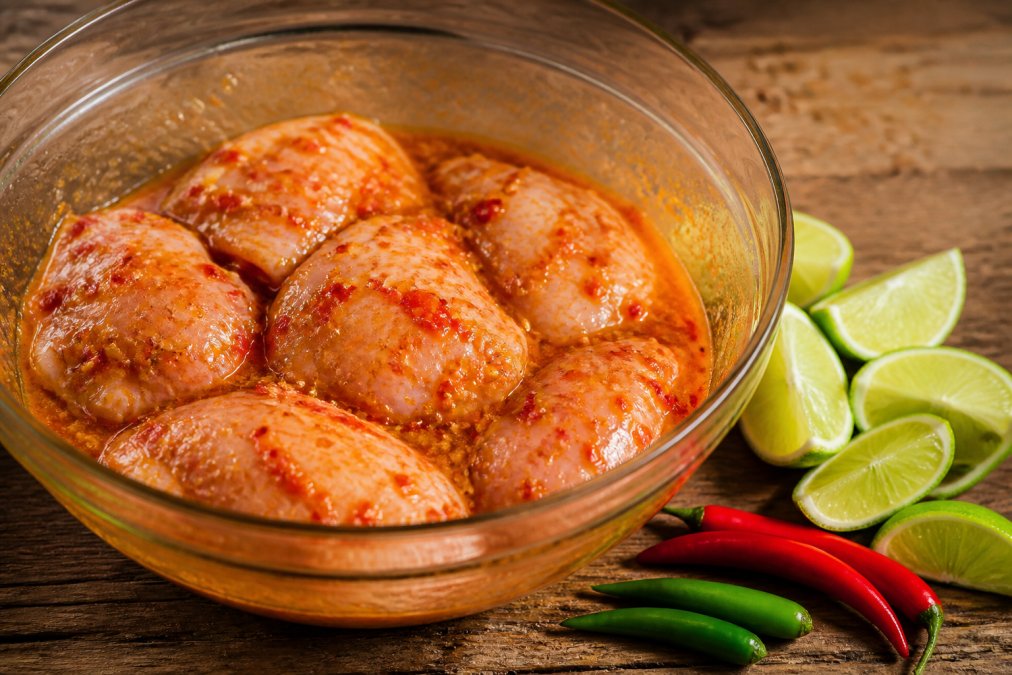
A dry rub is a blend of ground spices applied directly to the meat's surface before cooking. A marinade is a liquid mixture that food sits in, usually for 30 minutes to several hours.
Both add flavor. They behave differently on the grill.
Method |
When to Apply |
Best For |
Watch Out For |
|---|---|---|---|
Dry rub |
20-60 minutes before |
Chicken, pork, vegetables |
Sugar burning over high heat |
Wet marinade |
30 minutes to overnight |
Chicken, seafood, tofu |
Excess liquid steaming the food |
Glaze |
Last 5-10 minutes |
Wings, ribs, corn |
Burning if applied too early |
Salt first, then spices. Salt needs time to work into the meat. Spices sit on the surface.
How to Keep Spicy Rubs From Burning
Sugar and ground chili both scorch at high heat. The fix is timing, not avoidance.
- Apply rubs with sugar in them right before cooking, not hours ahead
- Sear over the hot zone first, then move to the cool zone
- Save wet glazes for the final minutes
- Pat meat dry before rubbing so the spices stick instead of sliding off
If the rub looks dark after two minutes, the heat is too high. Move the food.
How to Grill With Hot Sauce: Timing, Glazing, and Finishing
Hot sauce works at three points in the cook, and each one does something different.
As a marinade base: Mix it with oil and acid. The sauce carries flavor into the meat while the oil keeps it from drying out.
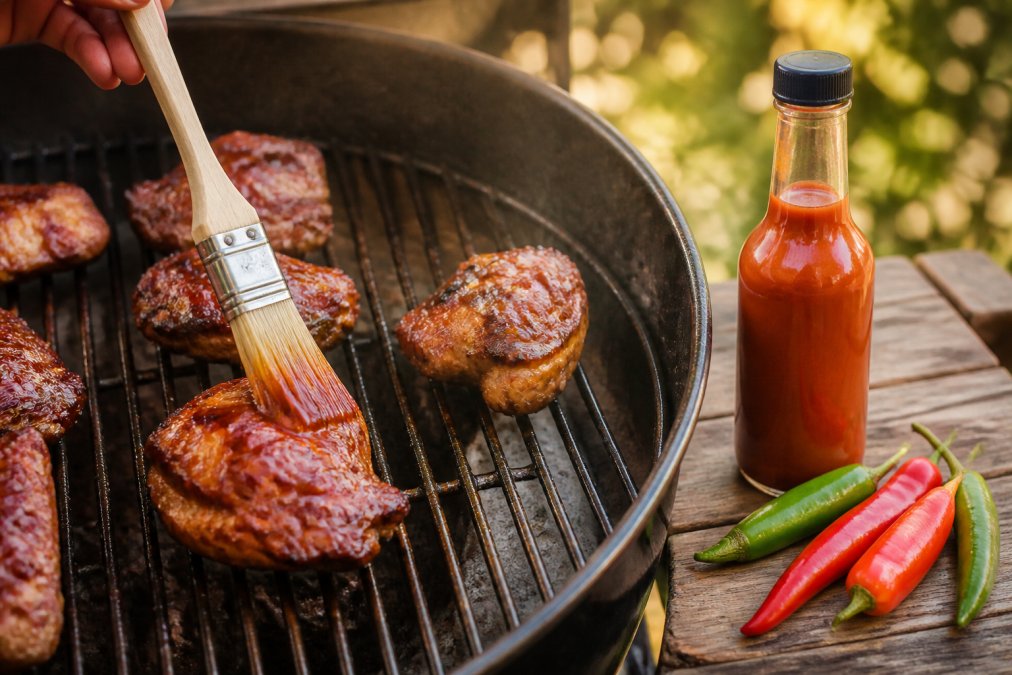
As a glaze: Brush it on in the last five to ten minutes. Sugar in the sauce caramelizes and forms a sticky coating.
As a finishing sauce: Add it after the food comes off the grill. This preserves the fresh heat and acidity that cooking destroys.
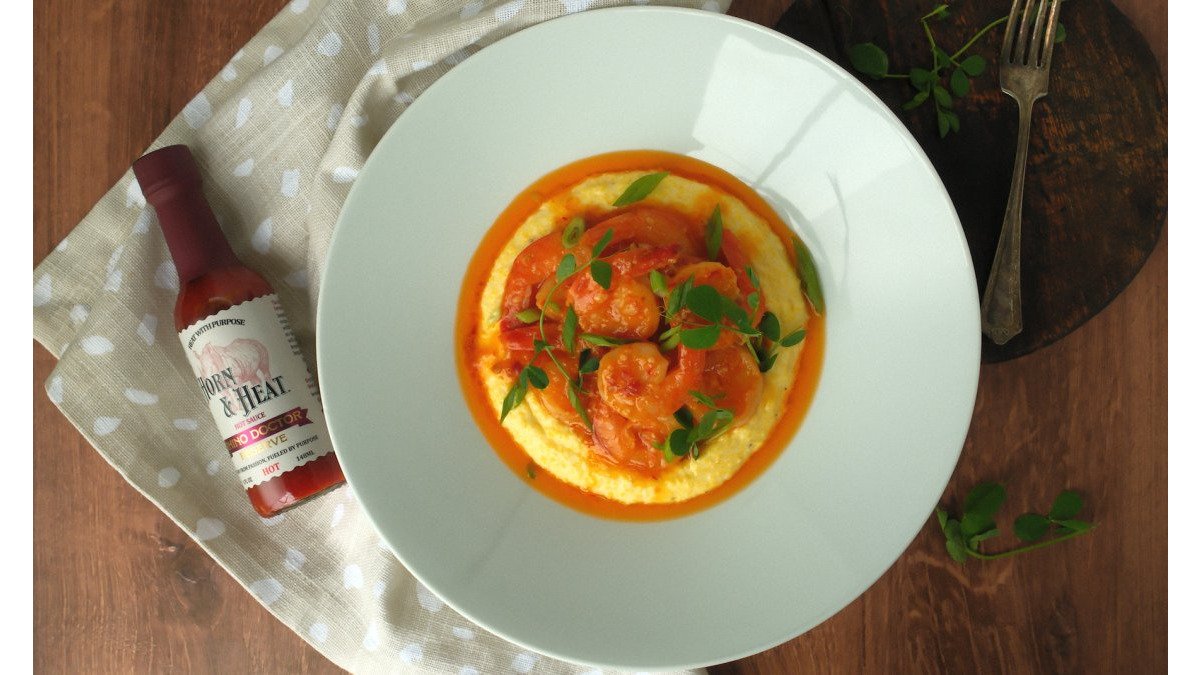
Horn & Heat sauces are built to work across all three stages, not just as a squeeze bottle at the table. Rhino Gold Hot Sauce, a medium-heat option, works well as a glaze on grilled chicken and vegetables. USDA guidance on safe minimum internal cooking temperatures is worth checking before you plan doneness for any protein.

For a sweet-and-spicy finish, Rhino Nectar Piri Piri Hot Honey brings floral honey sweetness up front with a slow-building heat behind it. Drizzle it over grilled corn, pizza, or fried chicken after the food leaves the grill.
Spicy Grilling Beyond Chicken: Vegetables, Seafood, and More
Chicken gets most of the attention, but the same techniques work across the grill. What changes is how much spice the food can take and how long it spends over heat. The shorter the cook, the less time a rub has to burn, and the more important it is to apply heat in a way the ingredient can absorb.
Vegetables
Vegetables have little fat and a lot of surface water, so they steam before they sear. Toss them in oil first, then season. Corn, peppers, zucchini, and onions all take a glaze well. Because vegetables cook fast and have no interior to penetrate, a dry rub mostly sits on the surface, a light dusting plus a finishing drizzle gives you more control than a heavy coating. Grill over medium heat and move pieces to the cool zone the moment the edges darken.
Seafood
Seafood cooks in minutes, which means less time for spice to burn but also less time for flavor to develop. A thin marinade or a paste applied just before grilling works better than a heavy rub. Grill hot and fast, and finish with a sauce after the food leaves the grill so the fresh heat and acidity survive. Delicate fish benefits from a lighter hand, heat should support the ingredient, not bury it.
Pork and Beef
These cuts have more fat and more mass, so rubs hold up better and can go on earlier. Larger roasts and thick steaks do well with two-zone cooking: sear over the hot zone, then finish on the cool side so the rub sets without scorching. Rest the meat before slicing so the juices redistribute.
Tofu and Plant Proteins
Tofu holds a lot of water, and water is the enemy of a good sear. Press it first, then marinate. A dry surface browns; a wet one steams. Because plant proteins are neutral, they take a heavier spice application than seafood or vegetables without tasting overwhelmed.
Doneness and Safe Handling Across Foods
An instant-read thermometer is the one tool that works for every protein on this list. The USDA publishes safe minimum internal cooking temperatures, and those numbers are the ones to plan around, not visual cues like color or firmness. Check the thickest part of the food, away from bone and fat.
A few habits keep the rest of the cook safe:
- Never baste with a marinade that touched raw meat. Set aside a clean portion before you start brushing.
- Keep raw and cooked foods on separate plates and use separate tongs where you can.
- Refrigerate marinades and any food waiting to hit the grill rather than leaving them at room temperature.
- Discard used marinade rather than reusing it as a sauce.
USDA guidance on safe minimum internal cooking temperatures
Troubleshooting and Balancing Heat on the Grill
Too much heat is easier to fix than too little. Dairy, acid, and sweetness all calm a dish down after the fact.
Problem |
Likely Cause |
Fix |
|---|---|---|
Rub tastes bitter |
Spices burned |
Lower heat, move to cool zone |
Food is spicy but flat |
No salt or acid |
Add salt, then a squeeze of lime |
Glaze slid off |
Applied too early |
Glaze in the last 5 minutes |
Heat hits all at once |
Sauce added at the table only |
Layer heat at three stages |
Chicken dry inside |
Cooked too long over direct heat |
Use two-zone and a thermometer |
An instant-read thermometer removes the guesswork. Cook chicken to a safe internal temperature and pull it right when it gets there.
Spicy grilling rewards patience more than heat tolerance. Get the setup right, control your zones, and layer flavor in stages instead of dumping it on at the end. Horn & Heat builds sauces for exactly that approach: chef-crafted flavor, balanced heat, and bottles meant to be cooked with, not just poured. The Rhino Gold Hot Sauce handles glazing and finishing, while the Horn & Heat Sweet Heat Bundle pairs a hot sauce of your choice with Rhino Nectar Piri Piri Hot Honey for a sweet-and-spicy finish. Shop All at https://hornandheat.com and start building heat you can actually taste.

Frequently Asked Questions
When should you add hot sauce to food on the grill?
Timing depends on the sauce. Sugar-based options like Rhino Nectar Piri Piri Hot Honey should go on in the last few minutes of cooking so the sugars glaze instead of scorch. Vinegar-forward sauces such as Rhino Gold can be brushed on earlier, and any hot sauce works as a finishing drizzle once the food rests. Keep a small bowl for finishing so you never dip a used brush back into the bottle.
How do you keep spicy grilled food flavorful without making it too hot?
Build heat in layers instead of dumping it all at once. Start with a mild base like Rhino Baby on the front end, add a medium sauce such as Rhino Gold during cooking, then finish with a hotter option for anyone who wants more. Pairing heat with sweetness, like a drizzle of Rhino Nectar Piri Piri Hot Honey, rounds out the burn so flavor leads and heat follows.
Should you use a marinade, dry rub, or finishing sauce for spicy grilling?
Use all three for different jobs. A spicy grilling marinade adds moisture and carries flavor into the meat before it hits the grates. A dry rub builds a seasoned crust and works best on a lightly oiled surface. A finishing sauce, whether a hot sauce or hot honey, goes on at the end so its flavor stays bright. Beginners can start with a rub plus a finishing sauce and add a marinade once the basics feel easy.
What foods are easiest for beginners to grill with spicy seasoning?
Chicken thighs, sausage, corn, bell peppers, and shrimp are forgiving choices because they give clear visual cues and handle spice well. Chicken thighs stay juicy over indirect heat, corn and peppers char quickly over direct heat, and shrimp cook in just a few minutes. Start with one protein and one vegetable per session so you can watch how each responds to your spice blend and grill setup.