
5 Ways to Incorporate Gourmet Sauces Into Salad Dressings
Last Updated: October 24, 2026
Quick Summary
Gourmet sauces salad dressings work by replacing part of your acid component in a vinaigrette or blending into creamy bases to add layered heat, balanced acidity, and complexity. Start with a base ratio of four parts oil to one part acid, then substitute a portion of the acid with gourmet sauce, adjusting based on the sauce's character and intensity.
- A traditional vinaigrette ratio of three parts oil to one part acid shifts when you introduce gourmet sauce as a partial acid replacement.
- Five methods for incorporating gourmet sauces include using sauce as the acid component, blending into creamy bases, finishing layers, mixing with vinegar and oil, and emulsifying into vinaigrette.
- Fat and creaminess soften perceived heat, while acidity and brightness redirect attention away from spice alone.
- Mild sauces pair with delicate greens, medium-heat sauces work with hearty salads, and bold sauces belong with strong ingredients like charred vegetables and aged cheeses.
- Always read sauce labels for sodium, sugar, and allergen content before blending, since these differences carry into the finished dressing.
Table of Contents
- Why Gourmet Sauces Transform Salad Dressings
- Understanding Salad Dressing Ratios With Sauce
- 5 Methods for Incorporating Gourmet Sauces Into Salad Dressings
- How to Balance Spicy Salad Dressing
- Creating Creamy Hot Sauce Dressing
- Hot Sauce Salad Dressing Pairing Guide
- Storage, Shelf Life, and Food Safety
- Start Building Your Signature Dressing
- Frequently Asked Questions
Why Gourmet Sauces Transform Salad Dressings
A quality salad dressing builds flavor, adds richness, and ties a dish together. Using gourmet sauces salad dressings opens a different approach entirely.
Gourmet sauces bring layered heat, balanced acidity, and complexity that standard dressings struggle to achieve, so the result tastes less like assembly and more like intention.
This guide covers five practical methods for incorporating gourmet sauces salad dressings, how to balance heat and acidity, and how to match sauces to greens and ingredients.
Understanding Salad Dressing Ratios With Sauce
The Base Formula
A traditional vinaigrette follows a simple ratio: three parts oil to one part acid. When you introduce a gourmet sauce, the math shifts because the sauce is not neutral; it arrives carrying acid, salt, sugar, and often some oil or fat of its own.
Treat the sauce as a partial replacement for your acid component, not a full substitute. Use two-thirds of your usual acid amount, then add gourmet sauce to reach the remaining third.
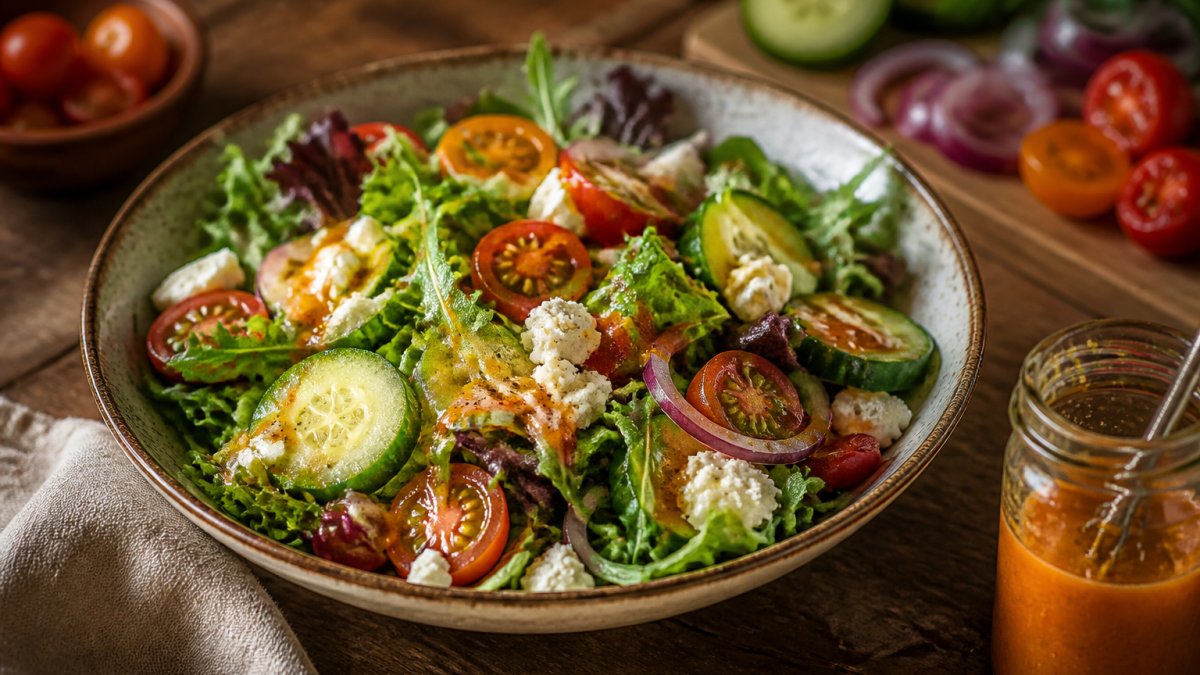
For a sauce-forward vinaigrette, start with 4 parts oil, 1 part acid, and 1 part sauce. For a sauce-accented vinaigrette, start with 4 parts oil, 1.5 parts acid, and 0.5 part sauce. Taste after whisking and adjust in small increments.
Sauce-to-Oil, Acid, and Liquid Ratios by Sauce Type
Different gourmet sauces behave differently in a dressing, so the ratio should follow the sauce's dominant character. The table below gives practical starting points for a vinaigrette-style dressing; adjust to taste.
Sauce character |
Oil |
Acid (vinegar or citrus) |
Sauce |
Liquid (water or buttermilk) |
Notes |
|---|---|---|---|---|---|
Thin, vinegar-forward hot sauce |
4 parts |
0.5 part |
1 part |
0 to 0.5 part |
Sauce already supplies acid; reduce vinegar |
Thick, salty fermented chili sauce |
4 parts |
1 part |
0.5 to 0.75 part |
0.5 part |
Thin with liquid to prevent clumping |
Sweet honey-based sauce |
4 parts |
1 part |
0.75 part |
0 to 0.5 part |
Reduce added sweetener elsewhere |
Oil-based pesto or herb sauce |
3 parts |
1 part |
1 part |
0 to 0.5 part |
Sauce contributes oil; cut back on added oil |
Nut or seed butter (tahini, peanut) |
3 parts |
1 part |
1 part |
1 to 2 parts |
Needs liquid to loosen; whisk vigorously |
Concentrated chili crisp |
4 parts |
1 part |
0.5 part |
0.5 part |
Sauce is mostly oil and solids; stir before measuring |
For creamy dressings, a common starting pattern is 1/2 cup creamy base, 1 to 2 tablespoons sauce, and 1 to 2 tablespoons liquid (buttermilk, water, or vinegar) to reach a pourable consistency. Start at the low end of the sauce range and add more after tasting.
Adjusting for Sauce Intensity
Not all gourmet sauces are equal. Heat level matters, but so do salt and sugar, which are easy to overlook when you are focused on spice.
A mild sauce like Rhino Baby brings freshness and brightness without overwhelming heat.

Bold, complex sauces with deep heat require the most care. Add them slowly. A tablespoon can shift an entire batch. Taste frequently.
A Quick Adjustment Checklist
When a dressing tastes off, the fix is usually a ratio problem. Work through these adjustments in order:
- Too salty: add more oil and a splash of unsalted liquid, or increase the acid slightly. Do not add more sauce.
- Too sweet: add acid (vinegar or citrus) and a pinch of salt. Reduce any added honey or syrup next time.
- Too thick or clumpy: add liquid one teaspoon at a time and whisk constantly. Thick sauces and nut butters often need more liquid than expected.
These adjustments are general guidance. For sauce-specific applications, the Horn & Heat recipes show how the brand's sauces are used in finished dishes.
5 Methods for Incorporating Gourmet Sauces Into Salad Dressings
Method 1: Sauce as the Acid Component
This is the most direct approach: replace part of your vinegar with the gourmet sauce. Start with extra-virgin olive oil, add the sauce as the acid, then whisk in salt, pepper, and other seasonings. It works best with sauces that have clear acidity, so the sauce carries the acid load and the dressing stays balanced.
Method 2: Sauce Blended Into Creamy Bases
Creamy dressings need an emulsion. Mayonnaise, sour cream, or Greek yogurt form the base; whisk it smooth, add the sauce slowly while whisking, and thin with buttermilk or water if needed. This method suits sauces with moderate heat, since the fat softens intensity while the sauce's flavor comes through.
Method 3: Sauce as a Finishing Layer
Layer the flavors instead of blending them fully. Build a standard vinaigrette, then drizzle the gourmet sauce on top just before serving. Toss gently so the sauce distributes but doesn't fully incorporate, and some bites will have more sauce than others.
Method 4: Sauce Mixed With Vinegar and Oil
Combine the sauce with vinegar and oil to dilute its intensity while keeping its flavor intact. Mix one part gourmet sauce, one part vinegar, and two parts oil, then whisk well and taste.

Method 5: Sauce Emulsified Into Vinaigrette
This method treats the sauce like an emulsifier. Whisk the sauce with vinegar first, then slowly add oil while whisking constantly. Many sauces contain ingredients that support emulsion, like garlic, mustard, or natural thickeners, so the result is a silky dressing that clings to greens better than a thin vinaigrette.
How to Balance Spicy Salad Dressing
Sweetness as a Counterbalance
Heat and sweetness are natural partners. A little sweetness doesn't mask the heat; it creates space for the spice to shine. A drizzle of raw honey or a teaspoon of maple syrup tempers intense heat, with sweetness arriving first and heat following. Rhino Nectar Piri Piri Hot Honey already brings this balance, so you can use it without adding extra honey.
Fat and Creaminess to Soften Heat
Fat coats the mouth and slows how quickly heat registers, so more fat means less perceived intensity. A creamy dressing with a gourmet sauce will taste milder than a vinaigrette with the same sauce, which is why Method 2 works so well for people who want flavor but not fire.
Acidity and Brightness
Acidity doesn't reduce heat, but it redirects attention. Bright citrus or vinegar makes the dressing feel fresher and less focused on spice alone. Add lemon or lime juice alongside the gourmet sauce, and fresh herbs like cilantro, basil, or parsley amplify the effect.
Creating Creamy Hot Sauce Dressing
Base Ingredients for Creaminess
Start with a neutral, creamy foundation. Greek yogurt is tangy and thick, sour cream adds richness, and mayonnaise creates the thickest result but can feel heavy. For every half cup of base, add one to two tablespoons of gourmet sauce and whisk until smooth, thinning with buttermilk, water, or vinegar if needed.
Texture and Consistency Tips
Creamy dressings thicken as they sit, so make them slightly looser than you want them to be. If your dressing is too thick, add liquid one teaspoon at a time, whisking after each addition. Aim for the consistency of heavy cream, which clings to greens better than a thick dressing.
Hot Sauce Salad Dressing Pairing Guide
Mild Sauces for Delicate Greens
Delicate greens like butter lettuce, baby spinach, and arugula need gentle dressings. Mild sauces like Rhino Baby add flavor without overwhelming tender leaves. Pair them with light ingredients such as fresh herbs, citrus, tender vegetables, and soft cheeses, and avoid heavy proteins or bold add-ins.
Medium-Heat Sauces for Hearty Salads
Hearty greens like romaine, kale, and mixed greens can handle more assertive flavors. Medium-heat sauces like Rhino Gold pair well with substantial ingredients such as roasted vegetables, grains, nuts, and proteins. A creamy medium-heat dressing works especially well here.
Bold Sauces for Strong Ingredients
Bold, complex sauces like Rhino Doctor Reserve belong with equally bold ingredients, such as charred vegetables, smoked meats, aged cheeses, and strong greens. These dressings also work as finishing sauces drizzled over a composed salad, and they pair well with warm salads or grain bowls, where the flavors integrate more naturally.
Storage, Shelf Life, and Food Safety
How Long Sauce-Based Dressings Keep
Homemade dressings with gourmet sauces need proper storage. Shake or whisk before each use, since oil and water naturally separate.
Label Reading Before You Blend
Gourmet sauces vary widely in sodium, sugar, and allergen content, and those differences carry into the dressing. Before you build a batch, read the label on the sauce you plan to use.
- Sodium: many prepared sauces are salt-forward. If the sauce is high in sodium, reduce or skip added salt and taste before seasoning.
- Sugar: honey-based and fruit-based sauces contribute sweetness. Account for that when adding honey, maple, or other sweeteners.
- Allergens: check for dairy, tree nuts, peanuts, soy, wheat, and sesame. Pesto often contains tree nuts and dairy; tahini is sesame; many Asian-style sauces contain soy and wheat.
If you are cooking for guests with allergies, keep the sauce label on hand. Substitutions change the flavor balance, so adjust the ratio after swapping.
Food Safety Basics
Food safety matters when working with homemade dressings. SDSU Extension guidance on safe salad dressing notes that dressings and sauces typically contain vinegar, which has varying amounts of acetic acid.
Once you blend gourmet sauces into a dressing with fresh ingredients, treat the dressing as perishable. Learn how to store artisanal sauces for maximum freshness to extend the life of your homemade dressings.
Start Building Your Signature Dressing
The five methods above are frameworks, not rigid rules. Sauce as acid is fastest, creamy bases are most forgiving, and finishing layers are most dramatic. Taste constantly as you build, since salt, heat, and acidity are easy to adjust before serving. Quality sauces like those from Rhino Gold Hot Sauce are designed to be used throughout cooking, not just as condiments, and they bring the flavor work that's already been done for you. Your job is to balance and blend them thoughtfully.
Frequently Asked Questions
What is the basic ratio for incorporating gourmet sauces into salad dressings?
Start with a foundation of 3 parts oil to 1 part acid (vinegar or citrus juice), then reduce the acid by 25-50% if your gourmet sauce contains vinegar or citrus. Add 1-2 tablespoons of sauce per 1/2 cup of dressing as your base, adjusting up or down depending on sauce intensity and your heat preference. Always taste and adjust—sauce strength varies by brand and type.
How do you balance a spicy salad dressing so the heat doesn't overpower the greens?
Layer your flavors: use fat (olive oil or cream) to coat your palate and soften heat, add sweetness through honey or fruit juice to counterbalance spice, and brighten with fresh citrus or vinegar for complexity. Start with half the sauce amount you think you need, then build up. A creamy base mellows heat more effectively than oil-only dressings.
Can you make a creamy hot sauce dressing, and how?
Yes. Blend gourmet sauce into a creamy base like Greek yogurt, sour cream, or mayonnaise (1-2 tablespoons sauce per 1/2 cup base), then thin with citrus juice or vinegar to reach your desired consistency. Whisk in fresh herbs, garlic, and a pinch of salt. Creamy dressings mask heat better than vinaigrettes while keeping all the flavor complexity.
How long does a homemade hot sauce salad dressing last in the refrigerator?
Always check for off odors or separation before use. Keep dressings in a cool part of your refrigerator, away from temperature fluctuations.
The best salad dressing is the one you'll actually make. If incorporating gourmet sauces into salad dressings feels like the right move, start simple. Pick one sauce. Try one method. Build from there. The versatility comes naturally once you understand the ratios and the balance points.