
How Can You Use Specialty Sauces to Enhance Vegetable Dishes?
Last Updated: October 25, 2026
Quick Summary
Specialty sauces vegetables deserve transform how vegetables taste by bringing together balanced heat, acid, and richness from the moment they hit the pan. Using specialty sauces to enhance vegetable dishes works because balance is the foundation, heat without flavor falls flat, acidity without richness tastes sharp, and when a sauce brings all three elements together, it makes vegetables taste like the best version of themselves.
- The global sauces, dressings, and condiments market reached $181.0 billion in 2025 and is projected to expand to $189.2 billion in 2026.
- Timing changes everything: sauce applied before roasting cooks into the vegetable, while sauce applied after roasting provides brightness and texture contrast.
- Vinegar-forward hot sauces can scorch on high heat, so apply them in the last ten minutes or after roasting.
- A glaze made by combining hot sauce with honey or maple syrup and brushing it on during the last few minutes of cooking creates intentional, finished flavor.
- Thin, vinegar-forward hot sauces start at 1 tablespoon per 3 tablespoons oil and 1 tablespoon acid in dressing applications.
Table of Contents
- Why Specialty Sauces Transform Vegetable Dishes
- Building Balance: The Foundation of Sauce Integration
- Sauces for Roasted Vegetables: Timing and Technique
- Hot Sauce on Vegetables: Beyond the Drizzle
- Creating Salad Dressing Flavor Combinations
- Ways to Use Hot Sauce in Cooking Vegetables
- Start Building Flavor Into Your Vegetable Cooking
- Frequently Asked Questions
Why Specialty Sauces Transform Vegetable Dishes
Vegetables are the foundation of good cooking, but foundation alone doesn't make a meal memorable. The difference between steamed broccoli and broccoli people want to eat comes down to flavor.
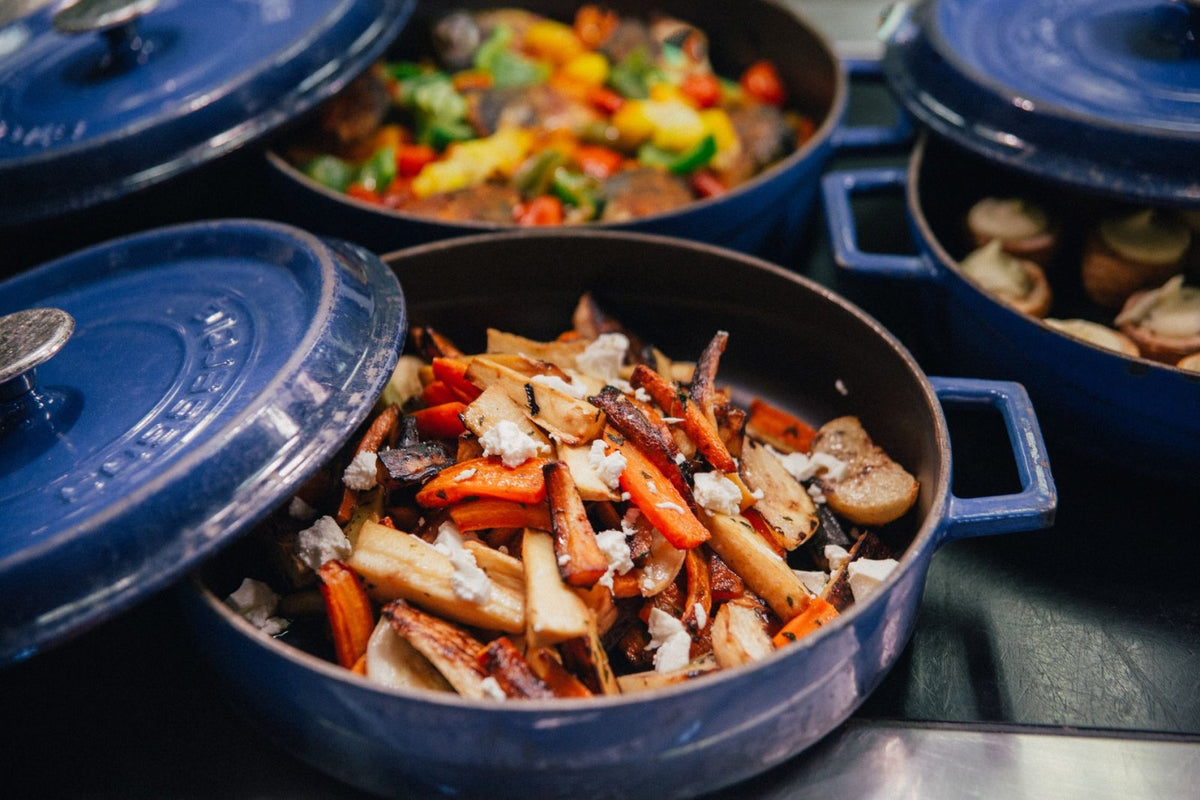
Specialty sauces vegetables deserve are not condiments you drizzle on at the end but ingredients that transform how vegetables taste from the moment they hit the pan. A balanced medium-heat blend can turn plain roasted carrots into something worth planning dinner around.
The sauces and dressings market continues to grow as home cooks recognize that specialty sauces vegetables deserve more than salt and oil. According to Grand View Research's 2026 market analysis, the global sauces, dressings, and condiments market reached $181.0 billion in 2025 and is projected to expand to $189.2 billion in 2026, with a 4.8% compound annual growth rate through 2033.
Using specialty sauces to enhance vegetable dishes works because balance is the foundation. Heat without flavor falls flat; acidity without richness tastes sharp and thin. When a sauce brings together spice, brightness, and depth, it makes vegetables taste like the best version of themselves.
Learn more about the benefits of using small batch cooking sauces that enhance vegetables.
Building Balance: The Foundation of Sauce Integration
Balance is the non-negotiable foundation when using specialty sauces to enhance vegetable dishes. Without it, heat overwhelms, acid stings, and salt dominates.
Three elements create this balance: heat from the peppers, acid from vinegar or citrus, and richness from oil, honey, or other fat-based components. In proportion, they support each other rather than compete.
A sauce that's all heat tastes one-dimensional; add acid and it becomes bright, add richness and it becomes complete. The best specialty sauces chase flavor that lasts, not extreme heat.
Balancing heat and acidity starts with tasting as you go.
Explore how to balance heat and acidity in gourmet cooking when integrating sauces into your vegetable work.
Sauces for Roasted Vegetables: Timing and Technique
Roasting concentrates vegetables' natural sugars and creates caramelization, a foundation specialty sauces build on rather than replace.
Timing changes everything. Sauce applied before roasting cooks into the vegetable; applied after, it sits on top with distinct brightness and texture. Both work; the choice depends on the result you want.
For integrated flavor, toss vegetables with sauce before they go into the oven.
For brightness and texture contrast, apply sauce after roasting, especially with heavier vegetables like Brussels sprouts or cauliflower, where acidity cuts through the caramelized richness.
Sauce type changes the technique:
- Vinegar-forward hot sauces thin out and penetrate during roasting; they can scorch on high heat, so apply them in the last ten minutes or after roasting.
- Sweet-heat sauces and honey blends caramelize fast and can burn; brush them on near the end of cooking and watch closely.
- Thick, tomato-based sauces need longer contact to meld; toss before roasting but keep the layer thin so they do not steam the vegetables.
- Oil-rich sauces such as pesto or chili crisp are best added after roasting so their fresh texture survives.
When roasting with sauce goes wrong, the fix is usually one variable:
- Sauce burning on the pan: the sugar or solids are hitting too much direct heat. Lower the oven temperature slightly, move the pan to a lower rack, or add the sauce later.
- Uneven coating: toss in a bowl rather than on the sheet pan so every piece gets contact, and use just enough sauce to coat without pooling.
- Vegetables steaming instead of browning: too much sauce trapped moisture. Use less, or roast uncovered on a preheated pan.
- Sauce pooling and drying out: thick sauces need a thin layer; spread vegetables in a single layer with space between pieces.
For a sauce that suits roasting, start with a single bottle from the full range of Horn & Heat hot sauces and learn how it behaves at your usual oven temperature before branching out.
Hot Sauce on Vegetables: Beyond the Drizzle
Hot sauce on vegetables means building flavor into the cooking process itself, a quality hot sauce becomes part of how vegetables develop taste, not an afterthought drizzle.
Think of hot sauce as a seasoning with depth. Salt makes food taste more like itself; hot sauce makes food taste more interesting.
Choose the right heat level for your palate and your dish. A mild sauce like Rhino Baby works on delicate vegetables like zucchini or fresh greens, adding flavor without intimidating.
Application method matters.
One technique works across nearly all vegetables: a glaze. Combine hot sauce with a touch of honey or maple syrup and brush it on during the last few minutes of cooking.
Discover creative techniques for using hot sauce in marinades applied to vegetables.
Creating Salad Dressing Flavor Combinations
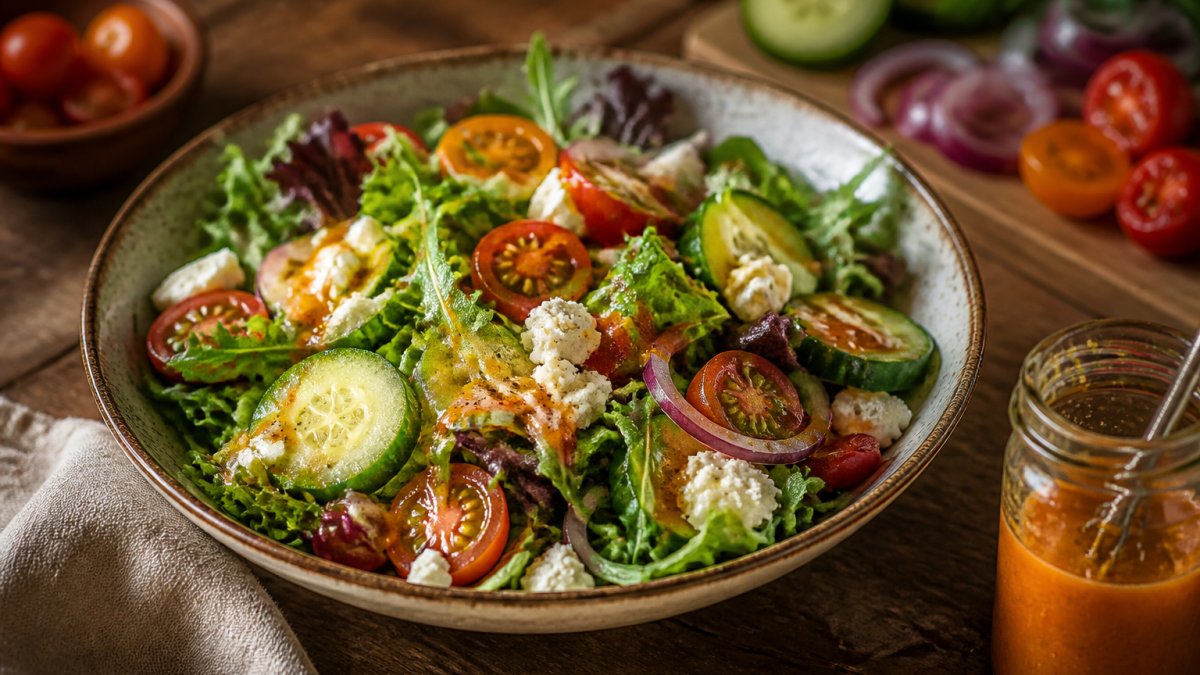
Salad dressing is where specialty sauces earn their place in the kitchen.
Start with the base: oil and acid. Extra-virgin olive oil brings richness, vinegar or citrus juice brightness.
The part most dressing guides skip is where the sauce fits into that ratio. Prepared specialty sauces are not neutral, they carry their own salt, sugar, acid, and fat. A practical starting framework:
- Thin, vinegar-forward hot sauces: start with 1 tablespoon per 3 tablespoons oil and 1 tablespoon acid. The sauce largely replaces part of the acid, so reduce the vinegar or citrus slightly on the first pass.
- Thick, tomato- or pepper-based sauces: start with 1 tablespoon per 4 tablespoons oil and 1 tablespoon acid, then thin with a teaspoon of water if the dressing clumps.
- Sweet-heat sauces and honey-based blends: start with 2 teaspoons per 3 tablespoons oil and 1 tablespoon acid. The sugar carries flavor but also thickens, so taste before adding more.
- Oil-rich sauces such as pesto or chili crisp: treat the sauce's oil as part of the oil total. If a sauce is visibly oily, cut back the added oil by roughly the same volume.
These are starting points, not formulas. Taste after whisking, then adjust one variable at a time: acid for brightness, oil for richness, sauce for depth.
Sauce-specific pairing guidance helps more than any single ratio:
- Pesto leans herbal and nutty; it suits sturdy greens like kale and romaine and pairs with a squeeze of lemon rather than vinegar.
- Harissa brings smoky chili and warm spice; it stands up to roasted root vegetables and chickpeas and works with red wine vinegar.
- Tahini is nutty and thick; it needs more acid and a splash of water to loosen, and it coats bitter greens well.
- Chili crisp adds crunch and toasted oil; whisk a spoonful into a plain vinaigrette at the end so the texture survives.
- Barbecue sauce is sweet and smoky; use it sparingly with lime juice and a neutral oil so it does not overwhelm delicate greens.
Whisk the acid and any watery components first, add the specialty sauce and mustard, then slowly whisk in the oil. This order creates an emulsion that coats greens more evenly.
Texture should feel like heavy cream, thick enough to cling, thin enough to toss evenly.
For a sauce-first approach, browse the full range of Horn & Heat hot sauces and start with a single bottle so you can learn how it behaves in a dressing before adding others.
Ways to Use Hot Sauce in Cooking Vegetables
Hot sauce in cooking vegetables goes far beyond salads and roasted sides.
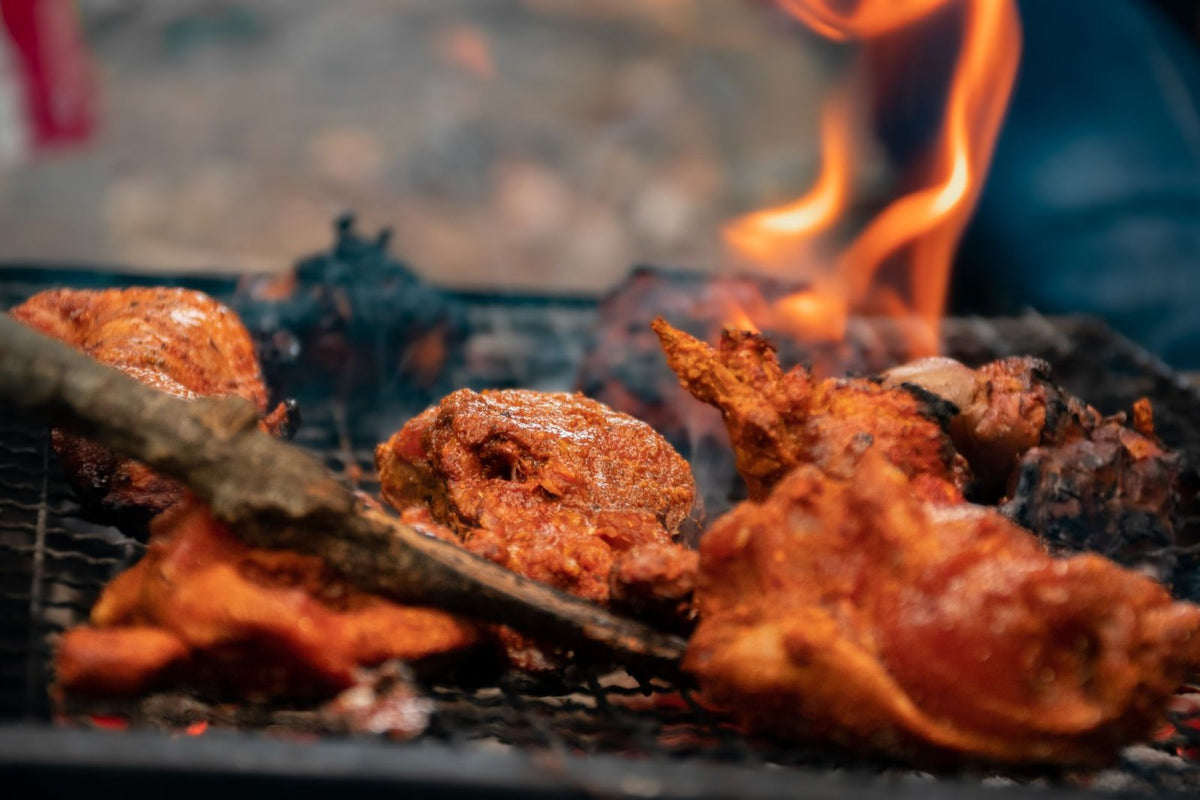
Grilling opens up possibilities. Brush hot sauce onto vegetables before grilling; direct heat intensifies its flavors and the peppers' natural sugars caramelize slightly, yielding char and complexity.
Pan-searing creates another opportunity.
Stir-frying with hot sauce brings Asian-inspired flavor to vegetables. Add it near the end of cooking so it coats everything evenly; quick cooking preserves its brightness while distributing flavor.
Steaming vegetables and tossing them with a hot sauce-based dressing is a gentler approach. Mild cooking preserves natural texture while the sauce adds flavor without high-heat intensity.
Soups and stews benefit from hot sauce's depth.
Raw vegetables with hot sauce-based dips make a simple appetizer or snack.
Hot sauce works across multiple cooking methods, each bringing out different flavors and textures in vegetables.
Cooking Method |
Best For |
Application Timing |
|---|---|---|
Grilling |
Peppers, zucchini, eggplant |
Brush before grilling |
Pan-searing |
Most vegetables |
Add in last minute of cooking |
Stir-frying |
Broccoli, snap peas, bell peppers |
Add near end of cooking |
Steaming |
Green beans, asparagus |
Toss with sauce-based dressing after |
Soups and stews |
Vegetable broths |
Add small amounts during cooking |
Raw with dips |
Any raw vegetables |
Mix hot sauce with sour cream or yogurt |
Start Building Flavor Into Your Vegetable Cooking
The shift from thinking of vegetables as sides to thinking of them as vehicles for flavor changes how you approach cooking, the difference between eating your vegetables and wanting them.
Using specialty sauces to enhance vegetable dishes isn't complicated. It starts with choosing a sauce that matches your palate and your vegetables. A mild sauce opens doors for people who find heat intimidating.
Rhino Baby Hot Sauce works beautifully for home cooks seeking balanced flavor without heavy heat. Rhino Gold Hot Sauce brings medium-heat complexity to strong vegetables.
The mission behind these sauces matters too.
Browse the full range of Horn & Heat hot sauces to choose products that match your vegetable cooking goals.
Frequently Asked Questions
How do you balance specialty sauces so vegetables don't become too salty or acidic?
Start with a small amount of sauce and taste as you go. If your sauce is acidic, pair it with rich ingredients like olive oil or roasted nuts to round out the profile. For salt balance, avoid adding extra salt to the dish itself until you've incorporated the sauce. Most specialty sauces are designed with flavor depth, so a little goes a long way. Begin with one-quarter to one-half teaspoon per serving and adjust based on the sauce's intensity and your vegetable base.
Can you use hot sauce on vegetables while cooking, or should you add it after?
Both work, depending on your goal. Add hot sauce early if you want the flavors to meld and deepen during cooking, especially for roasted or braised vegetables. Add it at the end if you want to preserve bright, fresh heat and flavor definition. For raw vegetables like salads, always add sauce just before serving to maintain texture and prevent wilting. Experiment with timing based on whether you want integrated flavor or a pronounced sauce presence.
What makes specialty sauces better than basic condiments for vegetable dishes?
Specialty sauces like those from Horn & Heat are crafted with balanced flavor profiles that go beyond simple heat or vinegar. They layer spice, depth, and complexity that elevates vegetables from plain to memorable. A well-made sauce brings acidity, richness, and aromatic notes that complement rather than overpower vegetables. They're designed for cooking use, not just finishing, so they integrate into dishes rather than sitting on top as an afterthought.
How do you choose which sauce to pair with different vegetables?
Match sauce intensity to vegetable delicacy. Mild sauces work well with tender vegetables like zucchini, asparagus, and leafy greens. Medium-heat sauces complement heartier vegetables like root vegetables, Brussels sprouts, and cauliflower. Consider flavor bridges: if your sauce has citrus notes, pair it with vegetables that benefit from brightness like tomatoes or peppers. Creamy vegetables like avocado pair well with sauces that have heat and acid. Start by matching heat level to your palate, then adjust based on the vegetable's natural flavor intensity.
Specialty sauces transform vegetables from obligation to excitement. The key is understanding balance, choosing the right sauce for your palate, and experimenting with timing and technique. Horn & Heat's chef-crafted sauces are built for this work, with balanced heat and flavor that enhance rather than overwhelm. Start with a sauce that matches your comfort level, apply it with intention, and watch how your vegetable cooking evolves.